
 4 min read
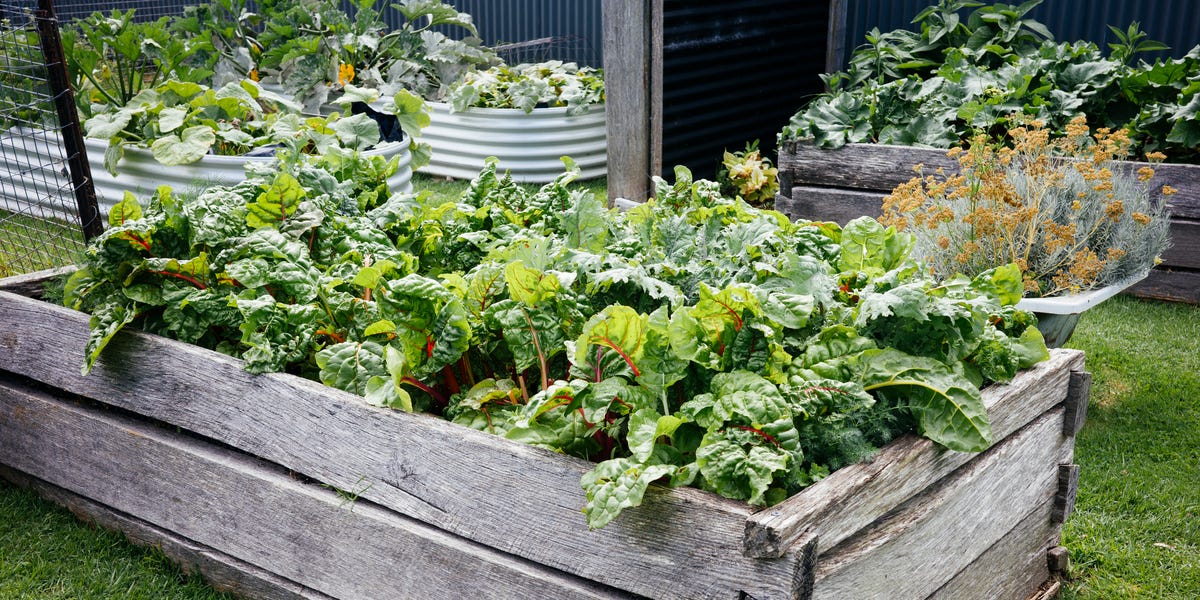
With cold temperatures, harsh winds, and shorter days, the winter season can take a toll on garden beds. Since most perennial plants go dormant during winter, their roots might be alive and well, but their leaves and stems can look barren, rundown, and dead. Couple that with all the wear and tear your perennials have had to weather throughout the years, and you’re left with depleted soil and fragile frames.
Luckily, as winter starts winding down and spring comes into view, there are a few things you can do to get your beds ready for planting season. While the shift from late winter to early spring might feel like an awkward in-between for gardeners, it’s actually the perfect time to wake your garden back up. Cleaning your garden beds now will prevent pest infestations, strengthen the health of your soil, and make springtime planting so much easier.
So, before you get your hands dirty, follow these 10 simple tips for prepping your garden beds ahead of planting season. With a little reset, your beds will be blooming bright again in no time.
Viktoriya Dikareva//Getty Images
Clear Out Dead Plants and Debris
To prep your garden beds for spring, the first cleaning task involves tackling any dead growth and unwanted debris. Pull out leftover annuals from the previous growing season, cut off dead perennial stems, and clear out broken branches and fallen leaves that have accumulated over winter. Removing these old remnants will limit the spread of pests and diseases while boosting airflow and improving sun exposure. Just make sure you don’t add any diseased bits to the compost pile!
Remove Early Weeds
Next up on your checklist of spring garden prep? Clearing out early weeds. Since weeds tend to get a head start in early spring and often spread rapidly once the temperatures are consistently warm, removing them now will save you a lot of hard work later on—and will give your crops and flowers more room to grow once planting season begins. Use a hand weeder or a small garden fork to pull weeds by the roots before they become established.
Check for Winter Damage
The winter often brings freezing temperatures, heavy snow, and strong winds that can do a good amount of damage to your garden beds. Before you start planting, look for signs of wear and tear like warped or rotten boards, loose screws, collapsed edges, or worn soil. By repairing the structure now, you’ll give your garden the support it needs to grow strong and healthy plants later in the season.
Look for Overwintering Pests
To escape the harsh winter weather, some insects spend the season hiding out in garden beds, especially under leaves, plant stems, and other debris. So, as you clean your beds before spring gardening season, be on the lookout for pest eggs, larvae, or clusters of insects that have taken over your garden, which can lead to a full infestation later on. For heavily infested growth, discard the plant material in yard waste, not your compost bin.
vgajic//Getty Images
Loosen Compacted Soil
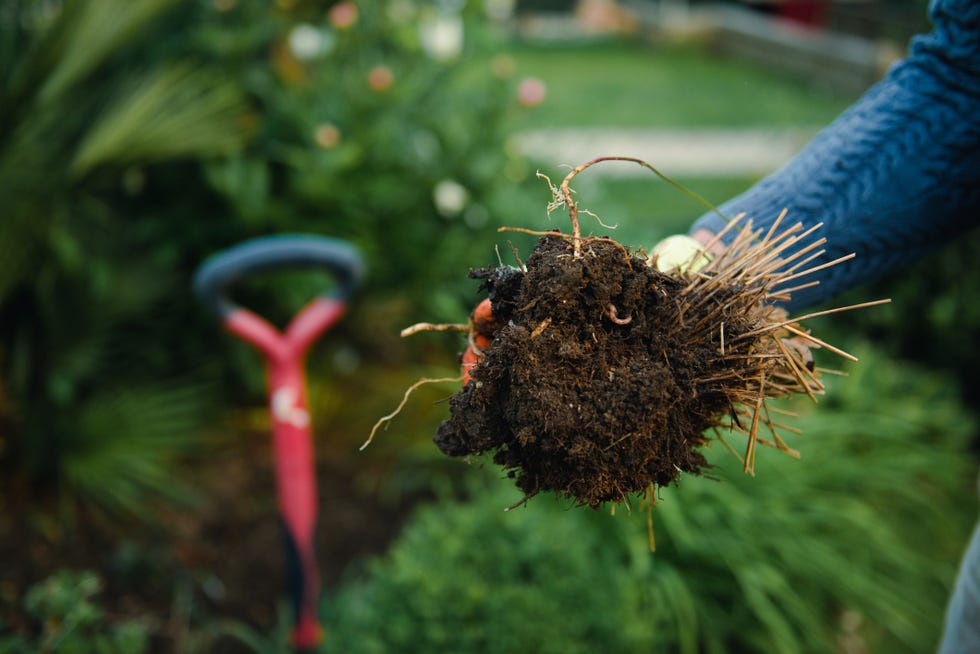
In the winter, rain and snow can compact the soil, which restricts airflow, causes drainage problems, and makes it harder for roots to grow. To tackle this issue, loosen the top few inches of soil with a garden fork or hand cultivator. Just be sure to avoid turning the soil too deeply or you could damage the soil structure!
Test Your Soil Before Planting
Another important step to check off your list before gardening season arrives is testing your soil. With a simple soil test, you’ll learn your soil’s pH level and nutrient balance, so you can give it exactly what it needs to grow a flourishing spring garden. You can easily grab a test kit from many garden centers, but for a more detailed analysis, just send a soil sample to a local extension service.
Add Compost or Fresh Soil
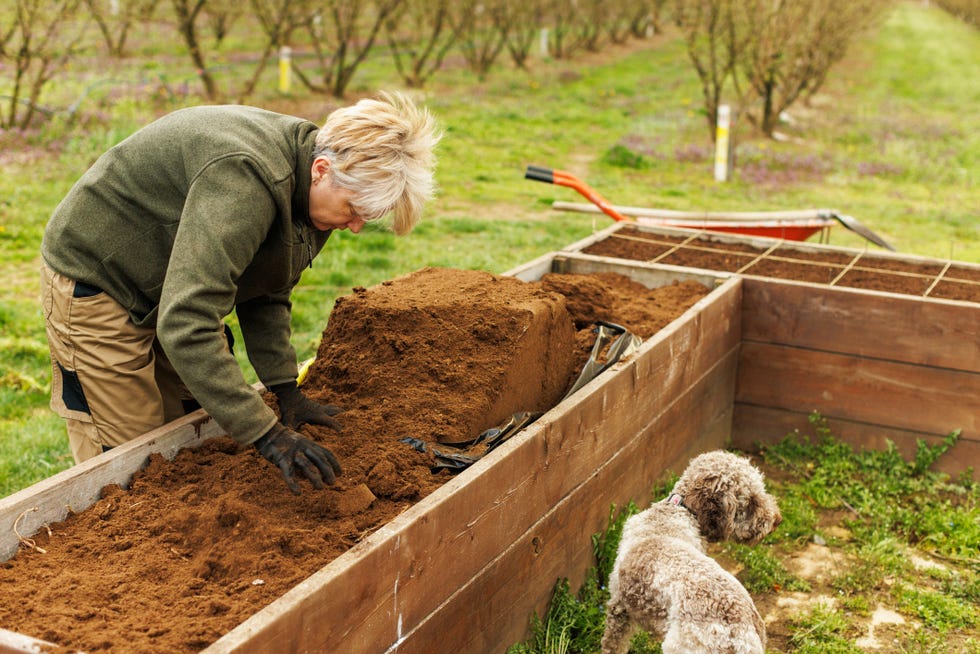
Once you’ve cleaned your garden beds and loosened the soil, it’s time to freshen things up with some organic matter. Spreading a layer of compost or high-quality garden soil will improve the soil structure, amplify its nutrients, and support healthy microbes. Just mix the fresh layer into the top few inches of existing soil, and you’ll have a nutrient-rich foundation just in time for growing season.
Inspect Irrigation and Drip Lines
If you use drip irrigation or soaker hoses for your garden beds, winter weather might’ve brought cracks or loose fittings to the system. Before spring arrives, be sure to double-check that everything is running smoothly by scanning for leaks, clogged emitters, or damaged tubing. Patch up any noticeable issues ahead of growing season to prevent a big headache later on.
Xiuxia Huang//Getty Images
Install Trellises and Plant Supports
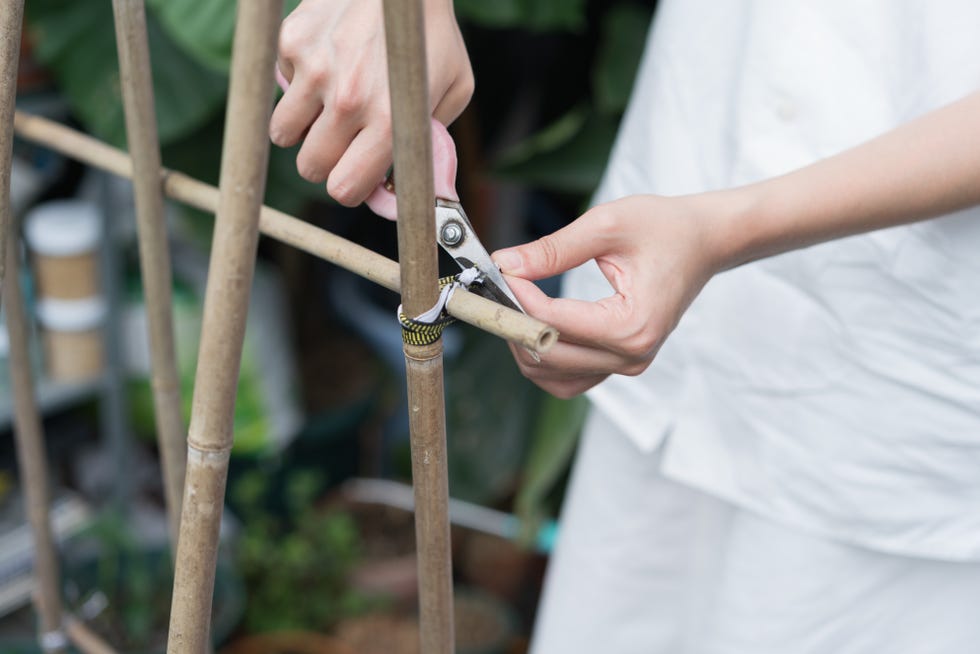
Early spring is also a great time to set up trellises, cages, or stakes for crops that benefit from vertical growth, such as tomatoes, cucumbers, peas, and beans. By installing a supportive structure before spring planting, you’ll help increase airflow, avoid damaging delicate roots, and make planting and harvesting a lot easier.
Plan Your Spring Planting Schedule
After cleaning up and refreshing your garden beds, the time has come to map out what you want to grow this spring! As you piece together your lineup, consider factors like sunlight exposure, companion planting, and crop rotation. A simple sketch of the layout can help you visualize where each plant will go.
More Early Spring Yardwork

Lilly Blomquist is the associate editor at The Pioneer Woman, where she writes lifestyle stories across a wide range of topics—including news, entertainment, holidays, food, and more.
Comments are closed.