
Dengarden and Yahoo may earn commission from links in this article.
As winter eases its way out and the first signs of green begin to emerge, it’s tempting to want to get a head start on every gardening task on your to-do list. However, early spring is a delicate transition period when it’s better to move cautiously rather than quickly.
Some tasks give your plants a strong, healthy start to the growing season, while others can actually set your landscape back—and even potentially harm sensitive plants. We’ve asked gardening and landscape experts to share which early spring tasks are truly worth your time, and which ones you’re better off postponing until later in the growing season.
1. Clean Your Beds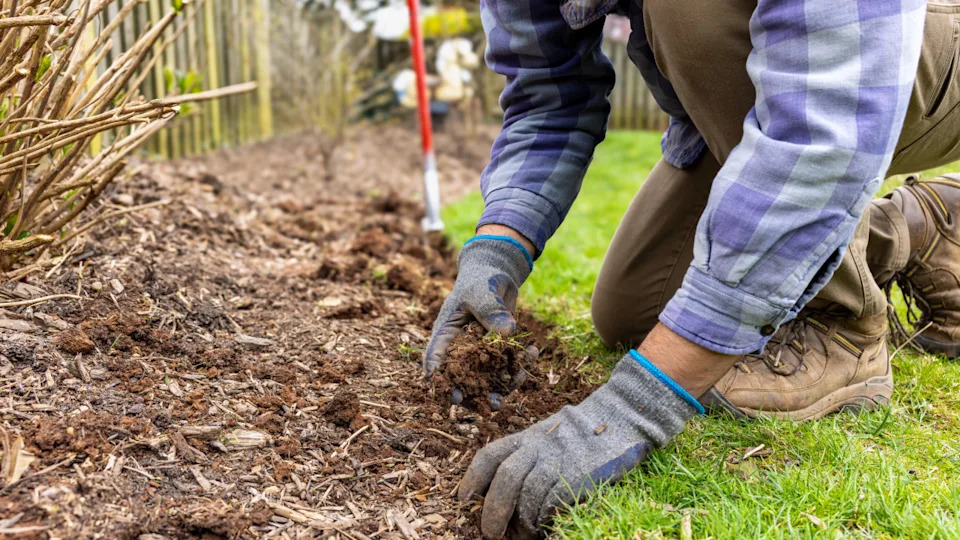
Photo by Greggory DiSalvo on Getty Images
(Photo by Greggory DiSalvo on Getty Images)
A gentle garden bed cleanup is one of the most important ways to welcome spring growth.
“Bed cleanup is my first gardening task every early spring,” says Tammy Sons, founder and CEO of TN Nursery. “I rake lightly or remove dead leaves by hand so as not to disturb new perennials coming up or beneficial insects that may still be overwintering in the leaves.”
The keyword is lightly. Avoid aggressive raking that can damage tender shoots just breaking through the soil. Removing excess debris allows sunlight and air to reach the soil surface, which also helps reduce early-season fungal diseases and prevents pests from settling in.
“Remove any debris and weeds,” adds Steve Corcoran, CEO of Lawn Love. “This is something to do year-round as necessary, but doing it in early spring sets your yard up to be as healthy as possible when plants start to exit dormancy.”
2. Prune Flowering Shrubs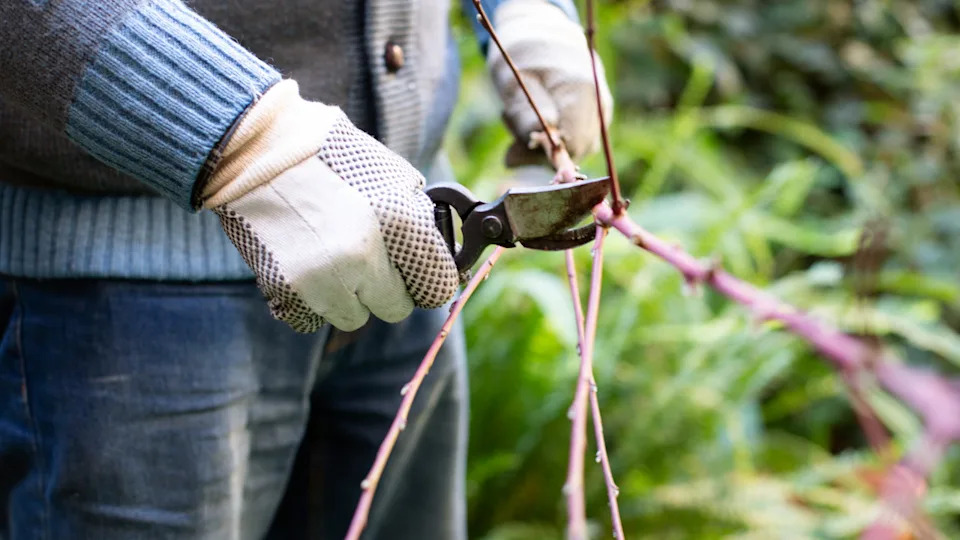
Photo by Kathrin Ziegler on Getty Images
(Photo by Kathrin Ziegler on Getty Images)
Early spring is an excellent time to assess shrubs and trees for winter damage and structural issues.
“I trim out winter damage with sharp pruning shears, making clean cuts just above a bud that faces outward from the shrub,” Sons says. Basil Camu, master arborist at Leaf & Limb, adds that pruning should always prioritize plant health over appearance.
“Proper pruning isn’t about shaping plants,” he explains. “It’s about guiding strength.”
Before making any cuts, walk your landscape slowly and observe each plant’s natural structure. Remove dead, damaged and crossing branches first. Then evaluate for structural weaknesses such as competing leaders or narrow branch unions.
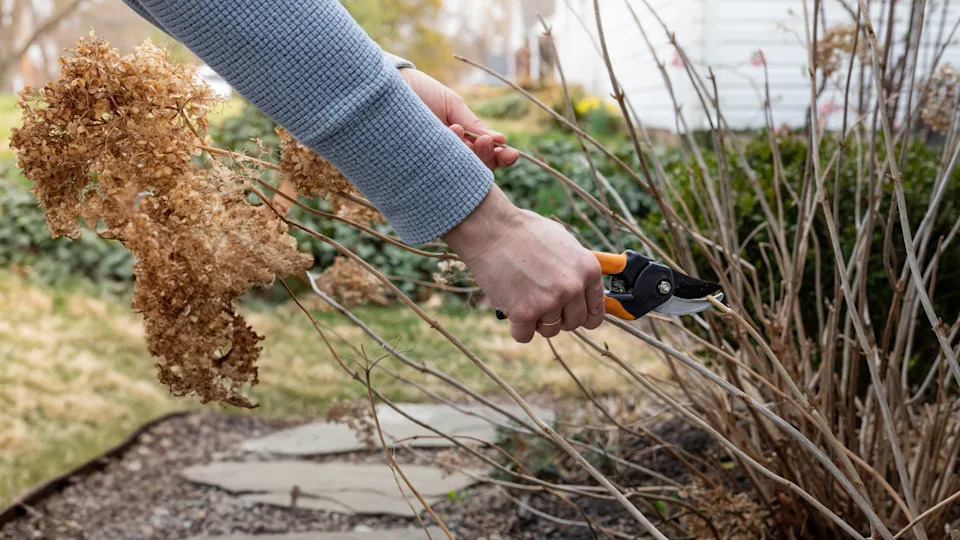
Photo by Greggory DiSalvo on Getty Images
(Photo by Greggory DiSalvo on Getty Images)
“Step back often and prune conservatively,” Camu continues. “Thoughtful structural pruning reduces future storm damage and supports long-term tree health.”
Always make clean, intentional cuts just outside the branch collar to encourage proper healing and minimize stress on the plant.
3. Test Your Soil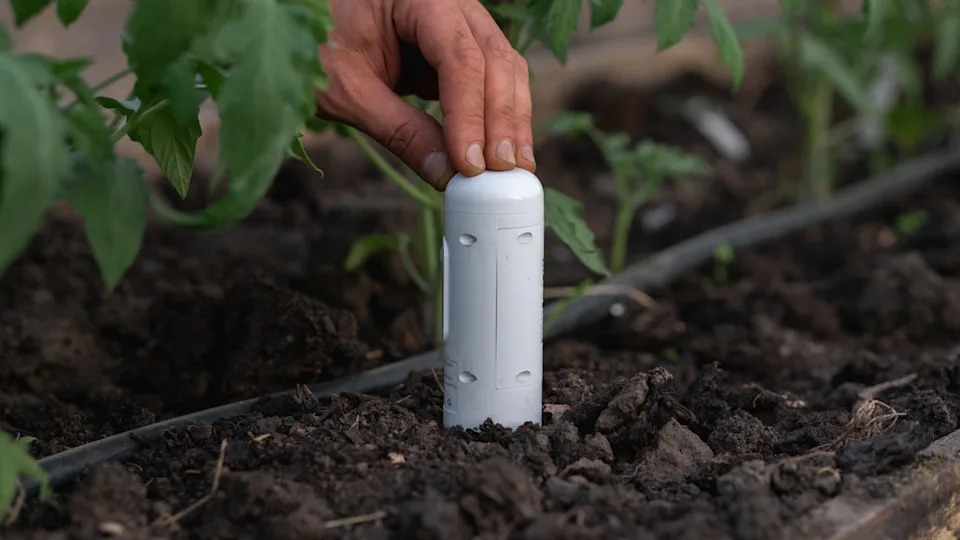
Photo by MementoJpeg on Getty Images
(Photo by MementoJpeg on Getty Images)
While many gardeners head straight for fertilizer in early spring, experts say that’s often a mistake. One essential early spring gardening task that people often don’t think of is doing a soil test, Corcoran says.
“Before blindly applying soil amendments and fertilizers in the spring, you want to learn the specific problems your soil has,” he explains. “When you do a soil test in early spring, you can figure out exact nutrient deficiencies and what the pH level is, and from there you have time to get the right soil amendments and fertilizers to solve those issues.”
A simple soil test provides a roadmap for the season. Instead of guessing, you can tailor amendments to your garden’s actual needs, saving money and preventing nutrient imbalances.
4. Skip Early Season Lawn Mowing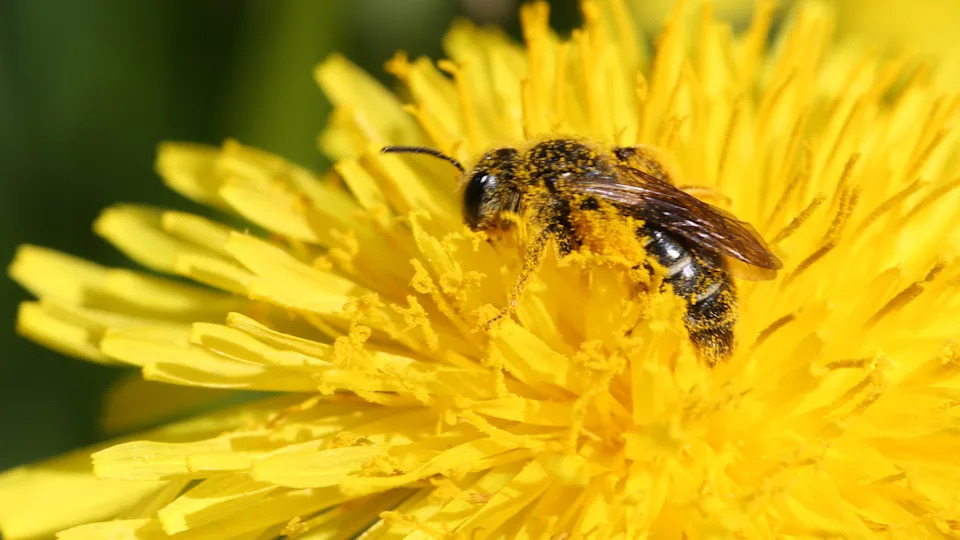
Photo by NurPhoto on Getty Images
(Photo by NurPhoto on Getty Images)
The first mow of the season is certainly satisfying, but it’s not always the best move for your lawn or local pollinators.
Early spring lawns often contain small flowering plants that provide critical early food for pollinators emerging from winter. “Mowing too soon removes one of the first nectar sources available to bees and beneficial insects,” Camu says.
If possible, delay mowing until these early blooms fade. You can also mow less frequently and set your mower blade higher to protect emerging plants and soil health.
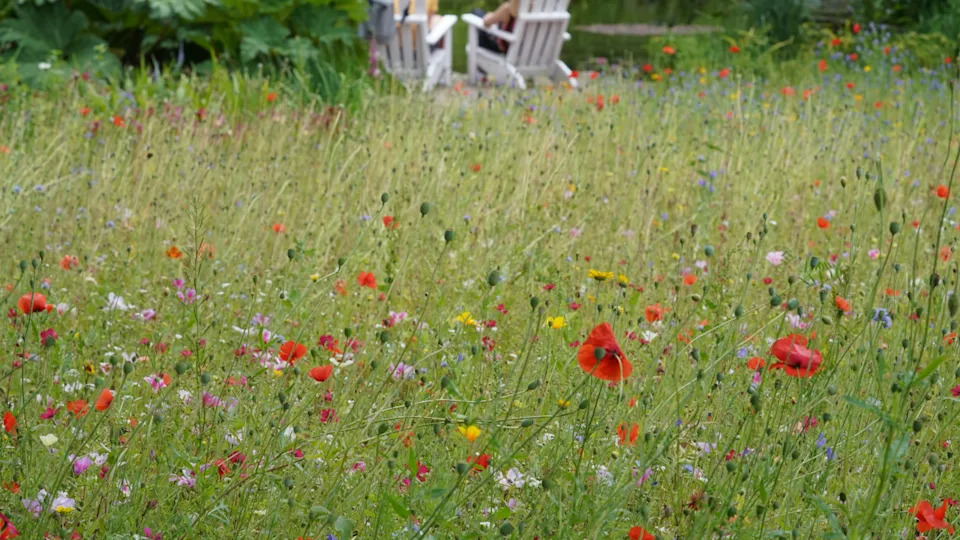
Photo by picture alliance on Getty Images
(Photo by picture alliance on Getty Images)
“Healthier soil, taller grass and fewer disturbances support a more balanced living landscape,” he continues. “Even better, consider transitioning portions of lawn into native meadow or Piedmont Prairie, [a high-quality, low-maintenance habitat for pollinators and wildlife href=”https://dengarden.com/gardening/10-reasons-to-start-a-wild-lawn”].”
Timing matters, too. The ideal time to begin mowing varies by climate, but for most regions it’s no earlier than mid-to-late spring, Corcoran adds. “Your grass needs to be actively growing.”
5. Don’t Plant Frost-Tender Plants Too Early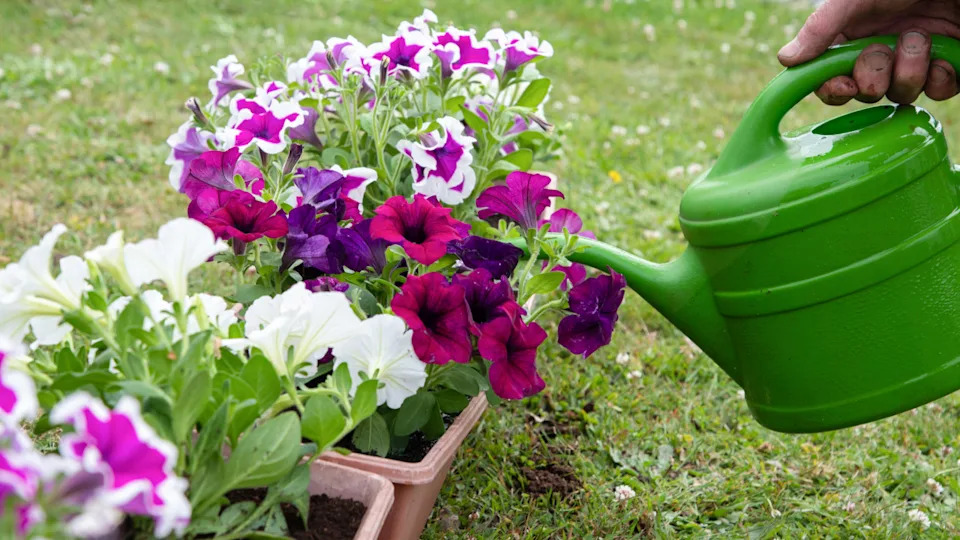
Photo by Ekaterina Toropova on Getty Images
(Photo by Ekaterina Toropova on Getty Images)
Garden centers are likely already full of colorful annuals and warm-season vegetables, but experts say these plants often go on sale before conditions for planting them are truly safe.
Planting frost-sensitive species before your region’s last frost date can result in damaged foliage, stunted growth or complete plant loss. “If cold temperatures return, newly planted specimens may struggle or fail entirely,” says Noelle Johnson, author of Dry Climate Gardening and The Water-Smart Garden.
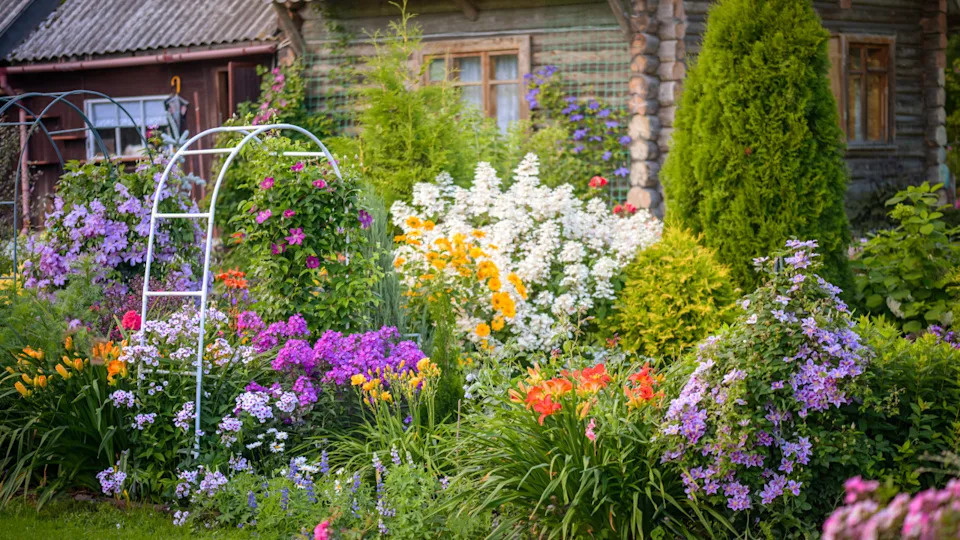
Photo by elenaleonova on Getty Images
(Photo by elenaleonova on Getty Images)
Instead, wait until nighttime temperatures consistently remain above your local frost threshold and the soil has warmed adequately. Patience early in the season leads to stronger, more resilient plants later, so while it’s tempting to get a headstart, waiting is often your best bet.
6. Avoid Heavy Soil Tilling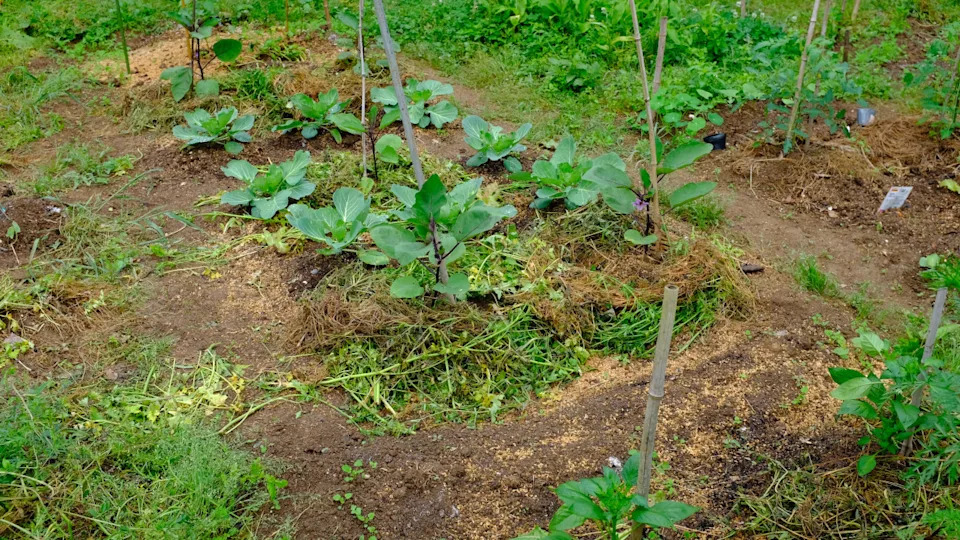
Photo by itotoyu on Getty Images
(Photo by itotoyu on Getty Images)
Turning over soil has long been considered a spring ritual, but experts suggest a lighter touch. Traditional tilling can break down soil structure, disrupt beneficial microorganisms and increase moisture loss, all of which undermine long-term soil health.
“In water-wise landscapes, preserving soil health is far more effective than aggressively turning it over,” Johnson says. “Rather than tilling, top-dress beds with compost and allow earthworms and soil microbes to incorporate it naturally over time.”
This low-impact approach protects soil life, improves water retention and builds fertility over time. Early spring gardening isn’t about doing more, but about doing what counts. Focus on gentle cleanup, smart pruning and informed soil care to set your garden up for success and avoid early-season setbacks.
Related: How to Create a No-Till Garden: Healthier Soil, Less Work
This story was originally published by Dengarden on Mar 6, 2026, where it first appeared in the Gardening section. Add Dengarden as a Preferred Source by clicking here.
Comments are closed.