
Credit: Maryviolet / Getty Images
Key Points
Experts agree that fall is generally the best time to plant perennials.
Growing zone and the type of perennial can influence whether spring or fall is best.
Always research the plant and growing zone in order to determine when the best time to plant is.
Spring might seem like the obvious time to plant perennials—after all, it’s when we sow most annuals. Temperatures are warming, rain is plentiful, and the motivation to garden is also at an all-time high.
But is spring truly the best time to get these hardy plants in the ground? Or should you wait until fall, just before the first frost?
To find out, we spoke to three gardening experts—and they all said the same thing.
Meet the Experts
Shelly Deaton is a gardening expert and co-owner of the multigenerational family flower farm EarthSpoke Farms.
Anna Ohler is the owner of Bright Lane Gardens boutique plant nursery.
When Should You Plant Perennials?
Generally, our experts agreed that fall is the best time to plant perennials. Specifically, perennials should be in the ground about four to six weeks before your area’s expected first frost date.
That said, not all perennials benefit from fall planting. Herbaceous perennials are usually best planted in the fall, while evergreen or semi-evergreen perennials are often best planted in the spring.
Spring-blooming perennials like bearded irises and peonies should always be planted in the fall, while fall-blooming perennials like chrysanthemums or Japanese anemones should be planted in the spring.
Any perennials that are marginally hardy for your zone—like frost-sensitive dahlias—should always be planted in the spring once the danger of frost has passed.
In climates with mild winters (zone 7 and above), perennials can almost always be planted in the fall since they won’t experience drastic cold stress over the winter.
However, gardeners in colder climates (zones 3 to 5) may need to push some of their planting into spring to prevent tender roots from dying over winter.
Ultimately, it’s always best to research the recommendations for your USDA growing zone as well as the perennial you are looking to plant.
Spring
Evergreen and semi-evergreen perennials
Marginally hardy perennials
Perennials in USDA zones 3-5
Fall
Spring-blooming perennials
Most perennials in USDA zones 7+
Why Fall Is the Best Time to Plant Perennials
Credit: Photos by R A Kearton / Getty Images
According to gardening experts, here are a few reasons planting perennials in the fall is generally best.
Mild Temperatures Reduce Stress
Spring and fall are the best times to get new plants in the ground because temperatures are neither too hot nor too cold. Compared to the heat of summer months, the cooler fall weather causes less stress on plants during transplanting.
Fall Rain Keeps Plants Watered
We all know that April showers bring May flowers, but autumn rains are just as bountiful. Those gloomy fall rainstorms are actually helping your garden prepare for a long winter’s rest, and they help freshly transplanted perennials acclimate after planting.
Warm Soil Encourages Root Growth
Temperatures may be cooler, but the soil is still warm enough to encourage plenty of root growth before the frost hits. Thanks to cooler air temperatures, reduced heat stress, and plentiful fall rains, perennials are well set to establish healthy roots when planted in the fall.
Fewer Pests, Weeds, and Diseases
The reduced humidity in fall helps slow the spread of fungal and bacterial diseases in the garden. Cool fall temperatures also help reduce pest and disease pressure in the garden.
By the time you’re ready to plant your fall perennials, many summer insects have died off for the winter, with their eggs and pupae lying dormant until the spring.
Plants Get a Head Start
For the right perennials, fall planting will give them a head start so they can grow bigger and better in the spring.
“The shorter days and sunlight will allow your plants to establish their roots over winter slowly, and they will have developed a strong root system by spring or summer when temperatures warm up and your perennials are ready to bloom,” says gardening expert Shelly Deaton.
This means you can expect more prolific blooms from perennials planted in the fall than from the same ones planted in the spring.
Tips for Fall Planting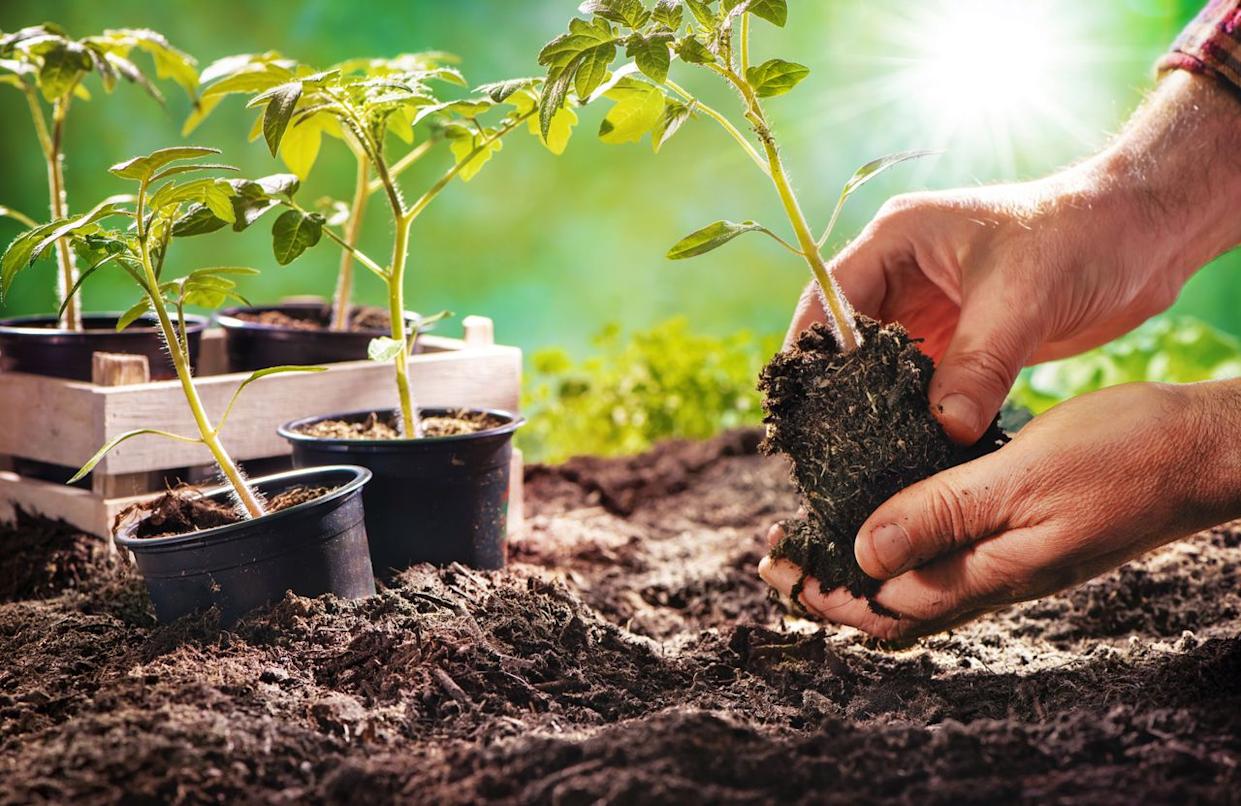
Planting perennials in the fall comes with a few key rules and guidelines to keep in mind.
Time It Right
The first and most crucial step to planting fall perennials is to ensure you do it at the right time.
“There is such a thing as planting too late,” says gardening expert Anna Ohler. “Aim for planting perennials four to six weeks before the first average frost date for your region. Do not plant any later than four weeks before that date or the roots may not have enough time to grab on.”
Water Well After Planting
Fall rains can help keep your perennials hydrated, but it’s still important to water them thoroughly immediately after planting. This helps minimize transplant shock, prevents wilting, and encourages deep root development.
Skip Heavy Fertilizer
Fertilizer gives your plants the nutrients they need to thrive, but when it comes to fall planting, less is more. You want your freshly transplanted perennials to focus their energy on root development rather than pushing out tender new foliage ahead of your area’s first frost.
Add Mulch
Mulching your newly transplanted perennials in the fall is always a good idea. A light layer of mulch can help insulate and protect the plant’s roots as temperatures begin to cool.
Read the original article on The Spruce
Comments are closed.