
Key Points
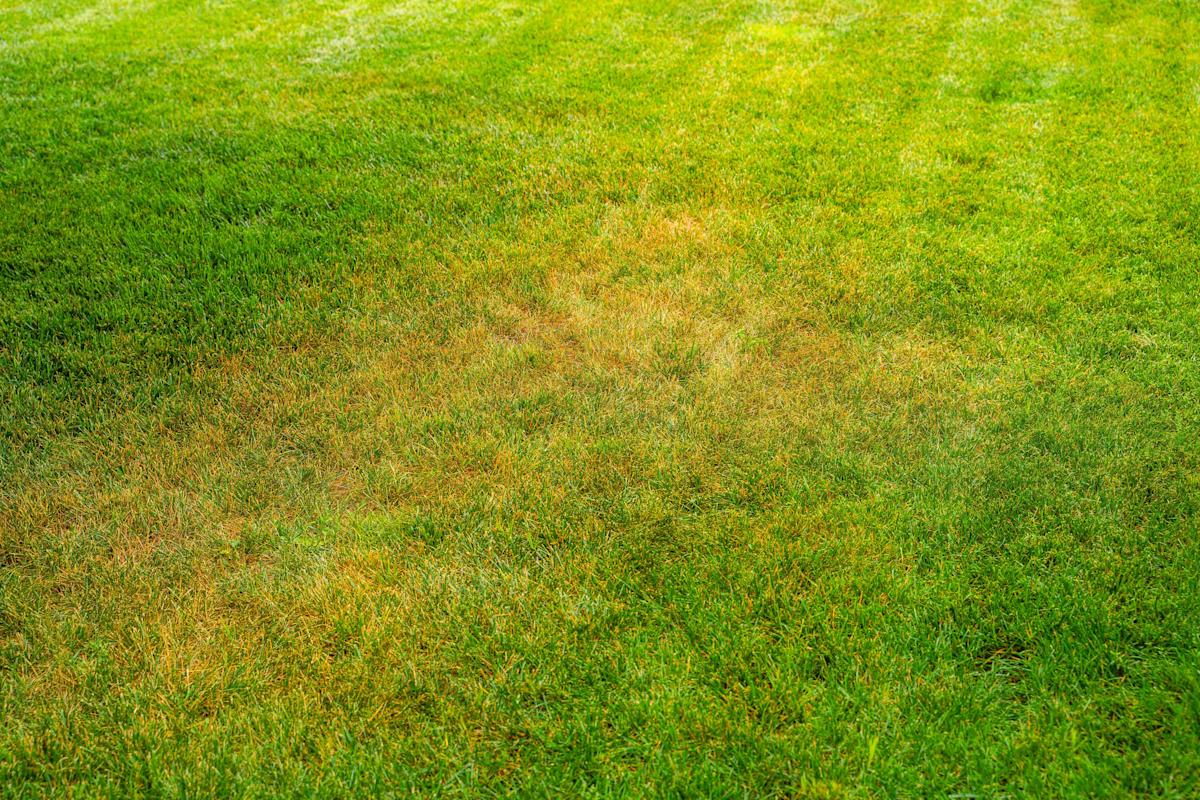
Grass often turns brown in summer due to dormancy, compacted soil, pests, or improper mowing.
Identifying your grass type helps determine if browning is normal dormancy or a sign of stress.
Understanding these causes helps maintain a healthy lawn year-round, as proper seasonal practices can prevent long-term damage.
Having lush green grass is always the goal, but sometimes, your lawn will turn brown, even when it receives enough water. That’s because adequate hydration isn’t the only key to having healthy grass.
“Brown grass doesn’t always mean dead grass,” Susan McIntosh, the president of Lawn Pride, says. “With a little patience and the right care, your lawn can stay resilient through summer and green up beautifully when conditions improve.”
So, why is your lawn turning brown? We asked McIntosh and another lawn care pro what could be causing the issue and how to prevent it in the future.
Meet the Experts
Ron Henry is the turfgrass specialist at the Golf Course Lawn Store.
Susan McIntosh is the president of Lawn Pride, a Neighborly company.
Why Your Lawn Might Still Look Brown If You’re Watering It Enough
McIntosh advises first identifying the type of grass you have: either cool-season or warm-season.
Fescue, Kentucky bluegrass, and perennial ryegrassool-season grass are cool-season grasses, which means they often go dormant during hot, dry weather, turning brown to conserve moisture and energy.
On the other hand, warm-season grasses include Bermuda, Zoysia, St. Augustine, and Bahia, and they thrive in summer. However, extreme drought conditions or poor soil can cause them to brown.
She also says that browning can also occur due to compacted soil in areas with high foot traffic, a build-up of dead grass material (called thatch), pests like grubs or cinch bugs, and, yes, even improper watering.
Ron Henry, the turfgrass specialist at the Golf Course Lawn Store, says diseases, like summer patch, can stress out lawns and cause brown spots.
He also suggests increasing your mowing frequency when going from spring to summer, and make sure not to cut off too much grass, which can also provoke browning.
“That’s a tough one for people to figure out, because they don’t know what they’re doing wrong,” he says. “But oftentimes they’re not either raising their height to cut or they’re not increasing their mowing.”
How to Prevent Brown Spots
Experts suggest still watering the lawn deeply one to two times a week with about an inch of water in the early morning to keep the grass fully hydrated. Shallow watering will cause the lawn to dry out quickly, but you should also avoid overwatering, which can promote disease.
After that, they recommend removing thatch layers, aerating your soil, and checking for fungus or signs of pests.
McIntosh says you can check for grubs by trying to pull up the grass—if it occurs too easily, the pest might be there. And a fungus may be present if the grass has circular, spreading spots with a musty smell.
Henry also recommends not mowing the lawn too short and keeping the grass fed with a primarily potassium-based fertilizer. He suggests using a 12% nitrogen and a 24% potassium fertilizer and has received positive lawn results using that.
Other Lawn Care Tips
McIntosh shared these tips for all grass types:
Sharpen mower blades regularly. This will help avoid ragged grass tips.
Leave grass clippings on the lawn. It will help return nutrients and retain moisture.
Avoid fertilizing during extreme heat. This especially goes for cool-season grasses.
Spot-treat weeds. Do this instead of applying blanket herbicides during stressful weather, like the heat.
Mulch garden beds and around trees. The mulch will help reduce water competition and keep roots cooler.
Read the original article on The Spruce
Comments are closed.