
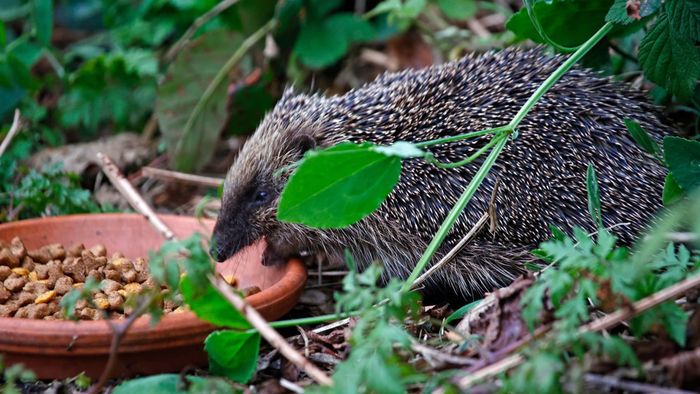
As hedgehogs start emerging from their winter hibernation, you might spot them snuffling for food in your garden. While they look adorable, wildlife experts are urging people to keep their distance.
The prickly creatures usually rouse from their slumber from mid-March, but they may appear earlier this year as it’s been fairly mild. “They might come out, toddle around for a few days and then, if there’s a really cold snap, go back to sleep for a few days,” says Helen Baczkowska, from Norfolk Wildlife Trust.
Enjoy watching them from afar, but don’t handle hedgehogs unless they are obviously injured or trapped – and don’t encourage them into the house, says Helen. “It really stresses them, will frighten them away and they may seek another refuge somewhere else,” she explains.
READ MORE
“Hedgehogs don’t really like people,” she adds. “They are much happier left to live their natural lives and are very good at finding what they need, as long as we don’t mess about with them.”
What about feeding them? “Yes, we can feed them but if we leave them wild places in our gardens, playing fields and farms, having a wildlife garden that’s full of invertebrates is more important,” she says. However, it can be a useful method to monitor the hedgehog population.
The British Hedgehog Preservation Society says you can give them high-quality meaty hedgehog food, meat-based cat or dog food (where meat appears as the primary ingredient) or dry cat biscuits. They suggest setting up several feeding stations in different parts of your garden to minimise conflicts between hungry hedgehogs.
Make sure you leave the food somewhere quiet where they won’t be disturbed – a box with a small entrance can be ideal as cats won’t be able to get in, says Helen. Alternatively, scatter small quantities of food in the grass or undergrowth to encourage them to forage, says PA’s gardening expert, Hannah Stephenson.
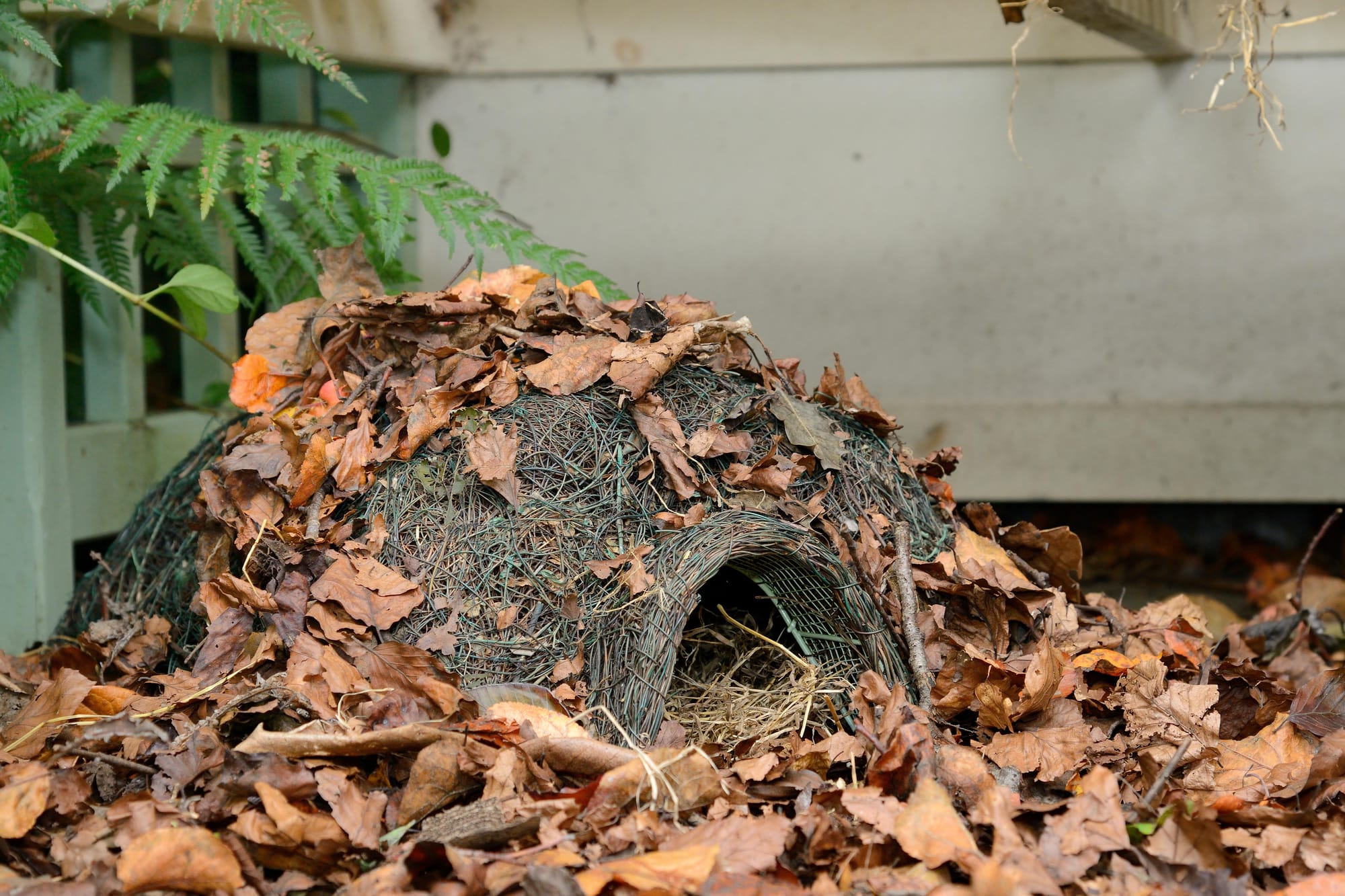 COSY HOME: Provide somewhere safe and dry for the hedgehog mammas and their hoglets (Image: Alamy/PA)
Provide water NOT milk: Leave them fresh drinking water and keep dishes clean to reduce the risk of spreading diseases and parasites. Helen adds: “Don’t give them bread or milk, like our grandparents used to, because it has nothing nutritious in it for them and they’re not evolved to drink milk, so it’s not good for them.”
Can you tame a hedgehog? Helen actively discourages anyone from trying to make hedgehogs into a pet. “When I’ve had hedgehogs in rescue, they don’t become tame. They skulk at the back of their cage and hide. They don’t like human interaction very much,” she says.
Delay spring cleaning: “Learn to love your garden insects, which will be food for the hedgehogs,” says Helen – and don’t be in a hurry to tidy up outside. “If you really have to do it, and there’s a big mound of grass cuttings and leaves, just leave them because there could be a hedgehog in there.”
However, she advises removing old strands of gardening string, plastic ties and old netting at ground level, which hedgehogs can become caught in. Helen also recommends avoiding using pesticides and slug pellets in your garden.

Injured hedgehogs: “At this time of year they can be a little bit slow coming out of hibernation so they might not look quite right, but they are probably just warming up and getting themselves going,” says Helen. However, if you spot an injured hedgehog, the BHPS recommends using gardening gloves or a folded towel to collect it up.
Bring the hedgehog indoors and place it in a high-sided box, with an old towel or fleece for them to hide under. Wrap up a filled hot water bottle and pop it in the bottom so it gives off a gentle warmth, ensuring there’s enough space for them to get off it if they get too hot.
Contact the RSPCA or your nearest animal sanctuary. The British Hedgehog Preservation Society can provide details of local hedgehog rescues and their website has a wealth of information on hedgehog care.
Want to support hedgehogs? The Wildlife Trusts’ Hedgehog Walk takes place between March 30 and April 30. Families, schools and clubs are invited to walk, wheel, crawl or roll 3km – the same distance a hedgehog wanders in a single night – to raise funds for nature. Find out more here.
Hedgehog supplies 🦔
This article contains affiliate links and we may receive a commission on any sales we generate from it. Learn more.
A 5L bag of Premium Hedgehog Food with Calciworms costs £8.99 on Amazon. The nutritious pellets are high in protein with at least 50% chicken and added omegas 6 and 3. The Oypla Wooden Hedgehog House is £24.99 at B&Q. Made from high quality fir wood with with weatherproof felt roof and a partition for protection from large predators. Measures 36 x 24 x 40cm. Wildlife World’s Igloo Hedgehog House costs £24.99 on Amazon. The steel frame has a felted waterproof roof covered with a brushwood and decorated with rattan bands. Measures 54 x 21 x 46cm high.
Prices correct at the time of publication.
MORE FOR GARDENERS
Comments are closed.