
 3 min read
In all honesty, where I live, in south-central Alabama, it feels like full-blown summer with many days of 75°F-plus temps in the immediate future. But I know, as always, that there will be a late-season cold snap. So, while I am starting to get plants in the ground, I want to be sure that they can tolerate a little nip, be moved to a safe space, or be covered if need be.
Besides cold-weather crops like lettuce, carrots, peas, cilantro, and dill, I also want to get some color in the garden ASAP. I have a dwarf lilac bush that is about to pop, and my pluot tree is in full bloom and covered in honeybees.
Here are a few cool-season flowering plants that I plan on getting in the ground in the next week or so.
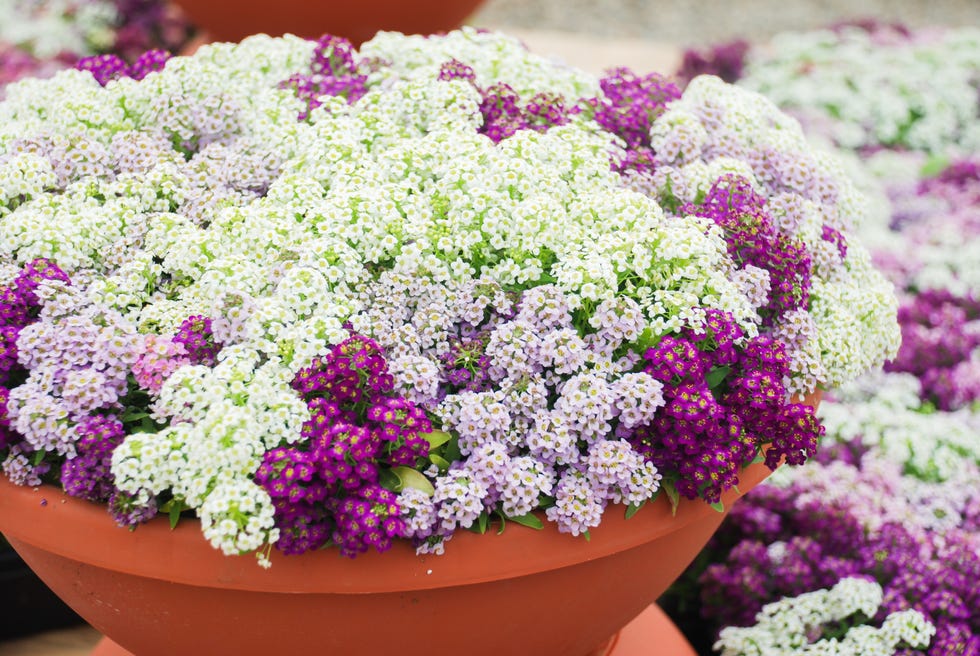
Sweet Alyssum
Another pollinator lover, sweet alyssum will attract bees, butterflies, and loads of beneficial insects like ladybugs and hoverflies, which help keep aphids under control. Planting in early spring will help the roots grow strong before the heat of summer, and because they are frost tolerant, it’s okay to get them in the ground a week or two before the last projected frost date.
Pinrath Phanpradith//Getty Images
Established alyssum plants can tolerate temperatures down to 20°F for short spells but be sure to cover newly planted starters if it’s going to dip especially low.
Calibrachoa (Million Bells)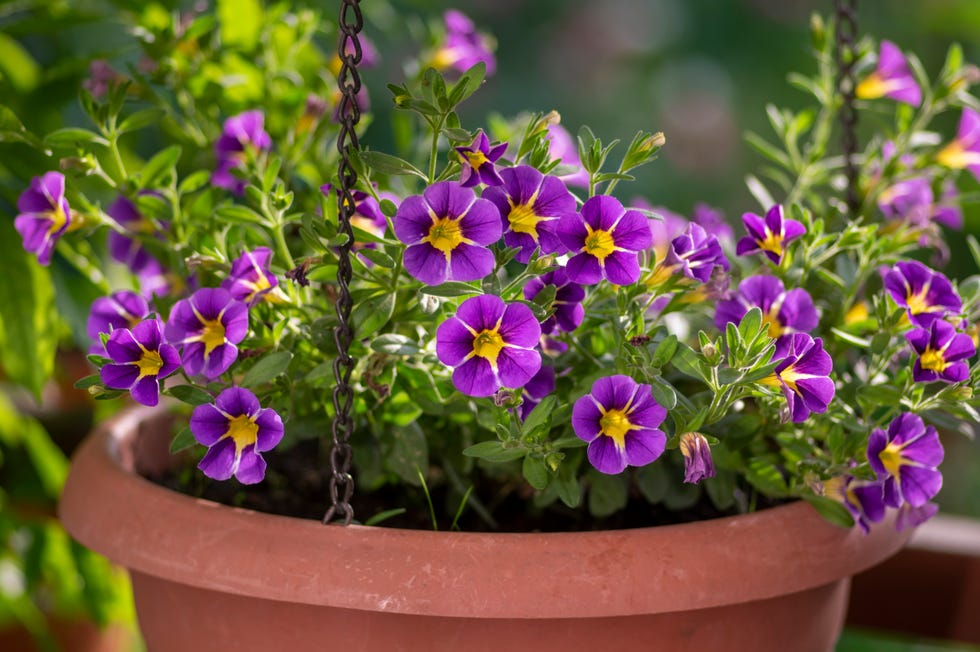
Iva Vagnerova//Getty Images
I love how old-fashioned these flowers feel—I can picture loads of them on my grandmother’s porch. If given a chance to get well established and set up a strong root system early in the season, Million Bells will be loaded with blooms all summer long. These are beautiful in hanging baskets, and since they are sensitive to frost, can easily be protected when planted this way if a cold snap rolls in. To be safe, wait until nights are consistently above 40 to 45°F before planting so they don’t stall in cold soil.
Annual Geraniums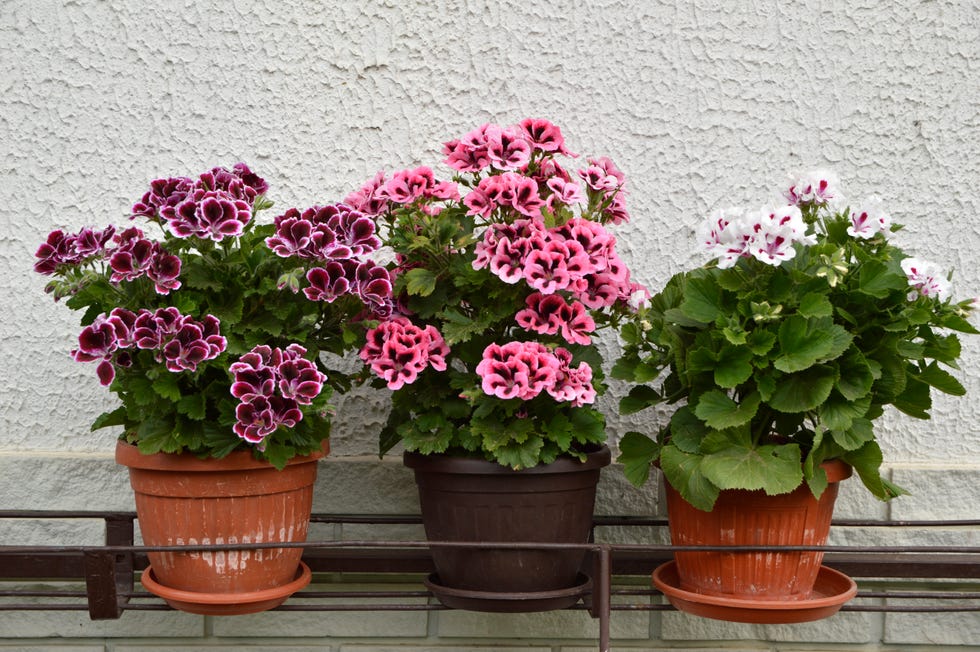
Jana Milin//Getty Images
I love to plant annual geraniums in pots and place them around the patio. Something about them reminds me of summers in the French countryside (we can all dream). Since they are not frost tolerant, having them in pots will allow me to either tuck them up against the house when a chill rolls in or if it’s going to be super cold, bring them inside. Being able to get this plant started early is one of the (few—I don’t love the heat) benefits of living in a southern climate.
Catmint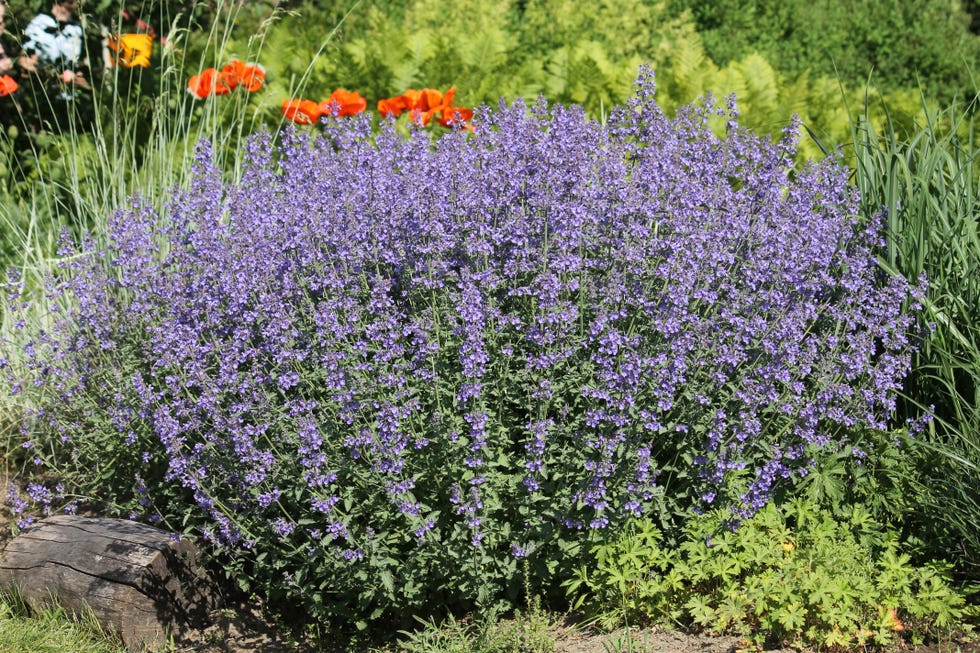
kazakovmaksim//Getty Images
If you want to attract pollinators, you must have this plant in the garden! Related to mint (so it can spread like mint unless you get a sterile hybrid that doesn’t spread by seed), this hardy perennial can have purple, pink, or white blooms throughout the season. Plant in the spring so it has time to get established and is ready to provide nectar for bees, butterflies, and even hummingbirds come summer. I am going to plant catmint in a spot that gets loads of sun since it flowers best in full sun. And since it can handle a wide variety of soil, the spot I have in mind (a rough patch between where my neighbor and I park our cars) fits the bill.
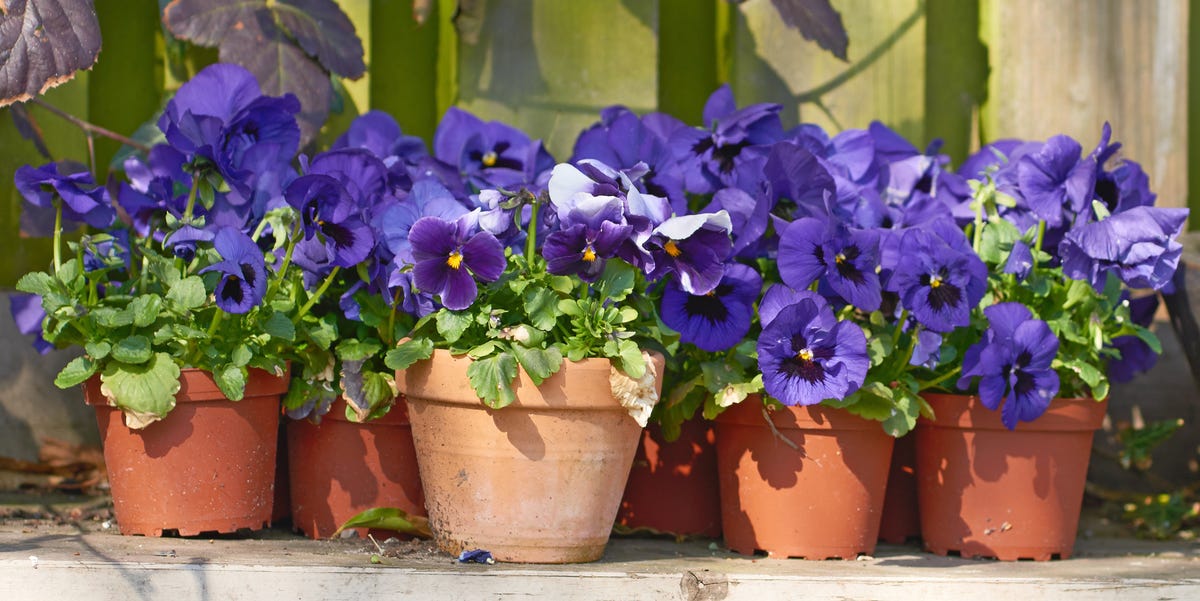
Pansies and Violas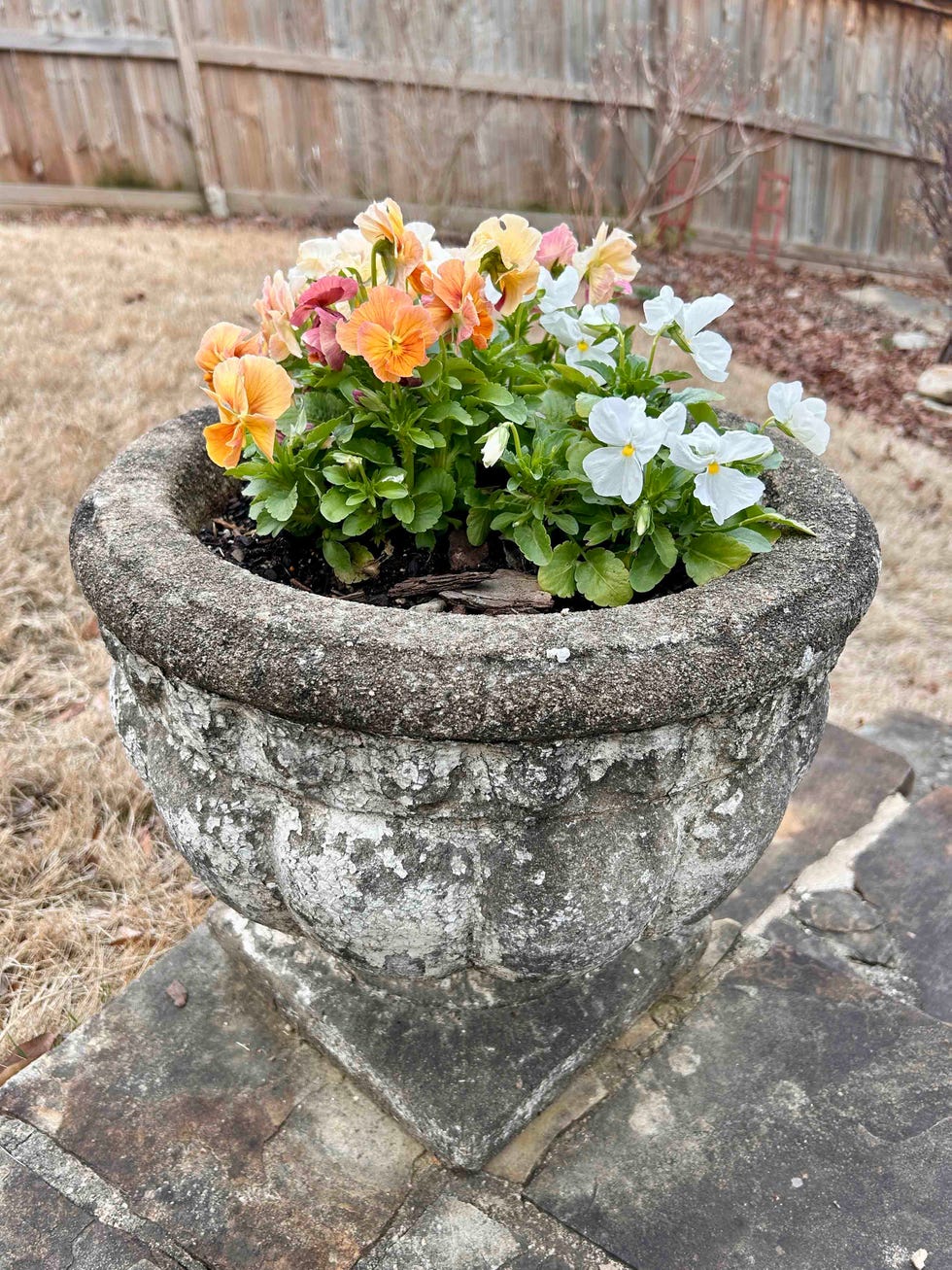 Charlyne Mattox for Country Living
Pansies that have been in my yard since November.
As you can imagine, our winters are relatively mild, so I have had pansies in my garden since late fall. Both pansies and violas can handle snow and frost, but violas are better suited to heat. So ahead of summer, I am going to scatter a few flats of violas around the yard. I’ll plant them in part shade to give them a better chance of surviving our miserable summers, but they will start to struggle when the temps are consistently in the high 80s and 90s. Keep them moist and deadhead regularly to encourage more blooms.
Comments are closed.