

Rats begin their breeding season in March, and once they are established in your home or garden, they can be extremely difficult to kick out – but an expert has shared simple tips to deter them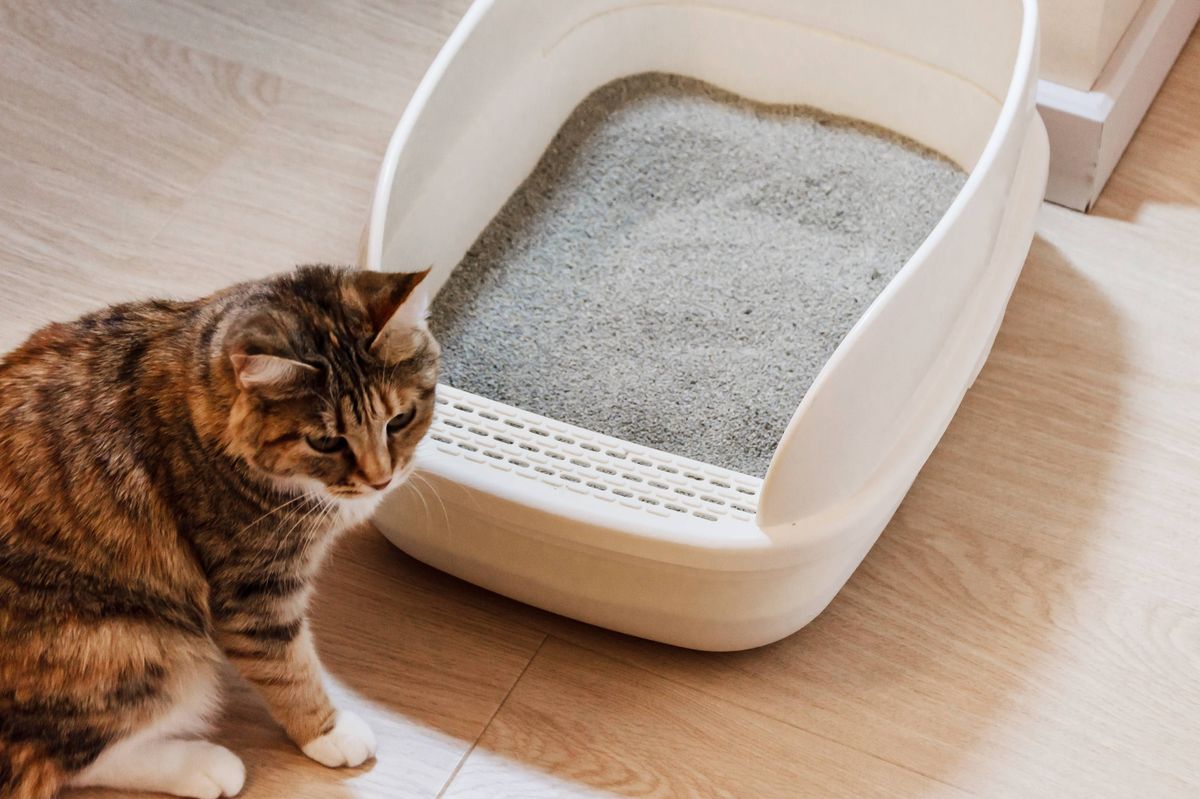
Keep rats out of your home and garden(Image: Nina Calykh via Getty Images)
Spring is approaching and blooms are starting to appear. The sunshine is breaking through the clouds, but the season brings with it one rather unwelcome visitor – rats. March marks the start of the rat breeding season, and once they’ve made themselves at home in your property or garden, getting rid of them can prove incredibly challenging.
As spring arrives, rats search for secure nesting locations, and if your outdoor space fits the bill, they’re liable to make it their permanent residence. A single rat can produce between 30 and 80 offspring annually, with female rats capable of breeding from just five weeks of age.
This makes it essential to ensure your property is as uninviting as possible.
Alex Hughes, a property management specialist from Letted, has revealed his expert advice for keeping rodents well away from your home. The simplest method, he explains, involves disrupting their scent trails, reports the Express.
He explained: “Rats rely heavily on smell to navigate and assess risk. If an area smells unsafe, then they are more than likely to move elsewhere.”
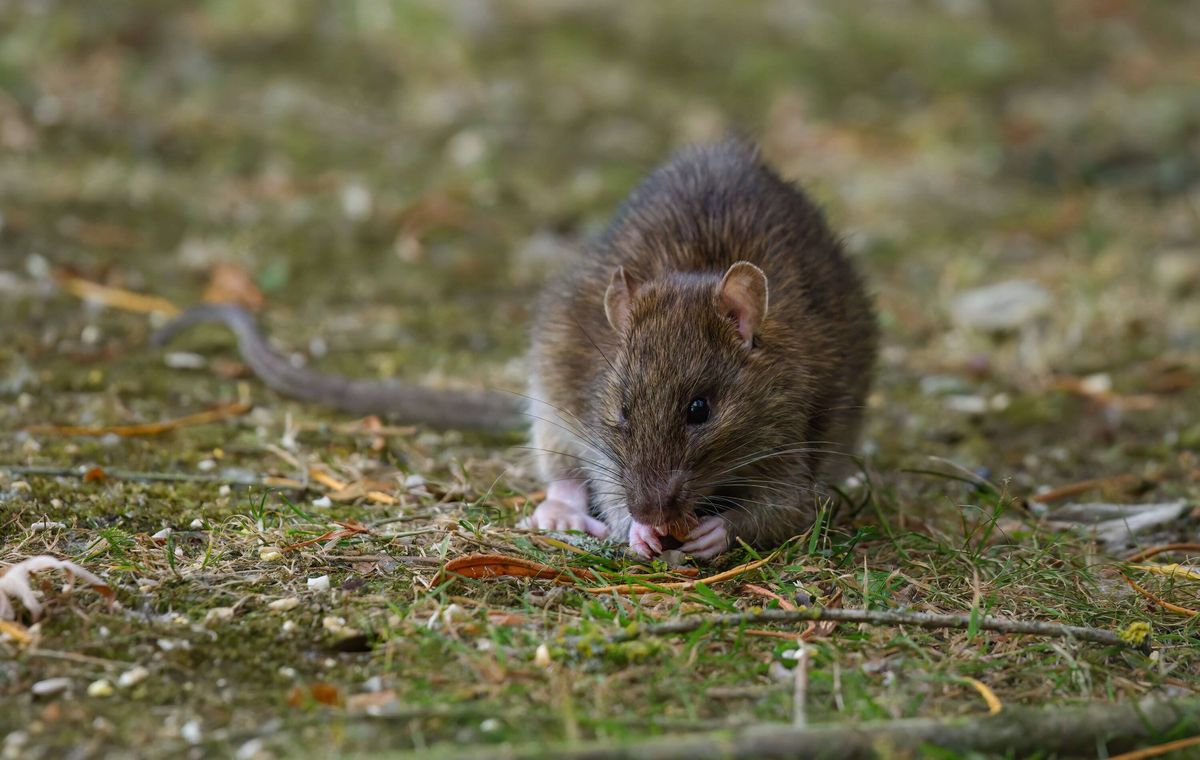
This will keep rats away(Image: Getty)
Ammonia is an excellent choice, as it replicates the scent of a predator. Position small quantities around your garden and potential entry points to discourage rodents.
For cat owners, used cat litter presents another effective solution, as it carries a predator’s scent.
Put the cat litter in a sealed yet breathable container outdoors and allow nature to do the work.
Peppermint oil offers yet another excellent alternative. It can overpower rats’ scent receptors and discourage them from settling.
To apply this method, saturate cotton wool with the oil and distribute it throughout your property.
Alex explained: “Using any of the above or a combination can make your garden and your home less appealing before rats establish a nest.”
It’s equally vital to ensure your outdoor space is clear of potential food sources. Any food waste or compost must be properly secured.
Alex warned: “If rats settle now, you will be dealing with a much larger issue in the summer. Rats have between 1,200 and 1,500 scent receptor genes, much more than the 400 humans have.
“Rats can detect food from bins, compost heaps and even pet food left outside. If food is easily accessible, your home becomes an easy target.”
Comments are closed.