
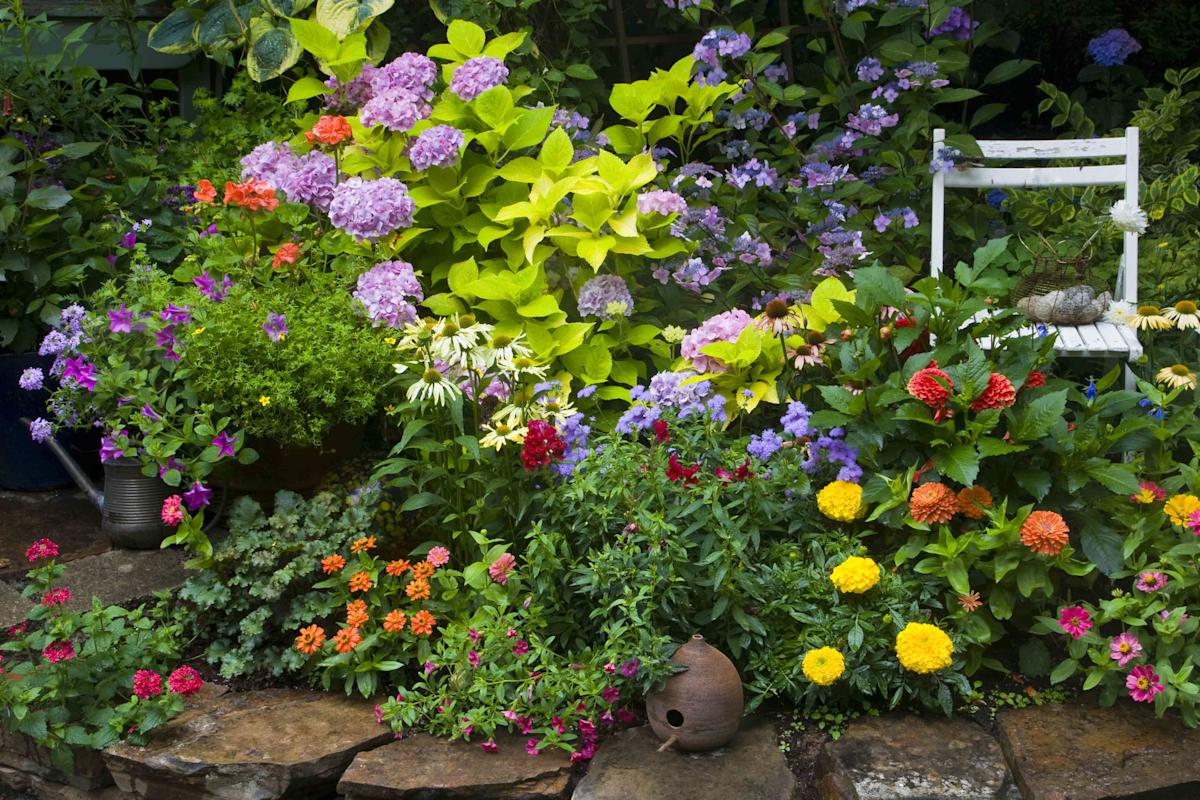
Even before the last frost of the season, garden centers come back to life with rows and rows of hardy plants. It’s tempting to fill your cart and get them into the ground ASAP, but don’t jump ahead just yet. It may be warm enough for short sleeves, but the ground can still be quite cold for some plants. Wait for the soil to warm before you put warm-weather flowers in the ground. Your annuals will thank you. Read on to find out when to start planting annuals and tips to help them thrive.
When To Plant Annuals
While some annuals can withstand cold weather and early spring planting, others need to wait until the season’s last frost has passed before being planted in the spring. Check with your local extension office to learn the expected last frost dates in your area. It’s typically from March to May for many parts of the South.
In the fall, planting should be done six to eight weeks before the first frost so roots have time to establish. The first frost date usually falls in October to December.
Cool-Season Annuals
Plant hardy annuals like pansies and snapdragons in early spring or in the fall since they like cooler temperatures. They can generally survive light frosts and moderate freezes. Cool-season annuals can be planted four to eight weeks before the last frost. These include:
Ornamental kale and cabbage
Warm-Season Annuals
Annuals that thrive in warmer weather can be planted in late spring or early summer when soil temperatures have warmed and there’s no longer a threat of frost. These include:
Can You Buy Annuals Early?
Once warm-weather annuals appear at your local nursery, you can buy them. Just don’t plant them yet if there’s still a threat of frost. Keep them in a garage or other covered space at night for about a week, and set them outside to get plenty of sunshine during the day to acclimate them to the outdoors. This exposure will help harden them off before you plant them permanently. Ideally, you want to wait until soil temperatures have warmed to 60ºF to 70ºF.
How To Protect Annuals From Frost
The last frost date is the key to keeping frost-tender plants alive. While it isn’t guaranteed—a late frost can still happen after this date—it’s a good guide to determining what soil and temperatures will be like. Waiting past that date can also help. Some gardeners wait a week or two in case there’s a surprise frost in the forecast. If you plant annuals after the last frost date and a freeze is expected in your area, use frost covers or blankets to protect your annuals. You can start annuals from seed indoors eight to 10 weeks before the last frost is expected.
Read the original article on Southern Living
Comments are closed.