
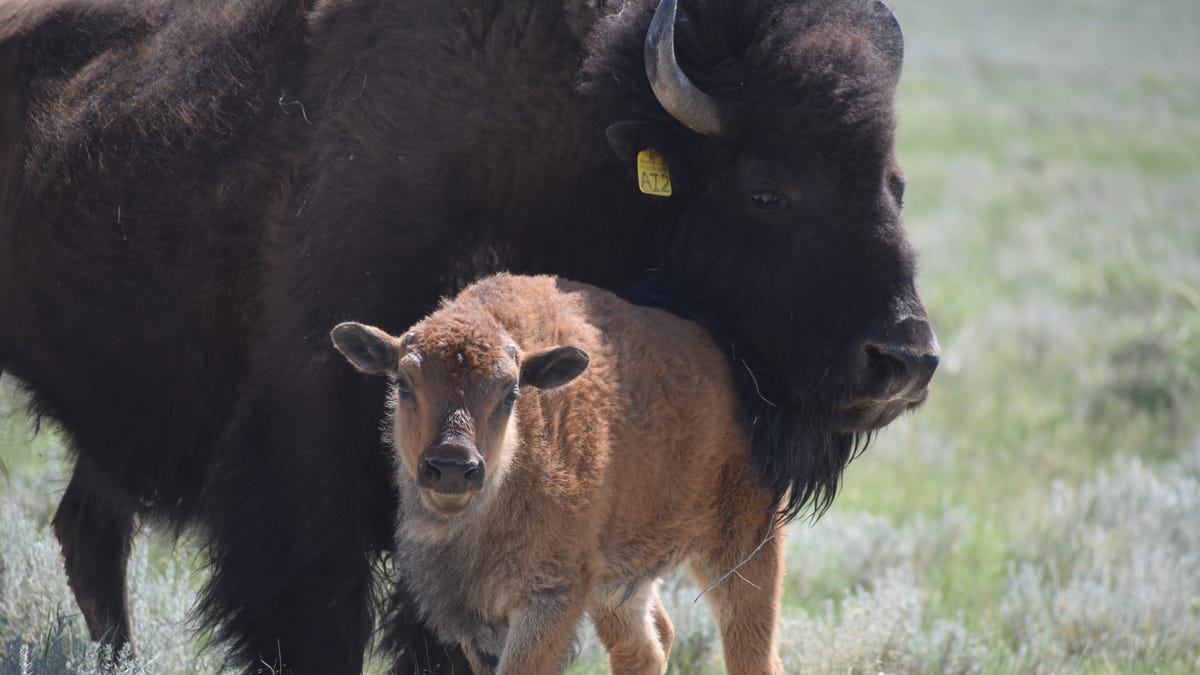
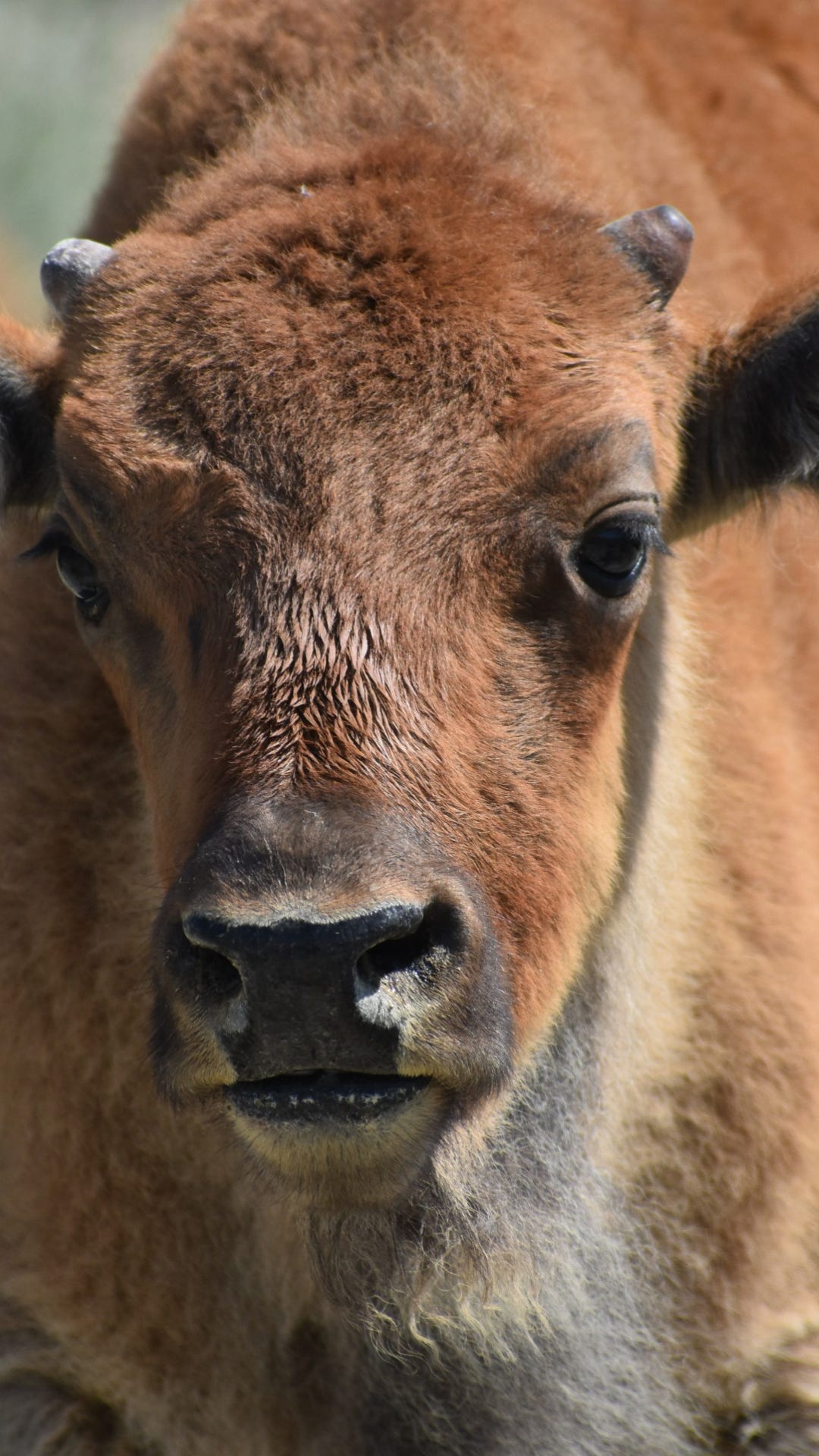

Colorado State University bison herd
In 2015, CSU teamed up with other partners to start a bison herd with genetics from Yellowstone bison that today roams Soapstone Prairie Natural area 25 miles north of Fort Collins, Colo.
Students and equipment will be available to help load the manure into containers and trucks.Donations are welcome to support the bison herd, which recently celebrated its 10-year anniversary.
The only thing better than bison manure is free bison manure.
Colorado State University’s Laramie Foothills Bison Conservation herd not only produces enough animals to give away each year but enough manure as well.
This year’s free bison manure day will be held from 10 a.m. to 1 p.m. March 7 at the Animal Reproduction and Biotechnical Lab, 3107 Rampart Road, on the CSU Foothills Campus.
Students will be on hand to direct the public to piles of manure, and shovels will be available to load your own containers. For those wanting more manure, a skid loader will be available to load trucks.
Most of the herd roams pastures at city of Fort Collins-managed Soapstone Prairie Natural Area, and to a lesser extent the Larimer County-managed adjacent Red Mountain Open Space, north of Fort Collins. But some of the herd, mostly the bulls, spends time in enclosures at CSU’s Foothills Campus on the west side of the city, where they produce manure.
Instead of simply throwing away the manure, the manure is aged, like a fine wine, for the public to use in vegetable and flower gardens.
Well-aged bison manure, like more commonly used cow manure, is ready to be used for spring planting. This year’s pile has been aged for three years.
The manure is free but donations are welcome and will be used to support the herd, which celebrated its 10-year anniversary in November.
For more information, send an email to Matt.McCollum@colostate.edu.
Comments are closed.