
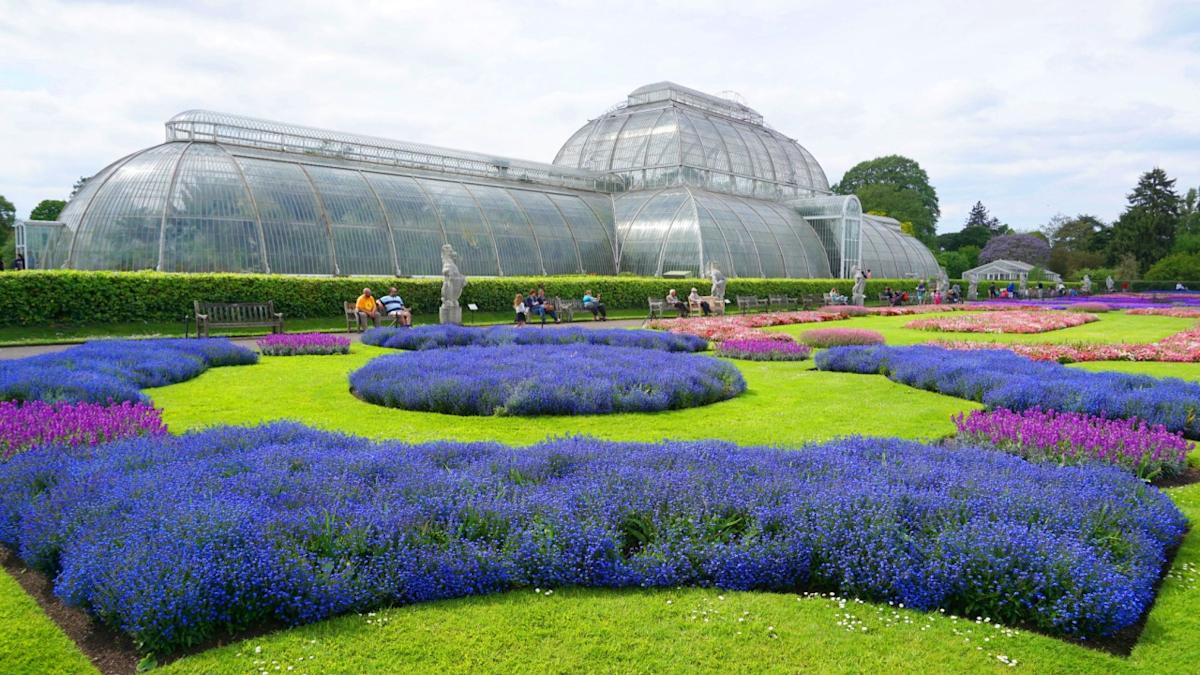
The British have a particular relationship with their gardens. They talk about them, argue about them, write extraordinary books about them, and travel considerable distances on weekends to peer over other people’s walls at them.
There is even a word for the feeling: garden envy. It strikes when you catch a glimpse through an iron gate of something so perfectly planted, so quietly magnificent, that you want to cancel all other plans and spend the rest of the day there.
The United Kingdom is, by almost any measure, the world’s greatest garden destination. With over 500 significant gardens open to the public across England, Scotland, Wales, and Northern Ireland, and hundreds more historic estates with seasonal openings, there is enough here to fill a lifetime of garden travel. This guide is for those who want to begin.
The Gardens Everyone Should Visit at Least Once1. Kew Gardens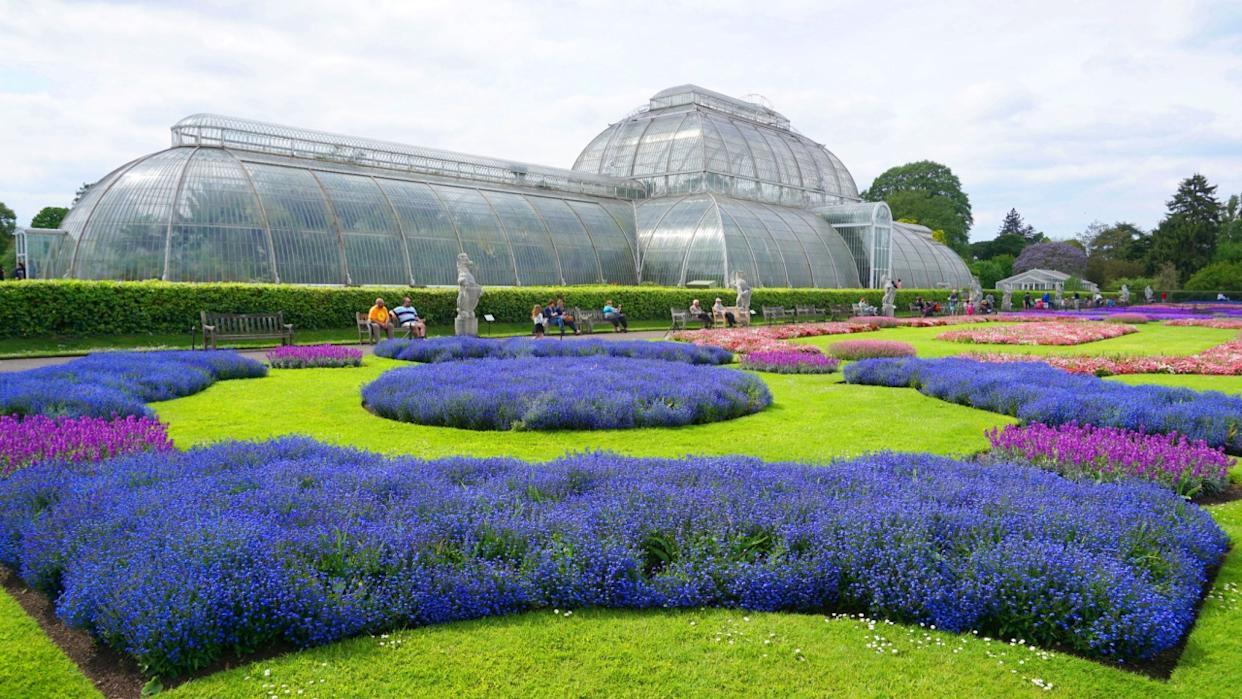
Image Credit: Aerial-motion at Shutterstock.
Kew Gardens in southwest London is the obvious starting point, and with good reason. It’s 326 acres contain more than 50,000 living plants, and its glasshouses include the restored Temperate House, the largest Victorian glasshouse in the world. The Treetop Walkway, the Palm House, and the Princess of Wales Conservatory, with its ten climate zones, each deserve time on their own. Kew is not a garden you rush.
2. Sissinghurst Castle Garden
Sissinghurst Castle Garden in Kent is one of the most influential gardens in the history of English gardening. Created by writer Vita Sackville-West and her husband Harold Nicolson in the 1930s, it is organized into a series of ‘rooms’, each with its own character: the White Garden, the Rose Garden, and the Cottage Garden. Climb the Elizabethan tower at the center of the garden first, and you will see the whole design laid out below you like a map.
3. Great Dixter
Great Dixter in East Sussex is the most energetically planted garden in England. Created and tended for decades by the late plantsman Christopher Lloyd, it combines wild-flower meadows, tropical exuberance in the Exotic Garden, and the famous Long Border, a 60-meter mixed planting that changes dramatically through the season. It is unorthodox, opinionated, and completely wonderful.
“Great Dixter is the ultimate English cottage garden — unorthodox, some would say untidy, but all say glorious,” writes Luxury Vacations UK in their guide to the gardens of Kent.
Beyond the Headlines: Scotland, Wales, and the West Country4. Hidcote Manor Garden
Hidcote Manor Garden in the Cotswolds was one of the most important gardens of the twentieth century and a pioneering example of the ‘rooms’ design approach, with outstanding herbaceous borders, rare trees and shrubs, and a sense of careful drama that unfolds gradually as you move from one outdoor space to the next. In summer, the herbaceous borders are among the finest in the country.
5. Stourhead
Stourhead in Wiltshire, created in the 1740s by banker Henry Hoare II, is one of England’s greatest landscape gardens. A series of temples, bridges, and classical follies reflected in a lake, framed by a collection of trees that turns the surrounding hills gold, scarlet, and amber in autumn. It is the kind of garden that makes you feel, briefly, that you are inside a painting.
6. Royal Botanic Garden Edinburgh
North of the border, the Royal Botanic Garden Edinburgh offers 70 acres of world-class plant collections, and entry is free year-round.
7. Bodnant Garden
Bodnant Garden in North Wales, set against views of Snowdonia, is extraordinary in late spring when its Laburnum Arch, a tunnel of cascading golden flowers, is in full bloom. “Bodnant is well known for its plants from around the world and has more than 80 acres, featuring grand Italianate terraces with rose gardens, lily pools, and herbaceous beds,” notes the National Trust’s guide to famous gardens in their care.
How to Plan Your Garden Trip Like a Pro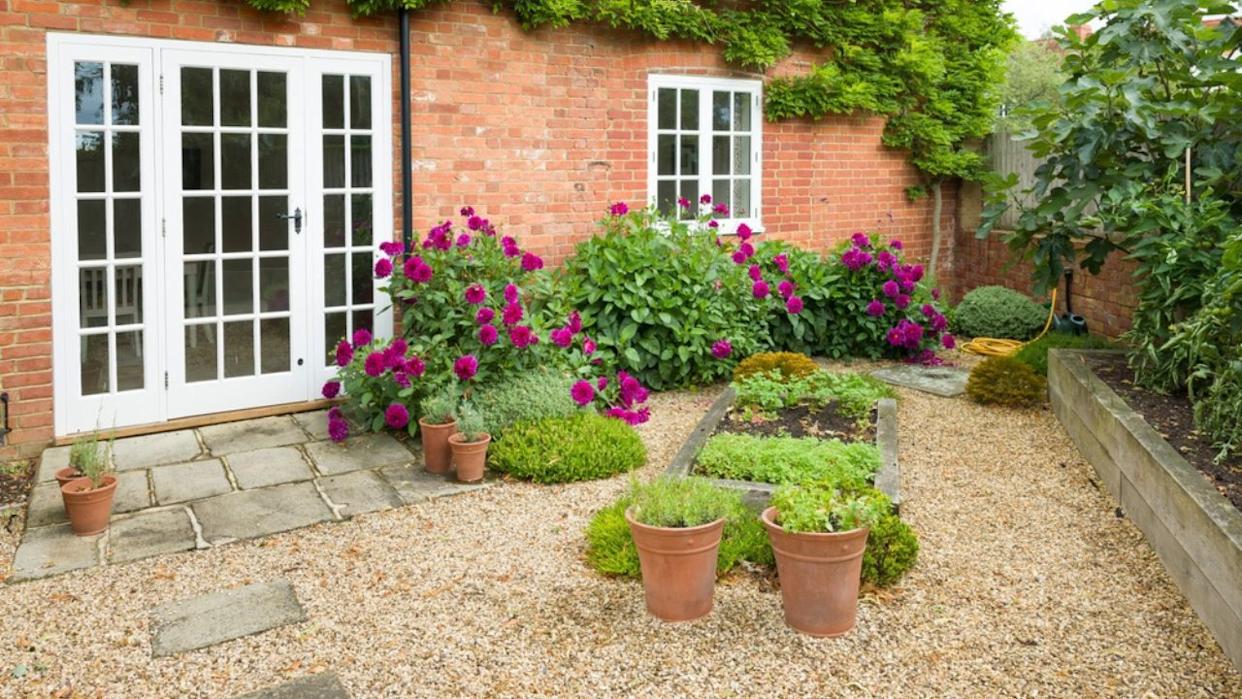
Image Credit: Shutterstock.
An annual National Trust membership pays for itself immediately if you plan to visit more than two or three gardens. Sissinghurst, Hidcote, Stourhead, Bodnant, and dozens more are all Trust properties. The RHS also operates five flagship gardens, including Wisley in Surrey, Rosemoor in Devon, and the spectacular Hyde Hall in Essex, with membership giving free entry to all.
Timing matters enormously. May and June are peak season for roses, wisteria, and the great herbaceous borders. Late spring (April–May) is when the Laburnum Arch at Bodnant peaks, and the bluebell woods across Kent and Sussex are breathtaking. Autumn offers the compensation of fiery color and the remarkable fruit and seed displays that many larger estates put on through October.
For logistics, Sissinghurst and Great Dixter are conveniently close to each other in Kent and can be visited on the same day from London. Take the train from Charing Cross to Staplehurst for Sissinghurst, then continue to Robertsbridge for Great Dixter. Note that Sissinghurst’s last entry is at 3:15pm, so start early.
“Great British Gardens lists over 500 gardens and positions itself as the leading resource for garden lovers planning visits across England, Scotland, and Wales,” according to the Great British Gardens website. This can be a useful guide if you’d like to stop at gardens on your trip, no matter where you are located.
So Many Gardens, So Little Time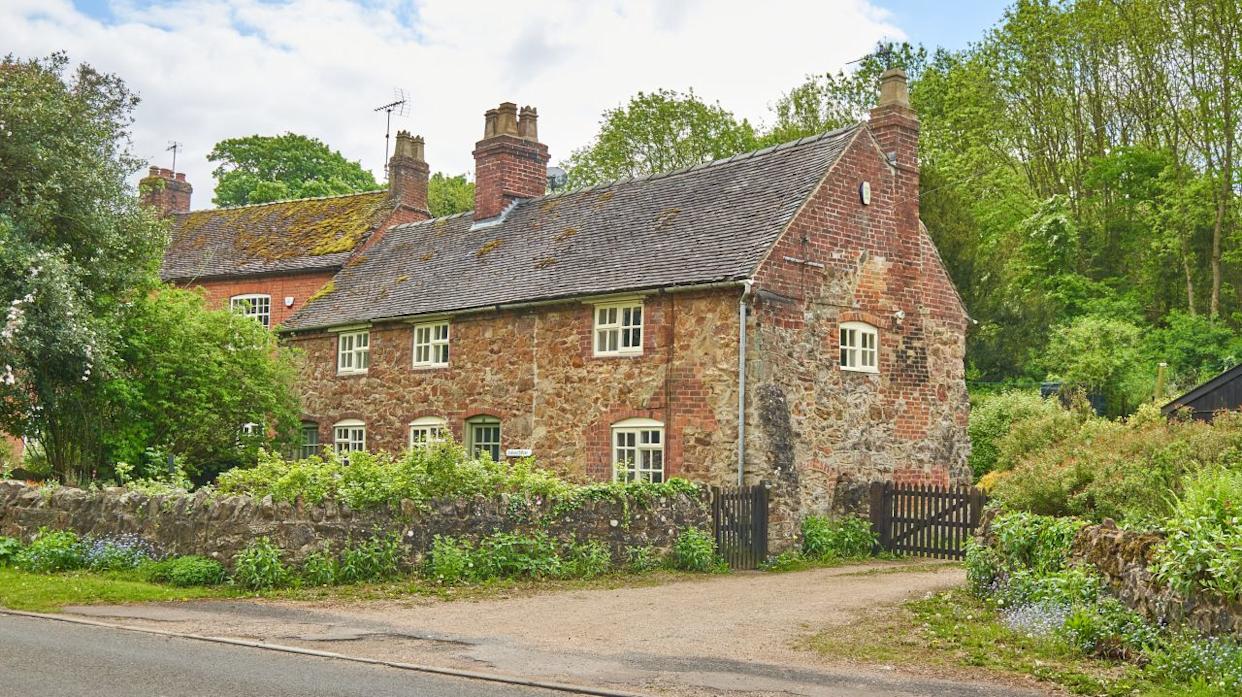
A charming village cottage and driveway in Ticknall, Derbyshire, England. Photo taken May 13, 2022. Image Credit: Multishooter / Shutterstock.
Garden travel in the UK rewards patience, curiosity, and a willingness to be detoured by beauty. The best gardens here are not just places where plants grow; they are arguments for a certain way of living. Book a membership, pack your walking shoes, and let the gardens do the rest.
Comments are closed.