
After a long winter, gardeners start to get a little impatient in March. That first deceptive stretch of mild weather comes, and suddenly the whole yard looks a little worse for wear. But don’t clean up your beds or cut back your perennials too soon, despite how productive it might feel. Part of the issue is timing, since the last frost has not passed yet in many places.
Depending on where you live, some perennials do well—or better—when trimmed back in March, while others rely on their old growth for protection or future blooms. We spoke with gardening experts to figure out which plants are ready for a tidy-up now and which ones are better left alone until later in the season.
Rebecca Sears, resident green thumb and CMO at Ferry-Morse
Mike Arnold, PhD, director of The Gardens and professor of landscape horticulture at Texas A&M AgriLife
Lotte Berendsen, plant and pest management expert at PlantIn
Black-Eyed Susan
Credit: Iva Vagnerova / Getty Images
The black-eyed Susan (Rudbeckia hirta) is a hardy native perennial known for its long summer-blooming season. “March is an ideal time to cut back black-eyed Susan if you left the stems standing over winter,” says Rebecca Sears, resident green thumb and CMO at Ferry-Morse. “This perennial dies back to the crown each year, and while dried stems provide winter interest and seed for birds, they can also harbor fungal spores and pests as temperatures warm.”
According to Sears, removing old growth in early spring improves airflow, reduces disease risk, and allows new basal shoots to emerge without obstruction. “Use clean, sharp pruners to cut all dead stems down to about two to three inches above the soil, taking care not to damage fresh green growth forming at the base,” she instructs. Clear away and discard any diseased plant debris.
Ornamental Grasses
Credit:
photohampster/getty images
Ornamental grasses include thousands of species and cultivars, and some common varieties are feather reed grass (Calamagrostis x acutiflora), switchgrass (Panicum virgatum), and fountain grass (Pennisetum alopecuroides).
“For the southern U.S., late February and early March are excellent times to cut back perennial ornamental grasses, which have died back during winter,” says Mike Arnold, PhD, director of The Gardens and professor of landscape horticulture at Texas A&M AgriLife. “The senescent foliage protects the crown of the plant from freeze damage during winter, but should be removed just prior to spring regrowth so as not to interfere with the new growth.”
Arnold suggests pruning them to about four to eight inches from the soil surface. If any clumps of dead tissue are present, remove them as needed. “This timing can be backed up to later in March as we move to the upper south and into early April further north,” he adds.
Hybrid Tea and Shrub Roses
Credit:
annick vanderschelden photography/getty images
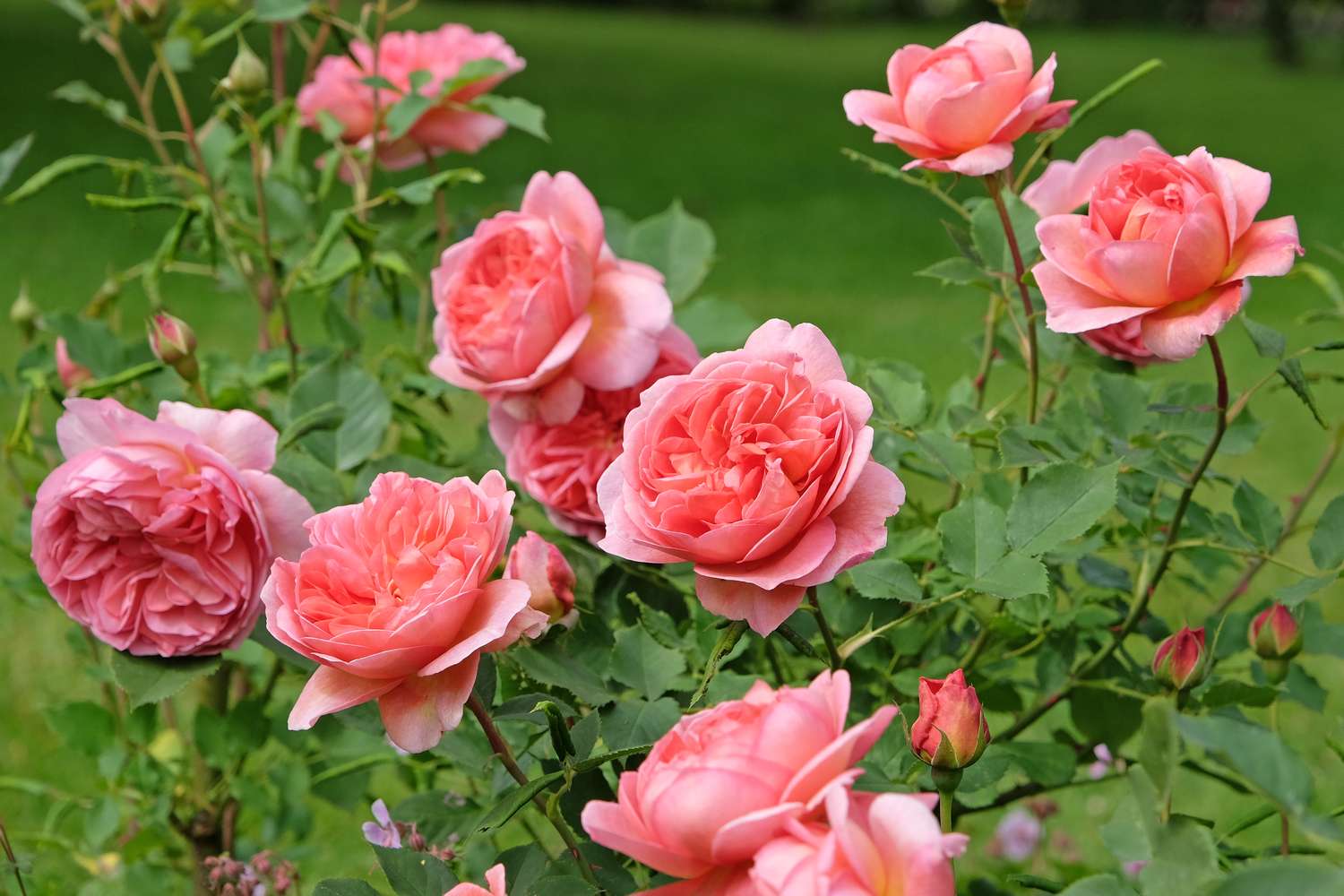
Roses come in many forms, including hybrid tea roses and shrub roses, both of which benefit from early spring pruning in warmer zones. “The early part of March is a good time to prune back any remaining roses that have not already been pruned,” says Arnold. “Typically, we would prune hybrid tea roses back to six or eight inches of green wood containing several buds. Shrub roses may be pruned back less severely to improve their shape and to encourage a denser canopy.”
But not all roses need a trim right now. Some gardeners prefer to prune climbing varieties later in the season. “Wait for your climbing roses to put out new growth to help you determine what parts of the plant are healthy,” says Lotte Berendsen, plant and pest management expert at PlantIn. “As new growth emerges, prune the branches that have no buds or are brown and discolored. If you prune when the plant is dormant, you may risk sacrificing healthy branches!”
Shasta Daisies
Credit:
OKRAD/Getty Images
Shasta daisies (Leucanthemum x superbum) are another perennial that benefits from an early spring cleanup. “Shasta daisies benefit from being cut back in March before active spring growth begins,” says Sears. “The old foliage often becomes matted and soggy over winter, which can contribute to crown rot and hinder healthy new shoots.”
According to Sears, trimming away this dead material encourages strong, upright growth and improves air circulation around the plant. Cut back all dead stems and foliage to just above the crown using sharp pruners, and remove all mushy or discolored material. “Early spring is also a good time to divide crowded clumps to maintain vigor and promote better flowering,” she says.
Dianthus
Credit:
Chris Burrows/Getty Images
Dianthus (Dianthus spp.), often called pinks, tends to hold onto its foliage through winter, which is why most pruning happens in the early spring. “Many varieties of Dianthus will stay evergreen in the fall and winter, depending on your climate,” says Berendsen. “Removing dying leaves in the fall can increase the plant’s susceptibility to winter damage. Hence, leaving them attached is recommended.” In early spring, clean up the plants by removing any dead and diseased leaves and pruning back browning stems.
Butterfly Weed
Credit:
leekris/getty images
Butterfly weed (Asclepias tuberosa) is a native milkweed that supports pollinators and monarch butterflies, and it is best cut back once you notice new spring growth. “Butterfly weed should be cut back in March, but only after you see signs of new growth at the base, since it emerges later than many other perennials,” says Sears. “Leaving stems standing through winter helps protect the crown and provides habitat value. Cutting back in early spring reduces overwintering pests and clears space for fresh shoots while still supporting wildlife during the colder months.”
Once new growth appears, trim old stems to about two inches above the soil, but be careful not to disturb the deep taproot. “This plant does not respond well to division or transplanting,” she adds.
Perennials You Should Leave Alone Right Now
According to Arnold, tropical perennials like cannas (Canna indica) or elephant ears (Colocasia esculenta) should be pruned back once the danger of severe frost has passed, typically in late March to early May, depending on your location. “For marginal tropical perennials, we try to allow the spent foliage to remain as long as the danger of severe frost is present to protect the crown of the plant from damage and to avoid stimulating premature regrowth, which might be injured by a late frost.”
You also want to avoid pruning woody perennials, like shrubs or trees, until they begin to sprout new buds, typically in April or May. That way, you can more easily determine which portions of the stems have died and which are likely to recover, Arnold says. Crape myrtles (Lagerstroemia indica), crimson bottlebrush (Melaleuca citrina), and azaleas (Rhododendron spp.) are good examples.
Other perennials to leave alone right now include bleeding heart (Lamprocapnos spectabilis), purple coneflower (Echinacea purpurea), lupine (Lupinus polyphyllus), and foxglove (Digitalis purpurea). In March, the new foliage can be sensitive to late frosts, and cutting too soon removes the protective material around the crown. In general, prune perennials in March if they have fully died back or if you notice new growth at the base, but wait if the plant relies on last year’s stems for insulation and isn’t growing yet.
Comments are closed.