
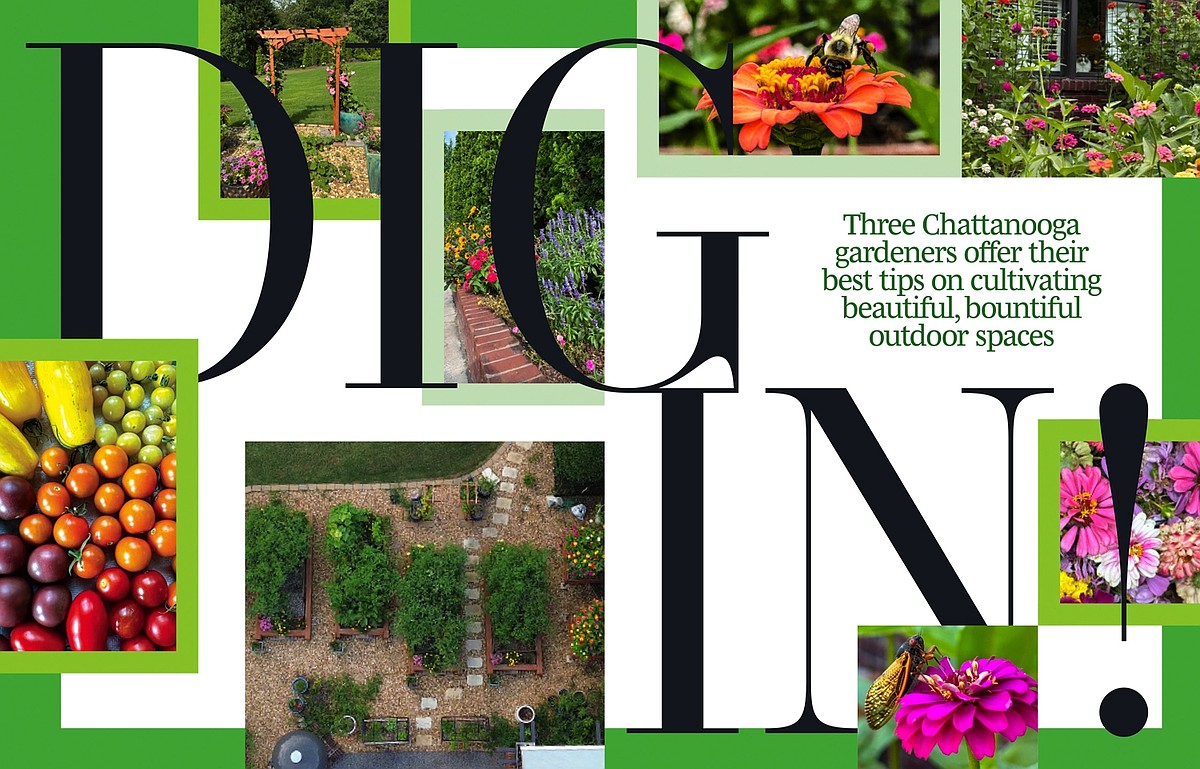
No one disputes the beauty of fall’s spectacular color, but as we say goodbye to the muted tones of winter, spring is about to put on a show of its own.
Autumn’s rich palette will soon be rivaled by a thousand shades of green, with flower blooms bringing pastels to the party.
Maybe it’s enough to just sit back and watch as spring replaces winter’s drab hues with life and brightness. Or you can immerse yourself in the great outdoors with a walk along the trails at Audubon Acres, Reflection Riding or a nearby state park. Or maybe this is the year you dig in and develop your own green thumb.
If you’re feeling led by nature, the real-world experience of other gardeners may offer inspiration. Here are a few tips to keep in mind.
DECIDE ON A THEME
Broadly speaking, gardening can encompass various kinds of cultivation — from landscaping for curb appeal to planting a three sisters garden (corn, beans and squash) in the backyard. Maybe you want to grow your own roses. Or attract pollinators. Or brighten a shady corner.
Some gardens cultivate more than plants. An art garden may incorporate sculptures or metalwork. A rock garden will frame the space with slabs of stone. A water garden adds a touch of tranquility.
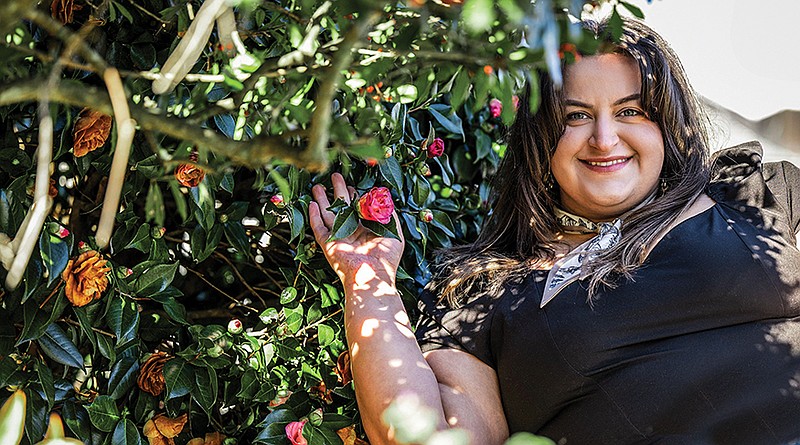 Staff Photo by Seth Carpenter / Master Gardener Hannah Lanning at First Cumberland Presbyterian Church on Tuesday, Jan. 20, 2026.
Hannah Lanning, a local Realtor and garden designer, has helped an East Brainerd client transform her yard into a sensory garden. It includes an evergreen privacy wall that helps block traffic noise, creating a soothing outdoor space for a child who has autism.
Another client in St. Elmo is getting rid of the lawn to create a “food forest.”
“They actually want to till all the grass and replace it with fruit trees, berry bushes, herbs and flowers — plants that will feed and nurture each other and that they can walk through and gather fruit from,” Lanning said. “Not a lot of people are totally willing to give up all their grass or lawn, but sometimes you come up with really fun things to do in the garden. You just have to conceptualize what to do.”
Retired journalist Pam Sohn gardens in the meadow of a 22-acre former apple orchard just outside Chattanooga. The native plants — butterfly weed, ironweed, scarlet bee balm and cutleaf coneflower among them — draw multiple species of pollinators.
Longtime community volunteer Becca Levin tends flowers and shrubs around her Chattanooga home, but her true joy is the assortment of vegetables out back.
“I don’t think I could be more passionate about my tomatoes and cucumbers,” she said. “A couple of years ago, I had 23 varieties of grape and cherry tomatoes growing.”
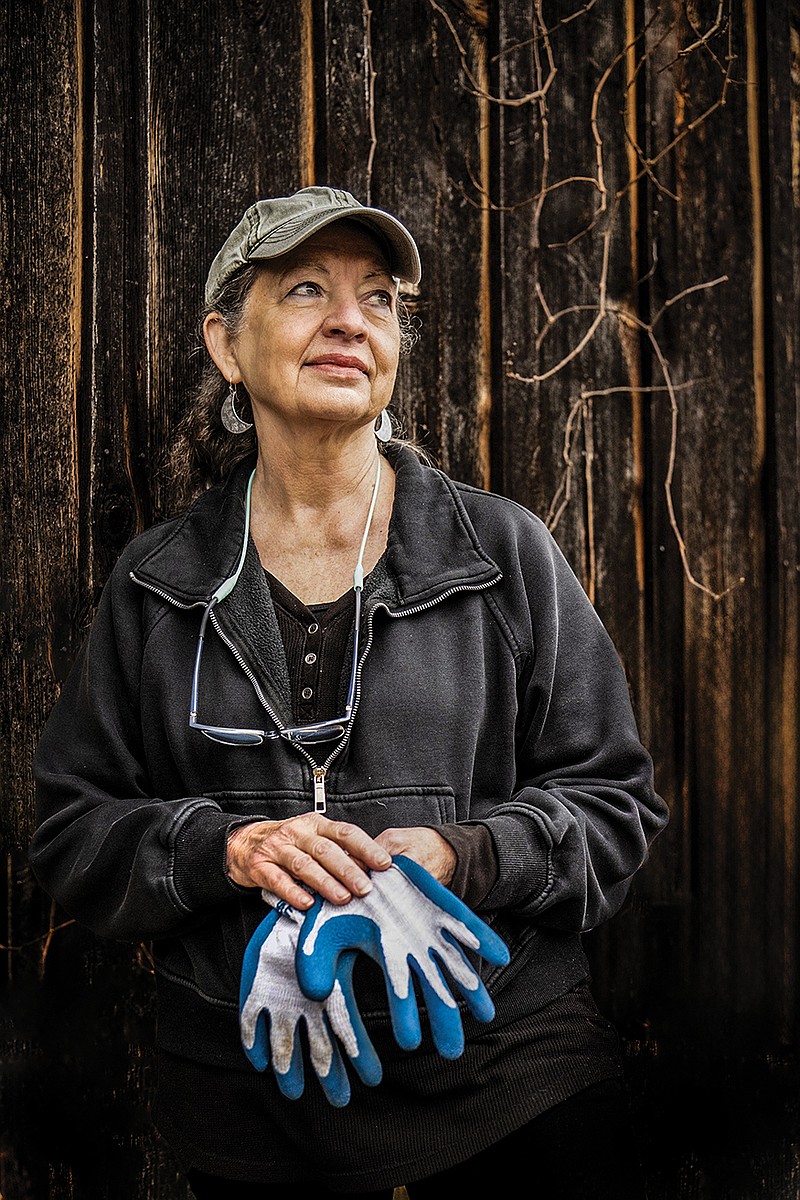 Staff Photo by Seth Carpenter / Gardener Pam Sohn at her Signal Mountain home on Thursday, Jan. 22, 2026
HAVE A PLAN
Sohn says she’s gotten better at this. “When I first started gardening — small scale, 20 or 30 years ago — I would go to a nursery or a big-box store and just buy willy-nilly. ‘This is really cute. Where should I put it?’ I didn’t have a plan.”
After she retired in January 2023, she hired an expert for advice. Fellow Tennessee Valley Wild Ones member Dennis Bishop, a professional landscaper, walked the property with her and pointed out where certain plants would thrive. They marked off sections with color-coded flags, like utility companies use, and Sohn noted where her aromatic aster or black-eyed Susans should go.
Levin has filled about 20% of her backyard with a neat vegetable garden growing in four raised beds on the ground and several more elevated on stilts. The raised beds better suit the upscale neighborhood and give her “more control for taking care of the soil,” she says.
She started the garden with the standards. “I began by going to big-box garden centers and selecting basic varieties — basic tomatoes, basic cucumbers,” she said.
It wasn’t until a friend introduced her to the Master Gardeners of Hamilton County program that she gained a deeper understanding of how to personalize her garden to what works for her and the climate. “You think you know what you’re doing, then you realize you know nothing,” she says.
In addition to a walk-through, Lanning presents her clients with watercolor images of the recommended planting guide. The scale models are color-coded with plant varieties noted in pencil.
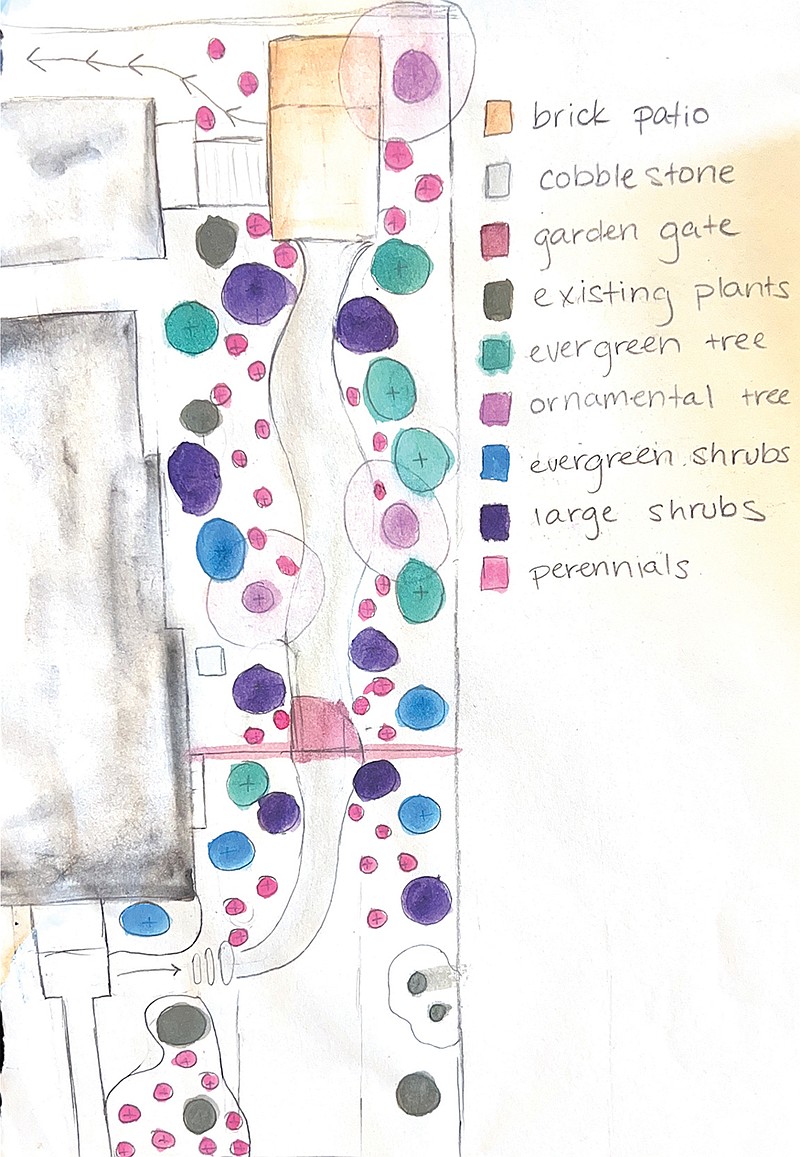 Photo contributed by Hannah Lanning / Hannah Lanning provides clients with watercolor guides and maps of her suggested garden designs.
“Here’s where you’ll plant a tree, and here’s where you’ll plant shrubs; here’s where you’ll plant herbs, and here’s where you’ll do all your flowers,” she explained.
“You have to ask yourself how you use your yard,” she said. “You have to ask how often, realistically, will you keep up with what you plant. Then you find ways to blend the garden into your lifestyle. There’s not a one-size-fits-all approach.”
CONSIDER NATIVE PLANTS NONNEGOTIABLE
Most longtime local gardeners are fervent advocates of native plants. Sohn said she heeds the advice of nationally known conservationist Doug Tallamy, who visited Chattanooga in October for Tennessee Valley Wild Ones’ inaugural Distinguished Lecture Series.
“His whole spiel is: ‘Native plants feed native birds, which eat native bugs.’ If there’s a chink in there, it throws off the ecology,” she said.
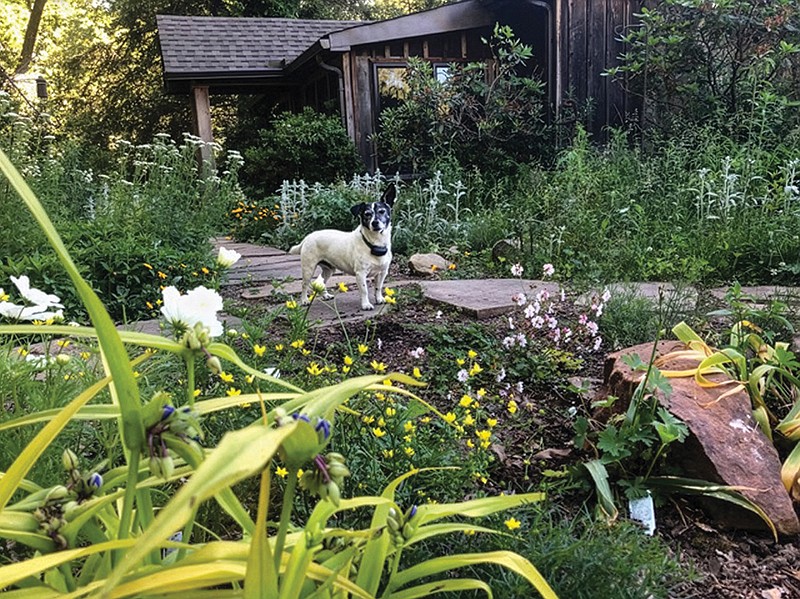 Photo contributed by Pam Sohn / Pam Sohn’s front yard is packed full of native plants, and it looks different every year.
Levin says even homeowners who have strict homeowner association rules can balance their pristine lawns, which are often chemically controlled to prevent weeds, with choices that are kinder to butterflies, birds and bees.
Native plants, she said, “not only benefit pollinators — you benefit from it as well. You get to see the hummingbirds and the butterflies coming to your yard. For my (flowering) annuals, I plan heavily around my pollinators — for their enjoyment and for mine.”
CONSULT THE EXPERTS
Novices don’t have to feel like they’re on their own when they take up the trowel. As a general rule, gardeners are generous with advice and plant cuttings. (And zucchini in the summer, among those who grow it.)
Chattanooga has numerous resources for gardeners. Tennessee Valley Wild Ones sponsors monthly educational programs, certification in native plants, and events including hikes, tours and native plant sales in spring and fall. Many offerings are open to nonmembers.
The Master Gardeners of Hamilton County, a University of Tennessee / Tennessee State University Extension program, offers monthly gardening classes, as well as a garden expo in the spring, a garden tour in the summer and a garden festival in the fall. The yearly classes to become a certified master gardener typically sell out.
To find gardeners in your neighborhood, the Tennessee Federation of Garden Clubs maintains a statewide list. District III, which includes the Chattanooga area, sponsors a special event each February that is open to the public. This year’s “A Day of Gardening” covered how to integrate fruits, vegetables and herbs into flower beds.
PRACTICE PATIENCE (AND OTHER VIRTUES)
Sohn said gardeners must remember the “sleep, creep, leap” adage that applies to many perennial plants. In that three-year growth cycle, the plants set their roots in the first year (sleep), slowly expand the second year (creep) and reach full size and bloom profusely in their third year (leap).
She had to take that advice to heart when she and Bishop plotted her property. She was starting from scratch with the new plantings.
“I got tired of looking out the dining room window and seeing briar weeds,” she said.
The project has taken months, and it’s still a work in progress. First, she covered the grassy expanse in cardboard, covered the cardboard with mulch and left it over the winter. The following spring, she brought in Bishop, who advised her to set out plugs.
“Plugs are little bitty plants,” she explained. “Not even as big as what you normally buy in a nursery. They’re 5 or 6 inches deep and an inch around at the top.”
She bought six flats with 50 plugs each. “I set out all those plugs,” she said. “You do the math.”
The first year, when the seedlings did little more than establish roots, “I lost my mind with it,” she recalled.
Luckily, the creep and leap stages have filled in the blanks. “It’s taken three years with those plugs to take off and look like a garden,” Sohn said.
Lanning, who has completed designs for about 60 clients since last spring, said the thrill is in watching the garden grow and develop.
“It’s definitely not about instant gratification,” she said. “Gardening reminds us to have patience.”
As a vegetable grower, Levin’s wait for her cycle of crops encompasses generosity as well.
“I grow so much that I love to share,” she said. “I give away buckets every week to my neighbors.”
The neighboring critters are also welcome to help themselves to the bounty. She might object if the deer she’s seen behind the fence were to totally take over, but she finds joy in watching cardinals sharing figs from her fig tree or a chipmunk munching on a blackberry or a squirrel “going to town on a Sungold tomato.”
“There’s nothing more delightful to me than looking out in my backyard and seeing a chipmunk who has borrowed my tomato having a snack,” she said. “It’s 98 degrees outside, and he’s cooling off with a tomato.”
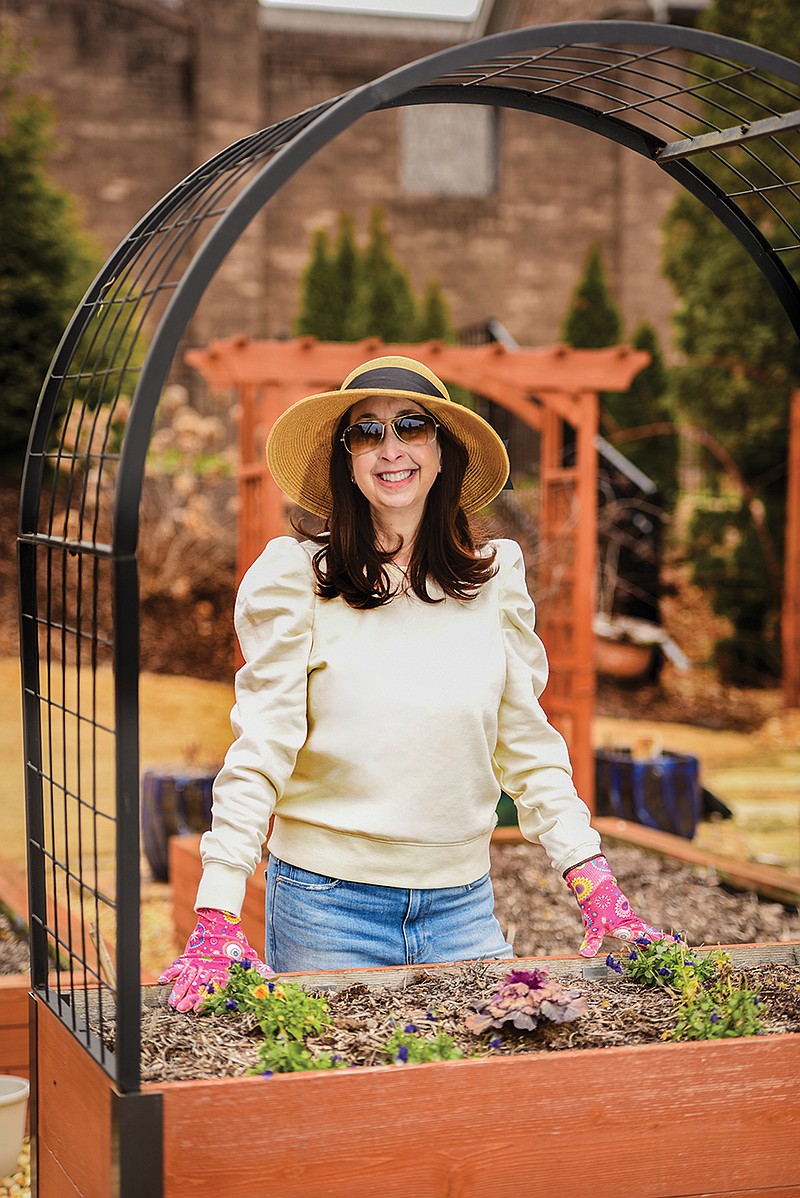 Staff photo by Matt Hamilton / Becca Levin in her backyard garden on Thursday, February 5, 2026.
Comments are closed.