
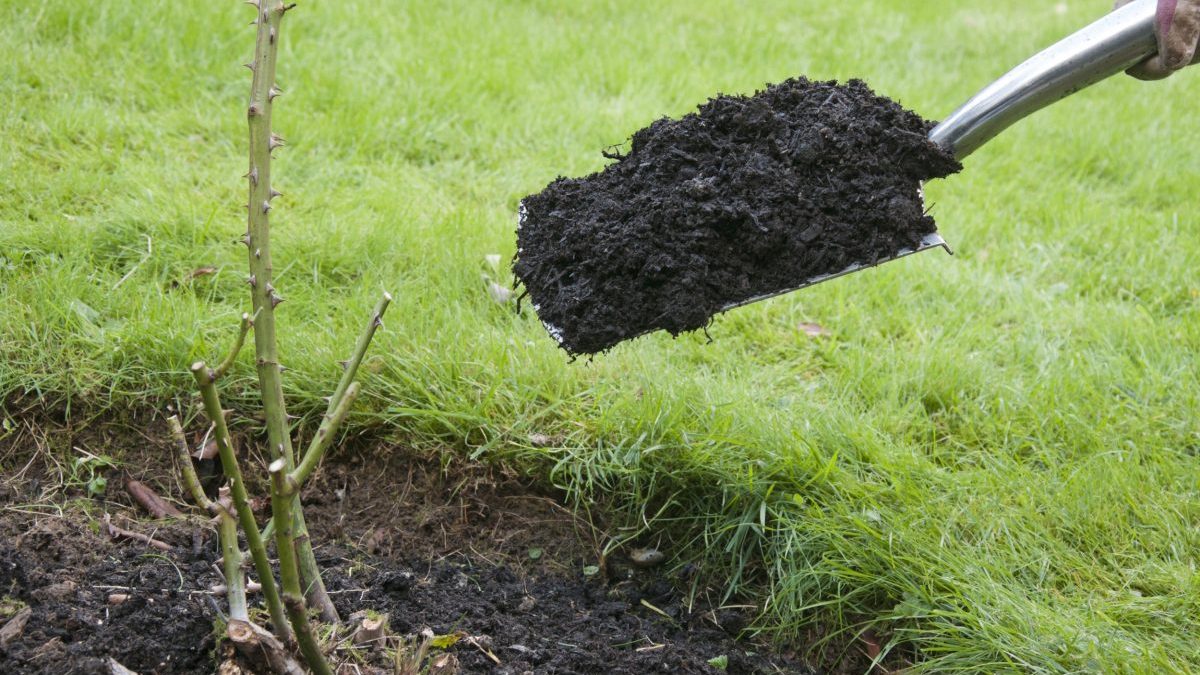
Getting the balance right between feeding and letting nature take its course is key to a healthy garden
Plants work their magic by using air, water, light and nutrients to grow, flower and fruit, as long as it is warm enough. From March light levels increase, the soil is full of water from winter rains, temperatures are on the rise, and – traditionally – gardeners buy and use fertilisers to ensure ample nutrients.
Soil is amazing stuff and, by its nature, always has some nutrients, while good gardening practices like mulch and manuring further increase the supply of nutrients.
New FeatureIn ShortQuick Stories. Same trusted journalism.
Phosphorus, potassium and especially nitrogen are the most important nutrients. Sulphur, magnesium and calcium are nearly as important, but in practical terms are seldom lacking in garden soils – except for magnesium in certain cases. Finally there are also trace elements needed in extremely small quantities; boron, copper, iron, manganese, molybdenum and zinc.
Shortages of trace elements are quite rare in gardens as the organic composts, manures and fertilisers that gardens use contain useful amounts of “impurities” that supply the trace elements.
There are good reasons to limit fertiliser use. Fertilisers have become expensive due to the Ukraine war and high energy costs. They can harm the environment, with production, packaging and transport having a significant carbon footprint, while nutrients from excess fertiliser – whether natural or synthetic – can pollute water.
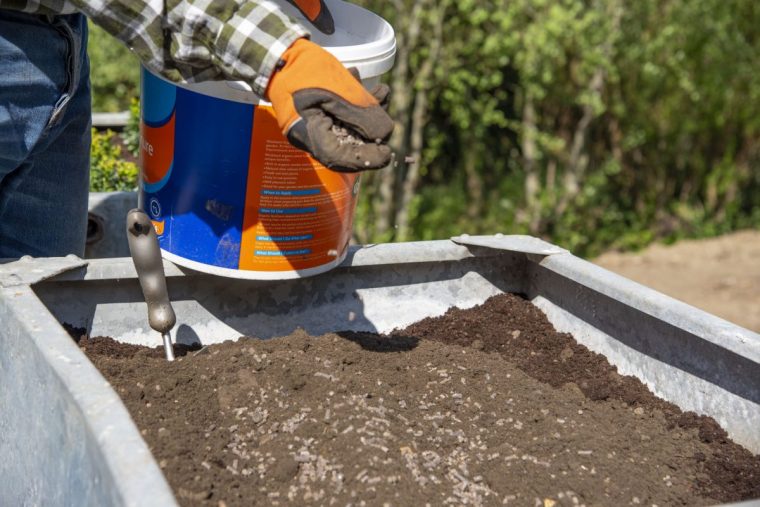 Adding chicken manure pellets to feed plants (Photo: RHS/Tim Sandall)
Mulching with compost, bark or other bulky materials reduces the need for fertiliser as the mulch releases nutrients as it rots, whether on the surface or when incorporated into the soil by soil organisms such as worms. A mulch of 5cm or more can suppress weeds and limit soil moisture losses by evaporation, reducing weeding and watering.
For many ornamental plants, especially trees and shrubs – including most fruit trees – mulch is sufficient. Overfeeding can be a nuisance once plants are established, increasing pruning and staking needs. Young plants often respond better to watering than feeding, as long as no weeds are present to steal water before it reaches their roots.
Plants that must grow swiftly include vegetables, bedding plants, dahlias and soft fruit. Traditionally their needs have been met by digging in manures and composts at about one or two bucketfuls per square metre topping up with fertiliser when needed. Exceptions with notably low fertiliser requirements include broad beans, carrots, peas and strawberries.
Where extra fertility is needed, use organic fertilisers such as dried poultry manure, fish, blood and bone and seaweed fertiliser.
Plant nutrients become less available in acid soils so it is good practice to use ericaceous (lime-hating) plants such as heathers or rhododendrons.
Alternatively, add sufficient lime to adjust the pH. Many soils in chalk or limestone districts are very alkaline (greater pH7) which is not ideal. They cannot realistically be acidified, but fortunately all but ericaceous plants do well enough on alkaline soils.
Comments are closed.