
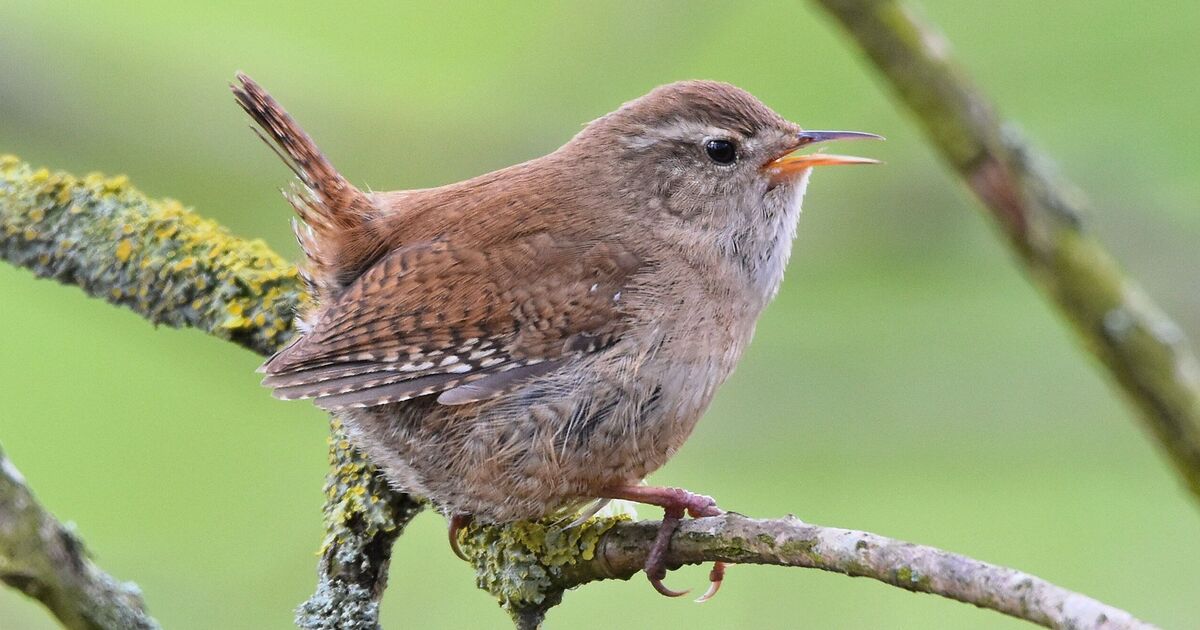
Spring is just around the corner, which will usher in the nesting season for birds in the UK. Nesting season typically runs from March to September, so if you’re looking to help encourage birds – particularly wrens – into your garden to make their home, you should consider the environment.
Wildlife and bird experts have explained why the choice of bird boxes is important if you want to encourage wrens to make a home in your garden. Ideal Home explained: “While there are plenty of fuss-free methods to attract birds to your garden, different species have different preferences, and wrens prefer deeper, open-faced bird boxes. Here’s why.”
James Ewens, wildlife expert from Green Feathers, told Ideal Home: “Wrens and robins are slightly different, nothing new there! Wrens like smaller, deeper, open-faced boxes because they mimic their natural, sheltered habitat. They also prefer to be lower down, around one to two metres off the ground, and hidden away in foliage – ideally tucked away into thickets, thorny bushes, or foliage to protect them from predators.
“Wrens prioritise safety like most bird populations, so think sheltered, dry, well-concealed, and hidden away in dense foliage for their protection and comfort.”
CJ Wildlife wrote: “An open-fronted nest box offers the perfect solution by mimicking the natural nesting sites these birds seek out in hedgerows, dense shrubs, and ivy-covered walls. These boxes provide a safe and sheltered place for birds to raise their young while protecting them from harsh weather and potential predators.”
Ensure our latest headlines always appear at the top of your Google Search by making us a Preferred Source. Click here to activate or add us as your Preferred Source in your Google search settings.
Open-fronted bird boxes can be used in a variety of gardens, whether you live in the rural countryside or a “small urban space”. Adding one of these to the garden will give wrens a secure home where they can rest, need and feed.
A benefit to open-fronted nest boxes is that it encourages natural nesting behaviour. CJ Wildlife explained: “Encourages natural nesting behavior by offering a space similar to those found in hedgerows and undergrowth.”
The RSPB explained that nesting and bird boxes can help rear the next generation of fine-feathered friends. When choosing a location for the box, it’s important to place them near to foraging sites, so the birds will be able to feast on invertebrates without being away from the nest for too long.
To help encourage wrens to nest in bird boxes, James recommended adding some fresh hay or a small handful of dry leaves or moss. RSPB advised to leave cleaning the next boxes now spring is getting close, as to not disturb the birds.
Instead, wait until the end of the nesting season to give the box a proper clean.
Comments are closed.