
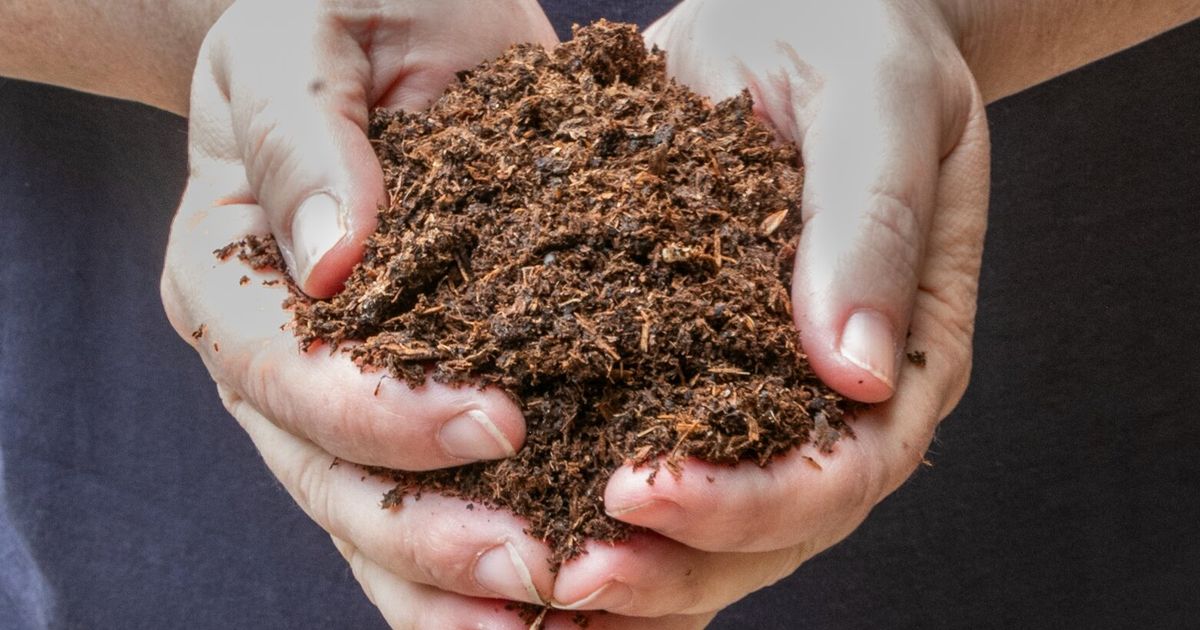
PEAT MOSS IS ENTRENCHED in the horticultural industry, and it’s been that way for generations. From commercial growing and lawn care to home gardeners looking to improve their soil and fill their containers, peat has long offered a solution for a variety of garden practices. But with growing global awareness about how balanced ecosystems contribute to the health of the planet, environmental experts are now asking gardeners to reduce or eliminate using peat in the landscape.
While peat is a naturally occurring resource, it isn’t functionally renewable on a human scale; it takes hundreds if not thousands of years for the material to accumulate. Anaerobic conditions prevent plants from fully decomposing, trapping carbon dioxide absorbed via photosynthesis. Peatlands cover a relatively small percentage of the world’s landmass, but they store nearly a third of the planet’s carbon.
Mining peat releases carbon into the atmosphere and, like an environmental accelerant, contributes to a warming climate — which, in turn, is drying out peatlands and making them vulnerable to wildfire, emitting further toxins.
While the scope of the risk is broad — peat is also used to filter municipal wastewater and sop up toxic spills — gardeners can make a difference every time we choose a sustainable alternative to this familiar material.
Sue Goetz is a professional horticulturist with ecoPRO certification from the Washington State Nursery and Landscape Association. “Read the labels on all your garden products,” says the Tacoma-based pro. Identifying how you’re currently using peat in the garden is the first step in choosing an appropriate alternative.
Peat is nearly ubiquitous in potting soil mixes, where it serves to provide drainage and boost water retention. As a substitute, Goetz suggests looking for products that contain finely shredded and composted fir bark or wood fibers, sustainable resources that also happen to be locally available.
Goetz acknowledges that moving away from peat has been slow. “There’s always a trade-off; it’s not a one-size-fits-all solution,” she says.
For years the garden industry has promoted coir, which shares many of the same properties as peat, as a viable substitute. A byproduct of the coconut industry, most coir comes from Sri Lanka, where it is processed in saltwater before being exported in compressed blocks. Before the product can make it to nursery shelves, however, it must be broken down and rinsed to remove heavy concentrations of salt, then dried again. The labor-intensive process and shipping distance complicate coir’s function as an eco-friendly choice.
Awareness breeds change, and change spurs innovation. Bainbridge Island gardener Grace Hensley is “obsessed” with finding alternatives to peat-based potting soils. The designer, who specializes in container plantings, finds coir-based potting soils to be hydrophobic, meaning they’re resistant to rewetting once the medium dries out.
In their search for peat and coir alternatives, both Goetz and Hensley mention dairy fiber as a potential peat replacement. In a process that’s already in place on many dairy farms, cow manure passes through a biodigester, where microbes break down organic waste to produce energy and reduce methane emissions. Byproducts include nutrient-rich liquid fertilizer and solids that are dried and sanitized, producing a lightweight fibrous product.
Goetz notes some in the horticulture industry are concerned about dairy fiber’s contamination from clopyralid, a potent herbicide that survives composting. Washington state bans clopyralid for home use and the product is heavily restricted in agriculture and rangeland where dairy cattle graze. Goetz is optimistic about further regulations and the future of dairy fiber as a peat substitute in bagged goods like potting soil.
Some landscape companies are consciously working to reduce or stop using peat altogether. Goetz says Walrath Landscape Supply in the South Sound sells peat-free soil mixes both bagged and in bulk. Pacific Topsoil — with locations in Seattle, Kenmore and Issaquah — sells bags of an organic all-purpose potting mix called “Beyond Peat.”
When shopping independent nurseries, look for brands like EB Stone and Kellogg that offer some peat-free products. In addition to reading labels, Goetz encourages gardeners to ask questions and express interest in purchasing sustainable alternatives to peat.
“When it comes to climate change and sustainability, the conversation has to start somewhere and I think home gardeners are it,” says Goetz. “Once they see the why — then we’ll get to the how.”
Lorene Edwards Forkner is the author of the newly published “Grow Great Vegetables Washington.” Find her at ahandmadegarden.com and at Cultivating Color on Substack.
Comments are closed.