
Ready for spring? Same! To get you pumped for warmer weather, we spoke to some experts on what you can plant in March for a gorgeous garden come proper spring. “March is actually a great time to plant because the ground is beginning to thaw and roots can grow before the heat of summer,” says Tammy Sons, founder and CEO of TN Nursery.
She says the hardiest perennials (suggested below) can usually withstand an unexpected late-spring freeze and then bloom as spring transitions into summer, and will look beautiful each and every year. “Try to plant a variety of different flowers that bloom at different times and have different heights,” she says. “This way you will have blooms from early spring to late summer without a lot of watering.”
But there are a couple of smart tips to keep in mind. “It’s important to monitor water during these early production times,” says Steven Engel, regional account manager at PanAmerican Seed. “Plants do not dry out as quickly under cold and cloudy conditions as they do in the heat of summer with higher light,” he says. “Keeping the plants too wet will cause disease issues. However, on sunny days, pay close attention if you’re growing within a cold frame. They can get very hot quickly, and plants can dry out in those conditions.”
Coneflower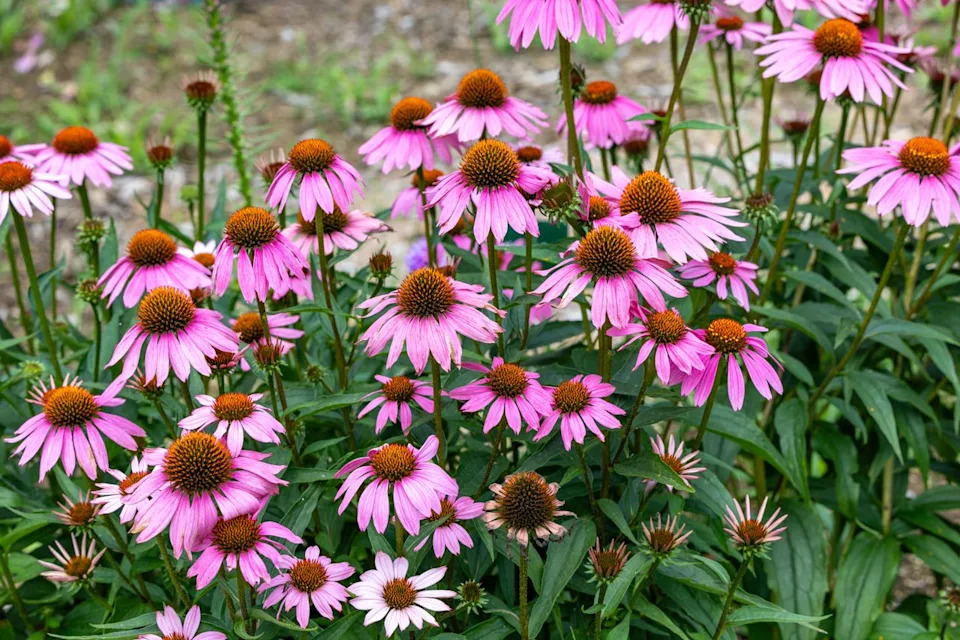
Credit: Photo by Valerie Loiseleux/Getty Images
Chris Ramos, planting and gardening expert at Blain’s Farm & Fleet, suggests planting coneflowers, aka echinacea, as they’re hardy perennials with daisy-like blooms that love full sun and are low-maintenance.
“Coneflowers have long bloom seasons and attract pollinators,” says Kelly Funk, president and CEO of Jackson & Perkins. “They are drought-tolerant once established, handle poor soil, and are easy to care for; they do best in full sun.”
Black-Eyed Susans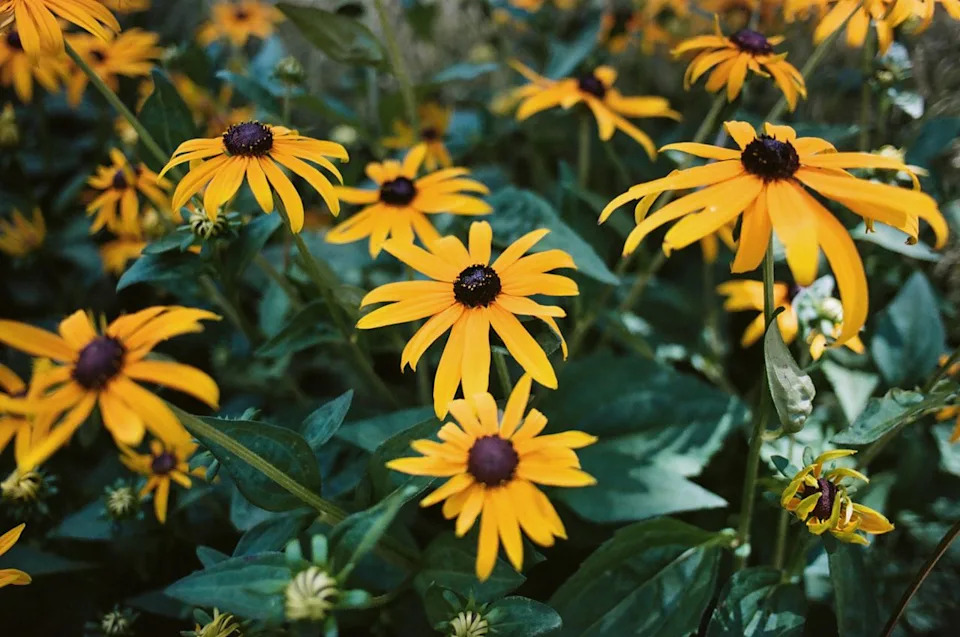
Credit: Photo by Grace Cary/Getty Images
“These are some of my favorite flowers for adding color to the garden and helping attract pollinators,” says Steve Corcoran, CEO of Lawn Love. “They have a long bloom period and will give you great color into the fall,” he says. “They’re also definitely low-maintenance. Just make sure their soil is well-draining and that they’re in a spot that gets full sun.”
Sedum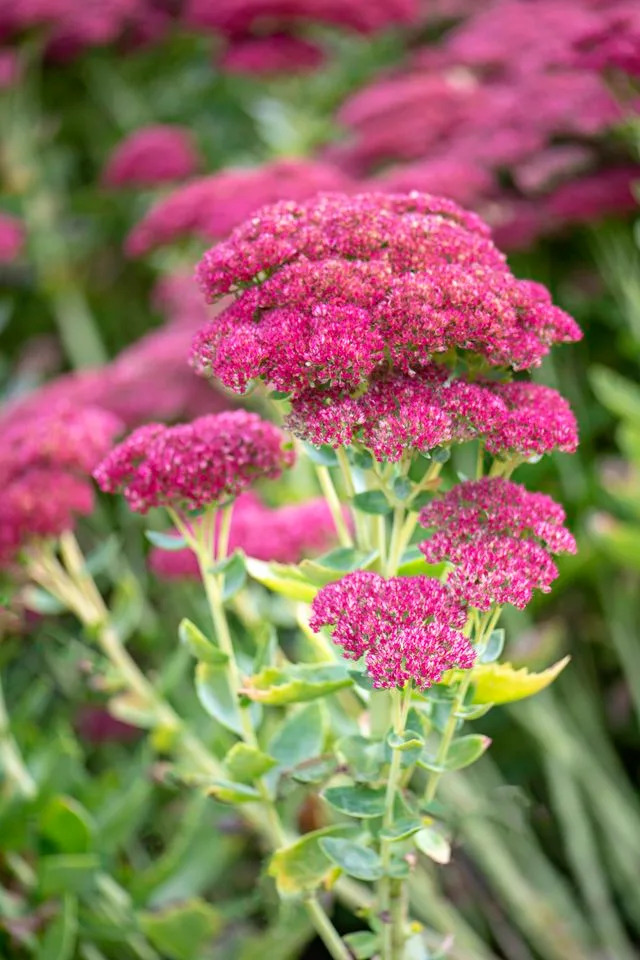
Credit: Photo by Jacky Parker Photography / Getty
Ramos suggests this succulent perennial, as it tolerates heat, drought, and poor soil with minimal attention. Plus, it blooms in lots of pretty colors!
Bellis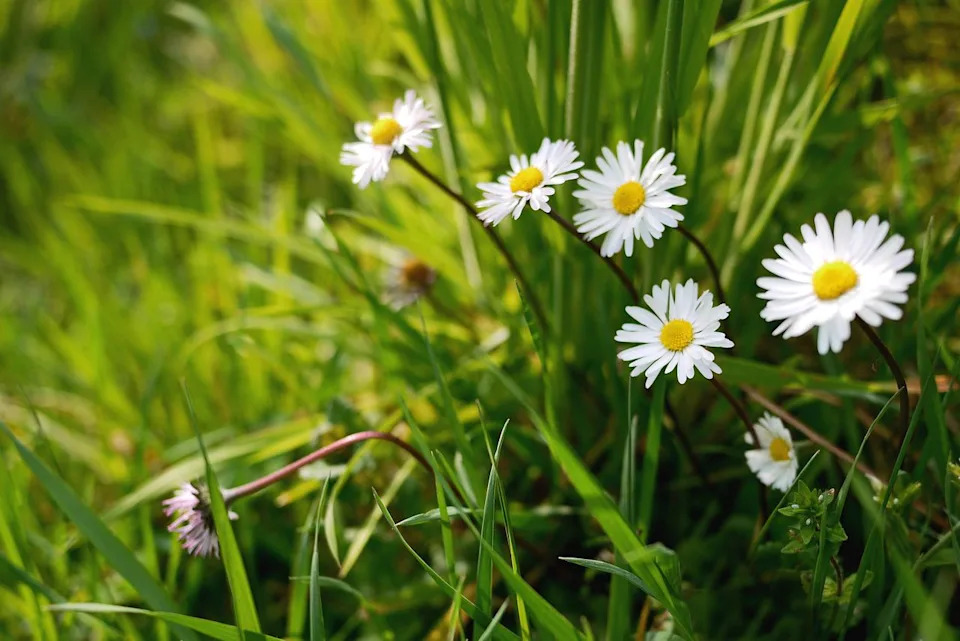
Credit: Photo by Rosmarie Wirz / Getty
“Bellis are early-season perennials that can easily be started in a cold frame,” Engel says. “They are one of the first items planted in the landscape in the spring, as they can withstand the cold and hold up to the extremes of the season.” And who doesn’t love a cheerful daisy!
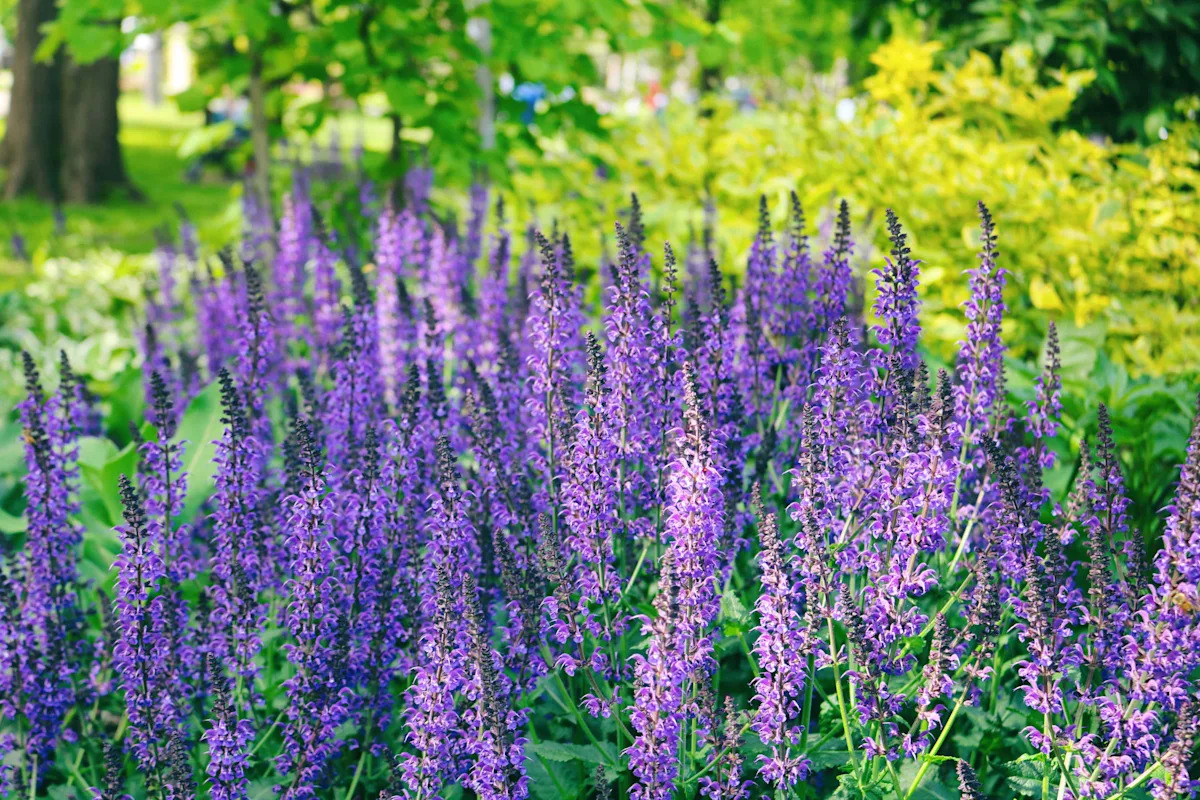
Salvia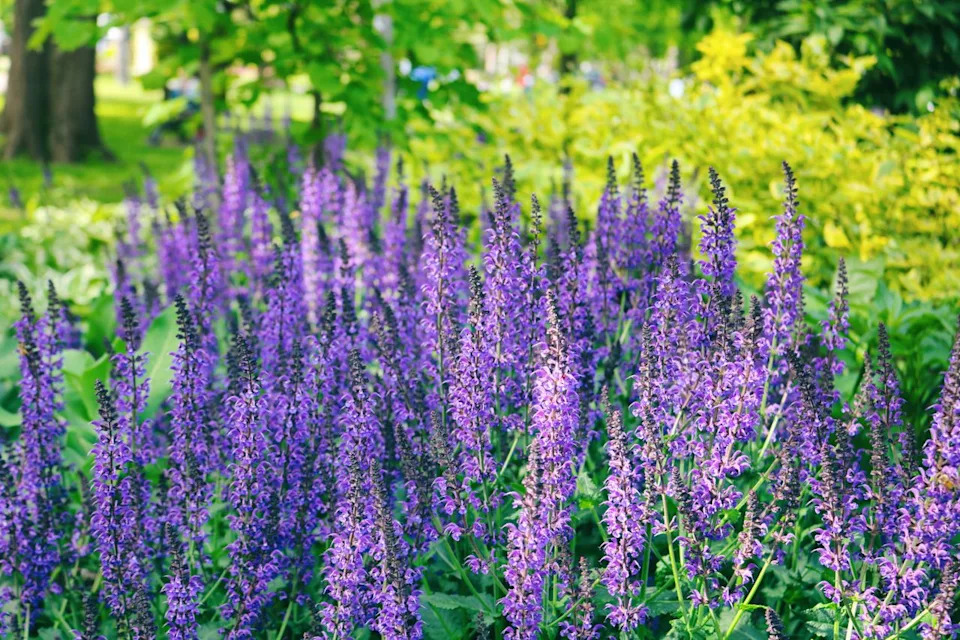
Credit: Photo by: Katrin Ray Shumakov/Getty Images
“Salvia is incredibly reliable and brings colorful blooms to your garden,” says Donna Letier, co-founder and CEO of the gardening and well-being company Gardenuity. “I also love how resilient it is and will thrive in the sun and heat.” She says that the name “salvia” actually comes from the Latin word salvare, meaning “to heal,” because so many salvia varieties have been used for culinary and medicinal purposes.
“This plant works beautifully in containers and is both hardy and reliable,” she says. “This is one of the easiest perennials to grow. It produces vibrant blooms that last well into summer and supports bees, butterflies, and hummingbirds.”
Daylilies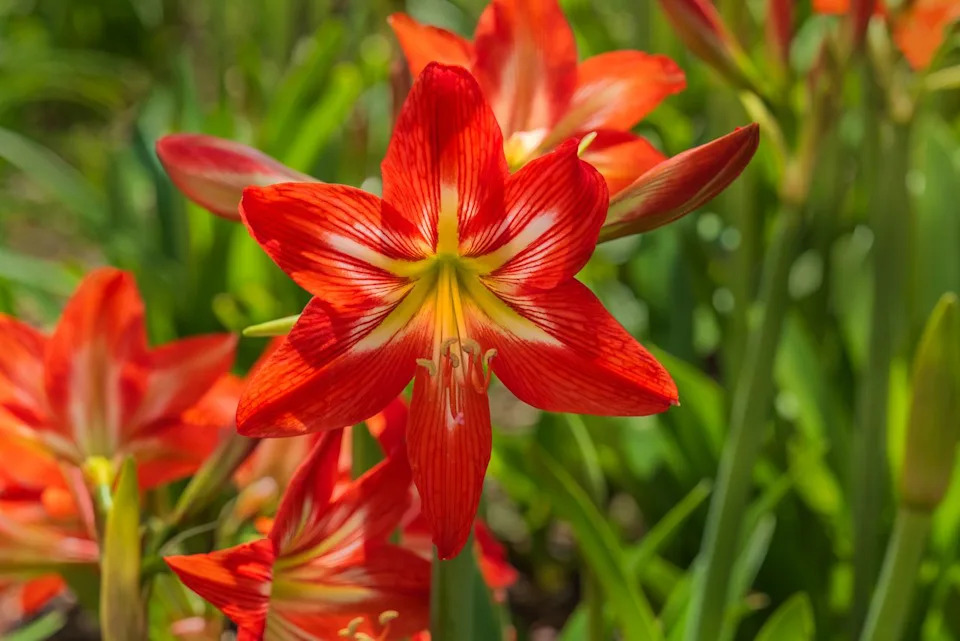
Credit: Photo by: Larry Mingledorff / 500px / Getty Images
“Daylilies are tough and adaptable, tolerating many soil types with minimal care once established, and they come back reliably, making them one of the easiest perennials to grow,” says Funk.
Edible Perennials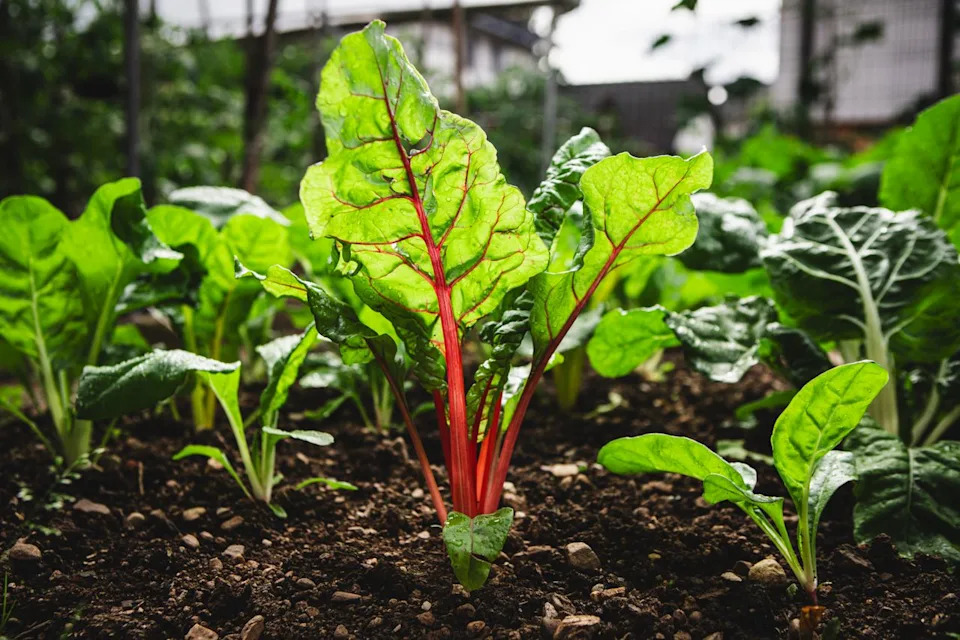
Credit: Photo by alvarez/Getty Images
Carmen Perr, garden-to-table content creator behind Carmen in the Garden, says to tuck in some edible perennials alongside your other perennials. “Asparagus, rhubarb, sorrel, chives, and rosemary are edible plants you put in the ground once, and they reward you for years, coming back every spring and producing straight through summer with very minimal effort.”
Read the original article on Real Simple
Comments are closed.