
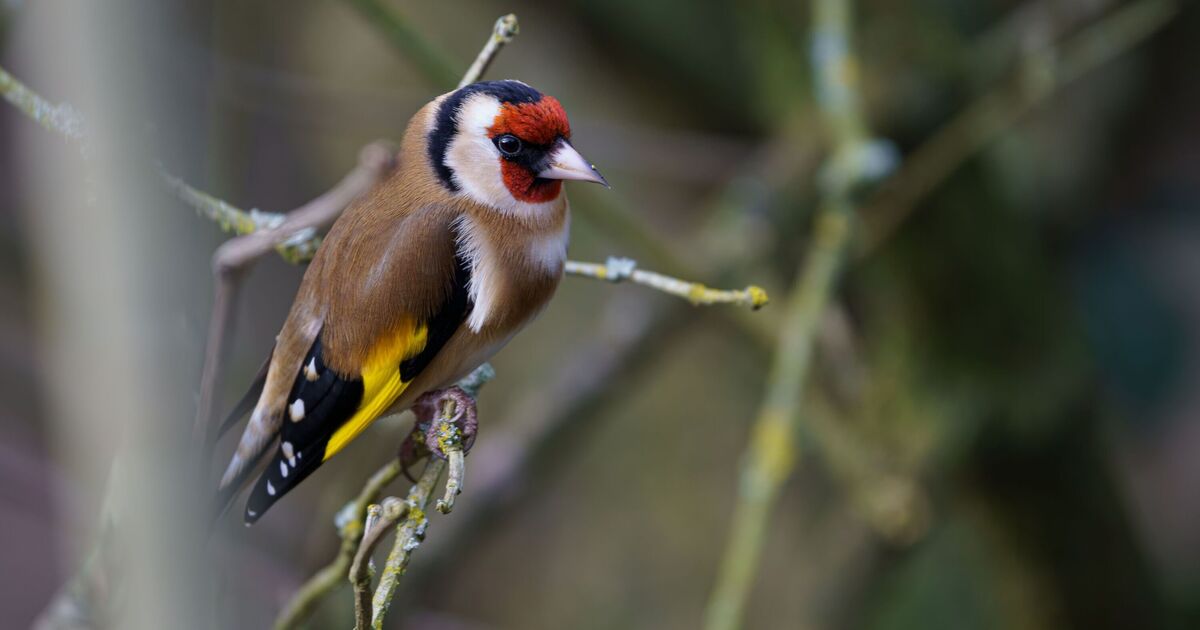
Around 30 bird species are considered regular garden visitors in Britain (Image: Getty) This article contains affiliate links, we will receive a commission on any sales we generate from it. Learn more
If you have invested considerable time in cultivating a pretty garden for the spring, it can be disheartening when birds fail to show up. However, there may be good news.
Specialists suggest you can turn your outdoor space into a haven for birds by introducing just a handful of simple features. The Royal Horticultural Society (RHS) states that more than 140 bird species have been observed in British gardens, yet only 30 are frequent visitors.
It may be surprising to learn that each species has distinct preferences, so understanding their favoured food sources is essential to making your garden more appealing.”If you need to use supplementary feeds, offer a mix of different foods and recipes to entice a range of birds,” experts at the RHS have explained online.
“Although fat is important, particularly in winter, also provide a grain mix or nuts to maintain a balanced diet. No-mess seed mixes are more expensive, but the inclusion of de-husked sunflower hearts means there is less waste and debris under the feeder. Inferior mixes are often padded out with lentils and wheat.”
Whilst there are various preferences to consider, specialists have emphasised the following essential points:
Blackbirds and thrushes favour over-ripe apples, raisins and other fruitsNuthatches, sparrows and finches favour sunflower headsWrens and small birds favour chopped animal fat and grated cheeseFinches favour berry cakesGoldfinches favour niger seedStarlings favour peanut cakesTits favour insect cakes
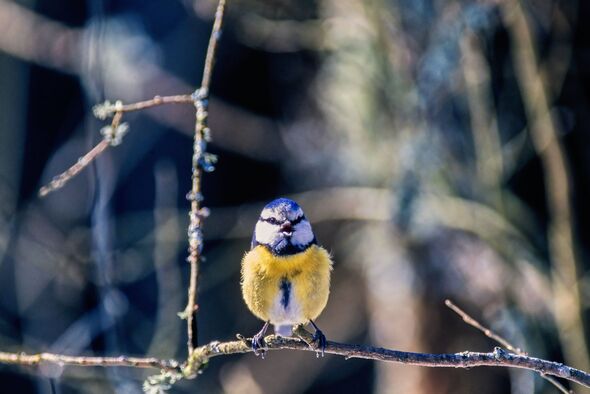
Many tit species favour insect cakes, according to experts (Image: Getty)
READ MORE: DVLA issues ‘think before you click’ message to millions of drivers
Placing food on a conventional bird table may attract larger birds, such as magpies, which can dominate the area, often at the expense of smaller species. Squirrels are also well known for pinching food and may even frighten birds away.
Whilst squirrels are clever and might occasionally slip through the bars of ‘anti-pest’ feeders, you can minimise this possibility by positioning them away from overhanging branches and other easily accessible points.
According to the Express, Jean Vernon, of Richard Jackson Garden, has also recommended: “Squirrels are rather partial to a lot of things in our gardens, especially the bird food. But they will also dig up tulip bulbs and eat them.
“They love apples, squash and sweet corn and collect masses of acorns, conkers and nuts. Why not feed the squirrels with a special feeder full of hazelnuts, then you get the best of both worlds, you can watch the birds and the squirrels too.”
Meanwhile, experts at the RHS have added: “A good population of birds in the garden is part of a healthy garden ecosystem, helping to keep caterpillars and aphids in check, which can damage garden plants.”
Ensure our latest headlines always appear at the top of your Google Search by making us a Preferred Source.
Click here to activate or add us as your Preferred Source in your Google search settings.
Comments are closed.