
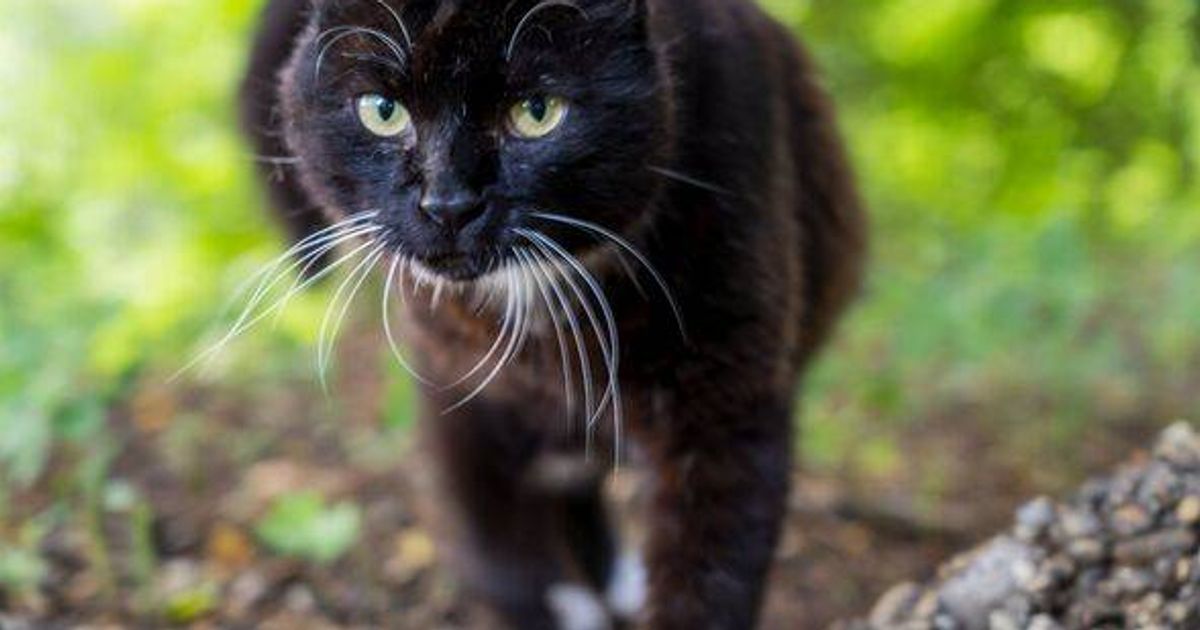
Cats can cause chaos in gardens – they rip up seedlings, attack birds, and leave unhygienic mess dotted around flowerbedsAlex Evans Deputy Audience Editor and Sam Dimmer East Midlands Head of Brand
06:49, 24 Feb 2026Updated 06:49, 24 Feb 2026
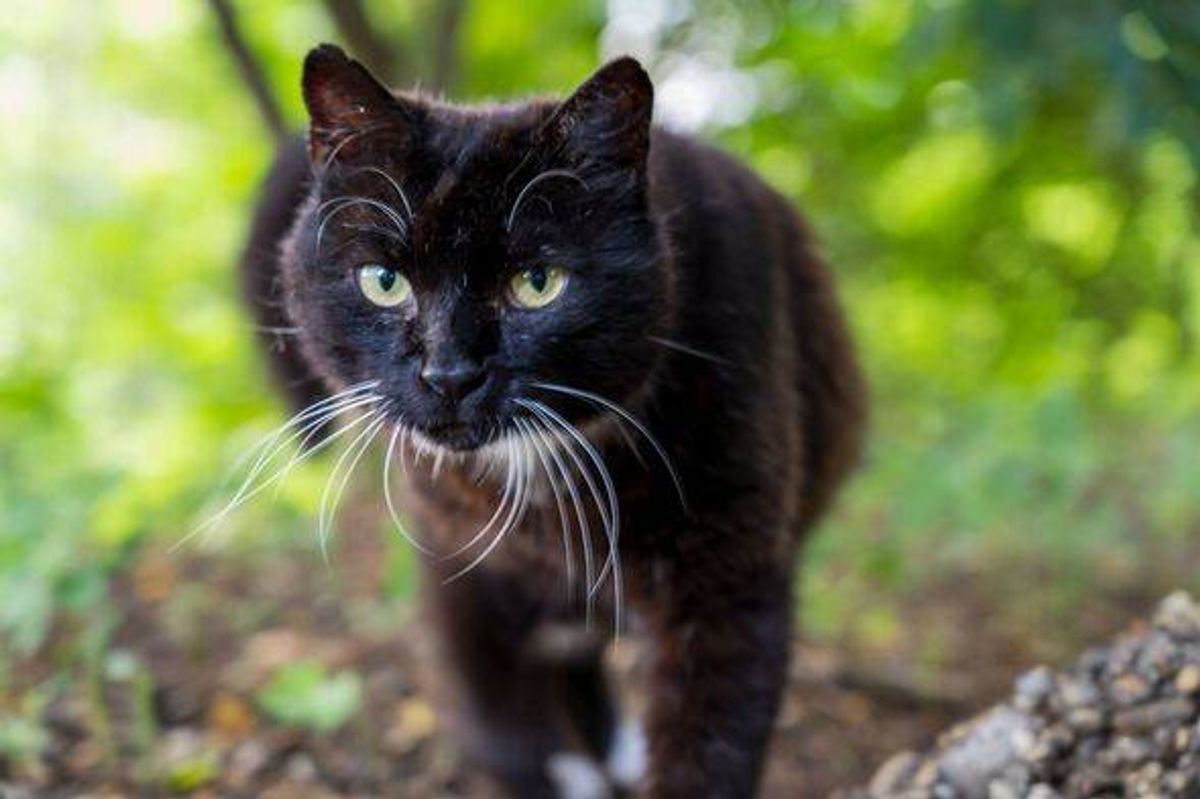
Cats will turn around and run in the opposite direction with one fruit(Image: Getty)
Many gardeners find themselves frustrated by cats invading their outdoor spaces, particularly when these uninvited feline visitors treat carefully tended raised beds as their personal lavatory.
Cats can wreak havoc in your garden – tearing up seedlings, threatening local wildlife and leaving unsanitary deposits scattered across your flowerbeds.
Despite the recent bout of harsh weather, with ice, snow and rain making outdoor life rather unpleasant, cats have remained undeterred in their garden invasions.
Even in the most disagreeable conditions, these brazen intruders can still be spotted loitering on lawns and patios.
For those who have grown weary of discovering unwelcome deposits in their garden, you may well have exhausted numerous remedies – from ultrasonic cat deterrents to specially formulated repellent sprays.
However, rather than spending money on dubious gadgets, there is a straightforward, entirely natural solution that gardeners have relied upon for years – and the answer may already be sitting in your kitchen.
Citrus peel, whether from oranges or lemons, serves as a remarkably effective cat deterrent. Gardeners have long championed this cost-effective and straightforward repellent, as cats simply cannot abide the scent.
The reason cats recoil from citrus peel is its overwhelmingly potent aroma.
The smell is apparently associated with potential threat in the feline mind, triggering an instinctive avoidance response, reports the Express.
Veterinary expert Dr Paola Cuevas explained: “Cats have an extremely sensitive sense of smell, and they can detect scents farther away than we humans can. Most cats also detest the scent of citrus fruits, like oranges. Therefore, they tend to steer clear of such fruits.
“An unpeeled orange won’t bother your cat that much, but the oils in the orange peel are sure to turn a cat around and make them go in the opposite direction.
“The easiest and seemingly most effective way to deter cats with the help of orange peels is to simply gather a few peels and layer them in the soil around the plants, trees, and foliage that you don’t want any cats messing with.
“But you must do this regularly to keep cats away indefinitely. If you cannot keep up with the process of adding and removing orange peels in your gardens, consider making an orange peel spray instead. You can then spray the leaves, stalks, stems, and trunks of trees, plants, and foliage that you want to deter cats from a few times a week.”
An additional advantage is that the peel decomposes into the flowerbed, enriching the soil – meaning you’re simultaneously keeping cats at bay whilst nourishing your plants and flowers. However, take care not to overdo it, as excessive use could increase soil acidity.
Alternatively, you could create an orange essence spray in a bottle and apply it throughout your garden at strategic locations. Refreshing the orange zest or peel every few weeks should maintain a cat-free zone at minimal expense.
When it comes to plants, felines tend to avoid lavender or potent herbs such as mint, though citrus peel from oranges is likely the easiest and most successful deterrent.
Comments are closed.