
#herbs #weeds #plants #edible wild plants #traditional agriculture
🌿“Learn how to identify edible weeds you can eat in your backyard — beginner-friendly foraging tips.”
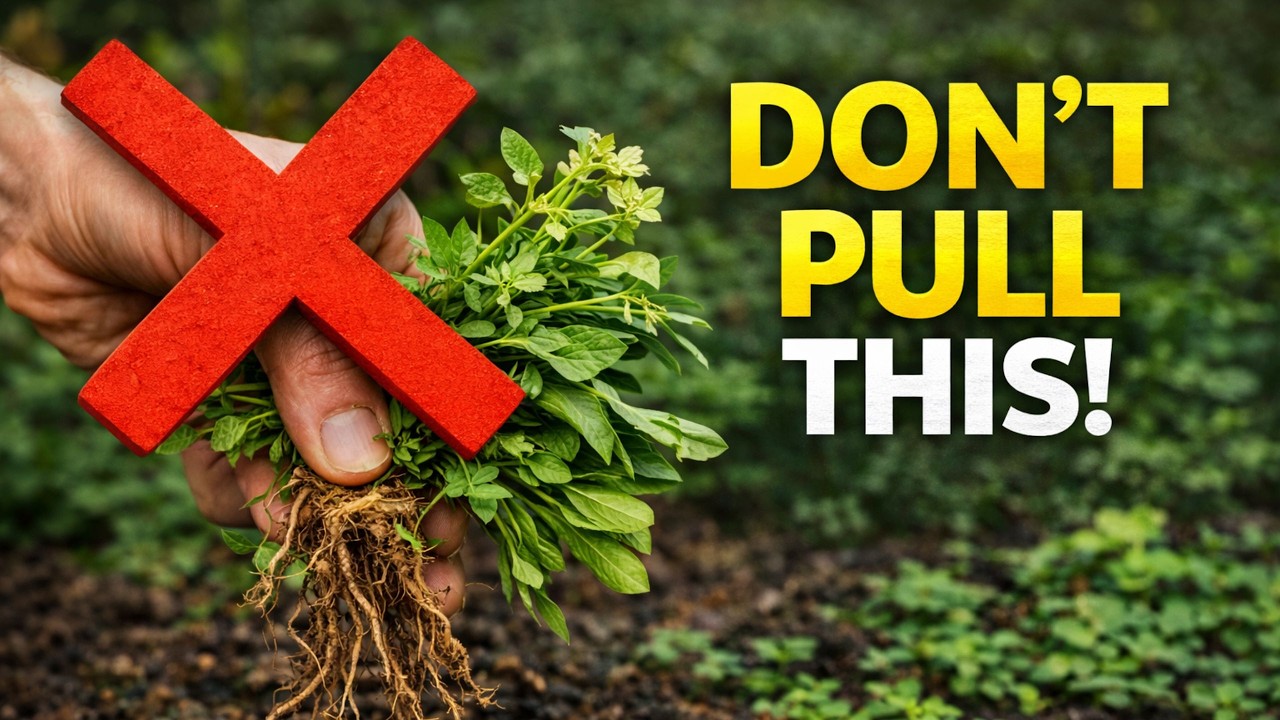
Many common backyard “weeds” are actually edible wild plants packed with nutrients and traditional value. In this video, we explore 20 edible weeds that grow naturally in gardens, pathways, and open soil — plants that can support natural living, backyard foraging, and greater self-reliance.
Here are the 20 edible wild plants featured:
✅ Dandelion – Entirely edible plant rich in vitamins A, C, and K. Leaves, roots, and flowers have long been used in traditional herbal practices.
✅ Purslane – A succulent wild green known for its omega-3 fatty acids and refreshing, slightly lemony flavor.
✅ Lamb’s Quarters – Often called wild spinach, this nutrient-dense green is high in minerals and protein.
✅ Chickweed – A tender edible weed commonly used fresh in salads and traditionally valued for its soothing properties.
✅ Plantain (Plantago) – A resilient backyard plant with edible young leaves and a long history of traditional use.
✅ Wood Sorrel – Recognizable by its clover-like leaves and citrus flavor, often added to salads in moderation.
✅ Stinging Nettle – Once cooked, this wild plant becomes a highly nutritious green rich in iron and calcium.
✅ Wild Amaranth – Edible leaves and protein-rich seeds make this fast-growing plant a valuable food source.
✅ Mallow – Mild-flavored leaves traditionally used in cooking and herbal preparations.
✅ Clover – Edible flowers and leaves, commonly used for herbal teas and soil improvement.
✅ Curly Dock – Young leaves can be cooked as greens; roots have historical herbal uses.
✅ Garlic Mustard – An edible invasive plant with a mild garlic flavor, often used in pesto and soups.
✅ Wild Violet – Edible leaves and flowers that add color and nutrition to salads.
✅ Shepherd’s Purse – A common field plant with edible young greens and traditional applications.
✅ Miner’s Lettuce – A tender, mild wild green historically consumed for its nutrient content.
✅ Wild Garlic – Aromatic edible leaves and bulbs used like cultivated garlic.
✅ Daylily (Buds and Flowers) – Edible buds and blossoms often used in culinary dishes.
✅ Japanese Knotweed (Young Shoots) – Tart, rhubarb-like shoots harvested in early growth stages.
✅ Wild Mustard Greens – Peppery edible leaves rich in vitamins and easy to sauté.
✅ Burdock Root – A traditional root vegetable used in various cuisines and herbal practices.
⚠️ Always ensure proper identification before consuming any wild plant. Some edible species have toxic look-alikes. Harvest responsibly and avoid areas exposed to pesticides or contamination.
If you’re interested in edible weeds, wild edible plants, backyard foraging, and natural self-reliance, subscribe to Silent Mask for more in-depth plant knowledge and practical insights.
#urbanforaging #edibleplantsinyourbackyard #commonedibleweeds #survivalfoodplants #freefoodinyouryard
👍 If you discovered a new edible plant today, consider liking the video.
💬 Let us know in the comments which wild plant surprised you the most.
🔔 Subscribe to Silent Mask for weekly insights into edible weeds, plant knowledge, and practical natural living.
Comments are closed.