

Lavender often looks grey and lifeless at this time of year so gardeners are being asked to check their plants to make sure they have survived over winter.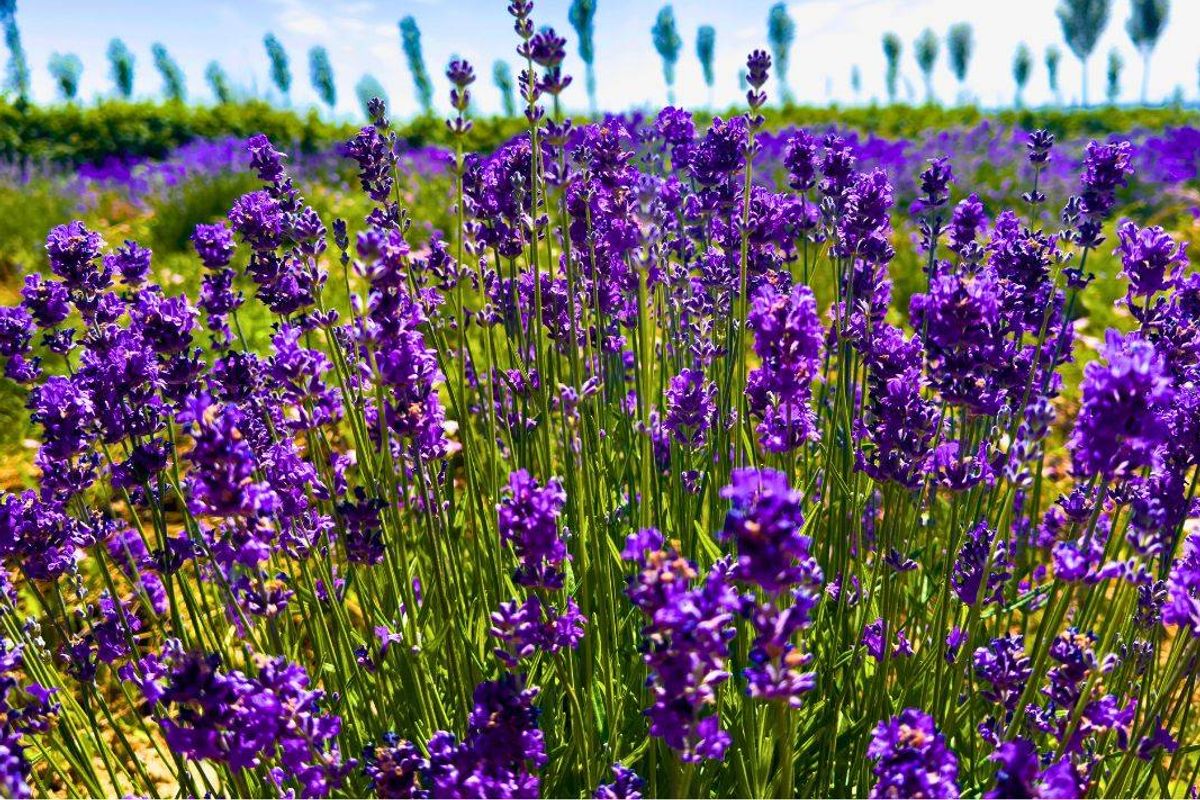
Gardeners need to be careful when checking lavender plants in late February(Image: Getty)
Spring is just around the corner, and whilst gardens are gradually greening up, your lavender might still be looking a bit drab and lifeless. Whilst many plants retreat over winter for various reasons, lavender is a tough cookie, and garden enthusiasts are urged to hold fire before writing it off as dead.
At this time of year, lavender enters a semi-dormant phase, biding its time until warmer climes arrive before sprouting new shoots. The early spring can therefore be misleading, leading many gardeners to prematurely uproot their lavender, mistakenly believing it’s past saving.
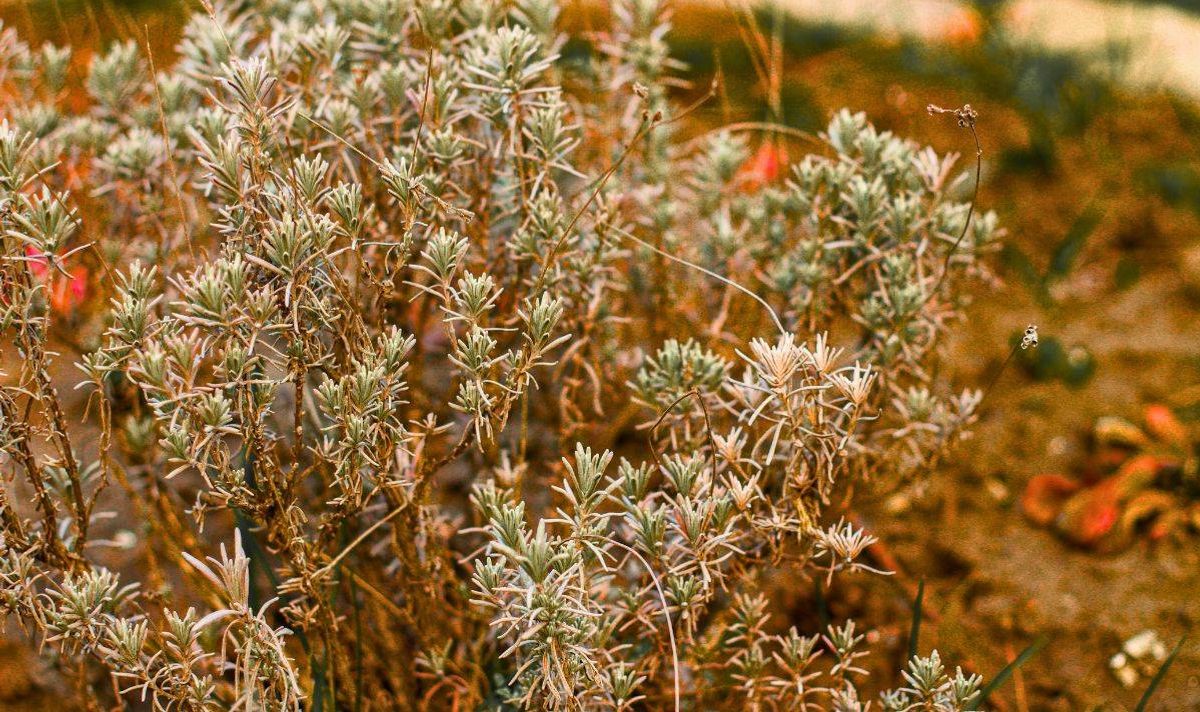
If your lavender looks brown and dead then do not dig it up just yet(Image: Getty)
Rebecca Olson, a farmer and co-owner of Lavender Connection, advises that the key to determining whether your lavender has weathered the winter lies not in the top of the plant, but in its woody base.
She explained: “If the plant still looks brown (no green) in the spring when your other plants are showing signs of life, there’s a chance it didn’t survive. However, be sure to check carefully, not just at the tips of the visible stalks, but down towards the base as well.”
All you need to do is take a closer look at the bottom of the plant, focusing on the wooden stems where fresh green shoots often make an appearance come spring, reports the Express.
You can gently scrape the bark of a woody stem with your fingernail, and if you spot any green beneath, then your plant is very much alive and kicking.
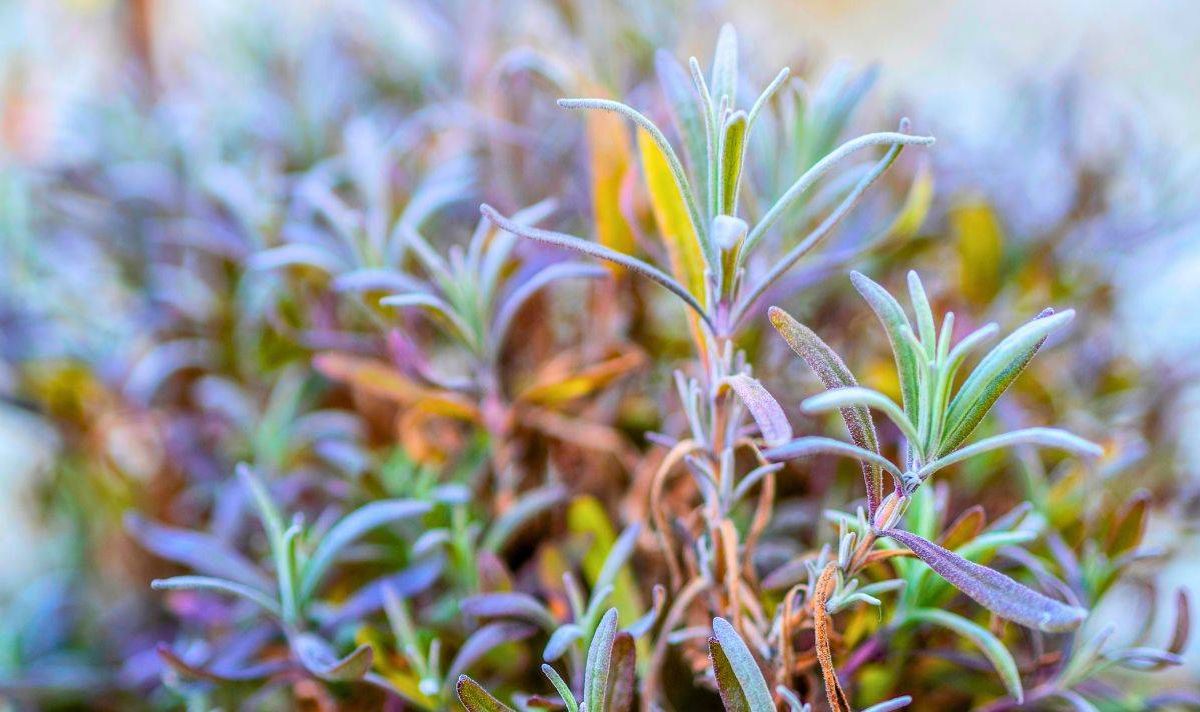
Make sure to thoroughly check lavender for any green stems or buds in spring(Image: Getty)
If there’s no sign of greenery on your plant, try this simple test: carefully snip a small section of stem near the bottom and give it a feel.
Living stalks ought to be bendy and supple, whereas dead stems will be brittle and snap with ease. That said, it’s wise to check multiple stems just to be sure.
Bear in mind that if you skipped pruning your lavender last year, older stems might be holding back fresh growth and flower buds, so a gentle trim could do the trick before you write off the plant entirely.

Lavender can take a while to look alive in spring so be patient and give it time(Image: Getty)
One last check that’s always worthwhile is examining the roots by gently lifting part of the plant. Healthy lavender roots ought to be white and sturdy, but if they look squishy, blackened, parched, or crumbly, that’s typically a sign the plant has perished.
That said, lavender generally takes its time waking up after the winter months, so hold fire until at least mid-spring before you think about digging it up and chucking it out.
English lavender typically springs into action when daytime temperatures consistently hit around 10°C, which can happen anywhere from March through to April.
Other varieties, such as French and Spanish lavender, prefer milder conditions and often don’t stir until late April or early May, so it’s worth giving them a bit more patience.
Comments are closed.