
Kseniya Ovchinnikova / Getty Images
Key Points
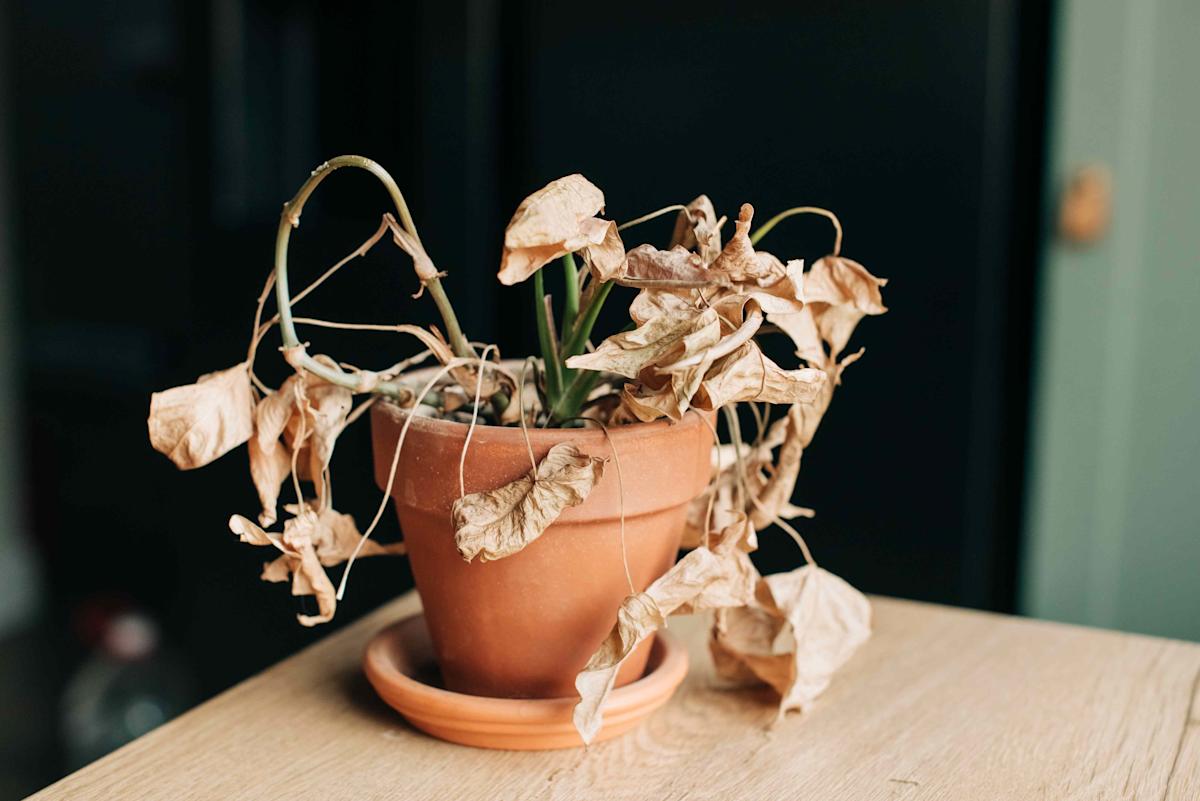
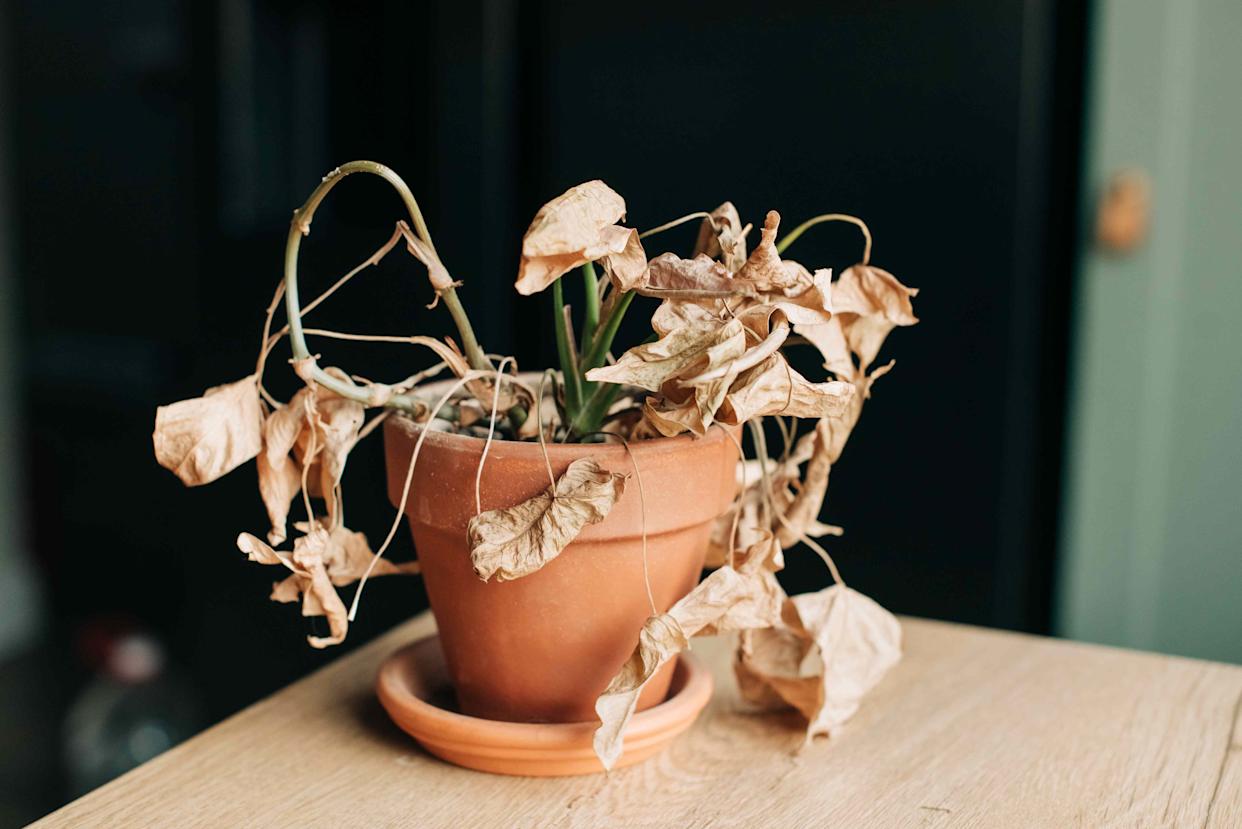
Plants that look dead in winter may be struggling to stay alive or simply dormant.
Check for any green foliage and examine the root ball before tossing a dead-looking plant.
Cut back dead growth and rotten roots, treat the root ball, and repot to revive a struggling houseplant.
Winter can be tough on houseplants, but don’t go throwing out a dead-looking plant just yet. Some plants go into winter dormancy, in which new growth stops and appearance suffers—and then there are plants that are really on their way out due to issues like underwatering, overwatering, or lack of light.
Before you admit defeat, there are several steps you can take to assess a struggling indoor plant, treat it, and maybe even revive it.
Here’s what to do with dead plants in winter before you toss them, according to professional plant experts.
Meet the Expert
Alex Wertley is the greenhouse team lead at Primex Garden Center in Glenside, Penn.
Look for Green
Start by taking a look at any remaining foliage on your plant. Any remaining green, living leaves or stems are a good sign that your plant is still hanging in there.
“If there’s even the slightest bit of green, there’s still a chance,” says Alex Wertley, greenhouse team lead at Primex Garden Center.
Cut back any dead leaves with clean, sharp scissors or pruners to help encourage new growth as the days get longer.
If your plant is showing signs of stress but still has plenty of healthy foliage, it’s also a good idea to take a cutting so you can propagate a new plant if this one goes downhill.
Check the Roots
Once you’ve examined the foliage, it’s time to look below the soil line. Checking the roots can offer valuable information about how to help your plant bounce back.
“You’re not going to know what’s really going on until you take a look at that root system,” Wertley says. “That’s how you can find out if it’s overwatered or underwatered, if you’re getting dry rot or regular wet rot.”
Plant roots suffering from dry rot will look dried out and shriveled; cut back the damaged roots with sterilized pruners.
Soft, mushy roots with a sour smell are a sign of wet rot from overwatering, which is tougher—but not impossible—to come back from. Steven Cirafesi, horticulturist at Primex, suggests cutting away any soft, black roots and treating the plant’s root ball with a biofungicide drench or spraying it with 3% hydrogen peroxide.
“It destroys all the bad bacteria, but it also destroys all the good bacteria,” he warns. “That’s not necessarily something you want to do, but if your plant’s on the verge of death, that’s like putting it on life support.”
Repot in Fresh Soil
Once you’ve checked and treated any root issues, repot your plant with fresh soil in a new container (or sterilize the old one before repotting to kill any diseases). Be sure to toss the old soil rather than reusing it so you don’t spread the pathogen to your other plants.
Cirafesi points out that if you’ve removed a significant amount of the root system due to damage, you may actually need to go down a pot size rather than up, especially with plants like orchids.
Once your plant is in its new container, water it well.
Give It the Best Conditions
The last step in reviving a struggling houseplant is to make sure it’s getting the right care and conditions going forward. Put your plant in a spot with the appropriate light, sufficient humidity, and a steady temperature.
For the next few weeks, the plant every few days to assess how it’s doing. Water as needed, but skip the fertilizer until your plant is healthy and thriving again.
“When a plant is in survival mode, you don’t need to feed it. Just give it water,” Wertley says. “When you start to see new growth, if it looks healthy, then you can go ahead.”
Recovery Period
High-light plants like fiddle leaf figs may benefit from a week or two with bright indirect light as their root system recovers.
Read the original article on The Spruce
Comments are closed.