

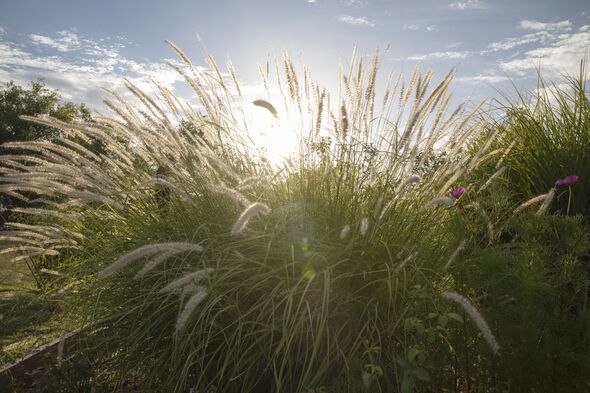
If you don’t prune these plants correctly, it could set your garden display back by a whole year (Image: Getty) This article contains affiliate links, we will receive a commission on any sales we generate from it. Learn more

If you don’t prune these plants correctly, it could set your garden display back by a whole year (Image: Getty)
A gardening expert has advised fellow gardeners that they might be pruning one type of plant in the wrong way that could set them back by a whole year. TikTok creator and gardening expert Michael Griffiths recently shared his tips and tricks for getting the most out of your ornamental grasses come springtime.
Looking ahead to the next season, Michael encouraged other gardeners to take a look at their ornamental grasses, as they might be in need of some care. To get the most out of the plants, you want to make sure that you’re pruning them in the correct way and at the right time of year. In a recent video, Michael warned: “Prune your grasses the wrong way and it’ll set them back for the full year, so this is how you do it right.”
READ MORE: UK households told of exact measurement rule when repotting your house plants
READ MORE: Japanese maples can start rotting unless you have natural item in the garden
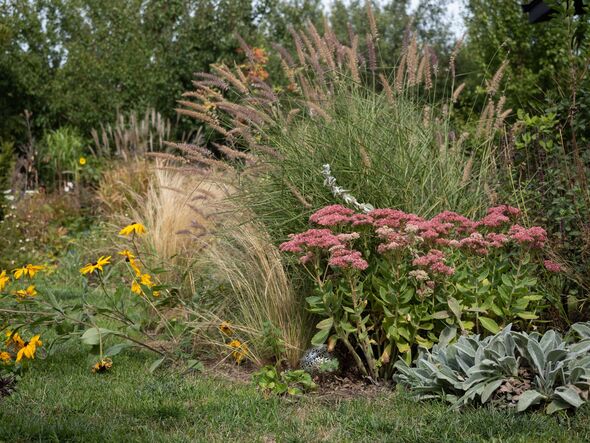
Ornamental grasses can help add texture, colour and height to your garden display (Image: Getty)How to prune ornamental grass
If you’re unfamiliar with ornamental grass, they differ from lawn grass as they’re typically grown to add an aesthetic texture, height, and range of colours to the garden. Ornamental grasses are versatile and hardy, bringing movement, texture and drama to gardens of all styles, nearly all year round.
They’re easy to grow and require low maintenance, but they do need some TLC every now and again. However, Michael warned that they don’t all need to be pruned at the same time.
To deter which needs a bit of pruning, you need to know if they are deciduous or evergreen. The Royal Horticultural Society explained that when it comes to cutting back ornamental grasses, deciduous grasses need cutting back annually, while evergreens only need a quick tidy up.
Ensure our latest headlines always appear at the top of your Google Search by making us a Preferred Source. Click here to activate or add us as your Preferred Source in your Google search settings.
Michael explained in his video that as deciduous grasses die back, they become brown and dry by the late winter. He suggested that between late winter and early spring is the best time to prune those grasses.
The species of grass will determine when they need to be cut back, but generally it’s between early to mid-spring. The RHS explained that ornamental grasses provide attractive structure over winter, so wait until spring to cut back deciduous types, but ensure that it’s completed before new shoots emerge.
Most deciduous types will start to sprout in early spring, but there are a few that are slower to get started, such as Pennisetum orientale. The RHS pointed out that these old stems will help protect the crown from cold weather, so delay cutting back until late April.
Michael advised cutting the stems back to base, around five to 10cm from the ground. The aim is to remove the old stems and foliage completely, so it allows new stems to grow afresh.
It’s also beneficial to remove any of the surrounding loose stems and other debris that’s accumulated over time. To help encourage new growth, apply a general fertiliser before spreading a thick organic mulch about the clump of grass.
While deciduous grasses need some pruning, the gardening expert explained that evergreen grasses are where people tend to go wrong.
He said: “But evergreen grasses which stay green all year are where people often go wrong, don’t cut these to the ground. Instead, gently comb through with your fingers or a hair comb to remove dry, tired leaves.”
If any dead leaves or stems are still firmly attached, they will need to be cut off individually. After tidying up your evergreen grasses, add a layer of organic mulch around the base and add a general fertiliser to boost growth.
Comments are closed.