

February 20, 2026 — 5:00am
Save
You have reached your maximum number of saved items.
Remove items from your saved list to add more.
Save this article for later
Add articles to your saved list and come back to them anytime.
Got it
AAA
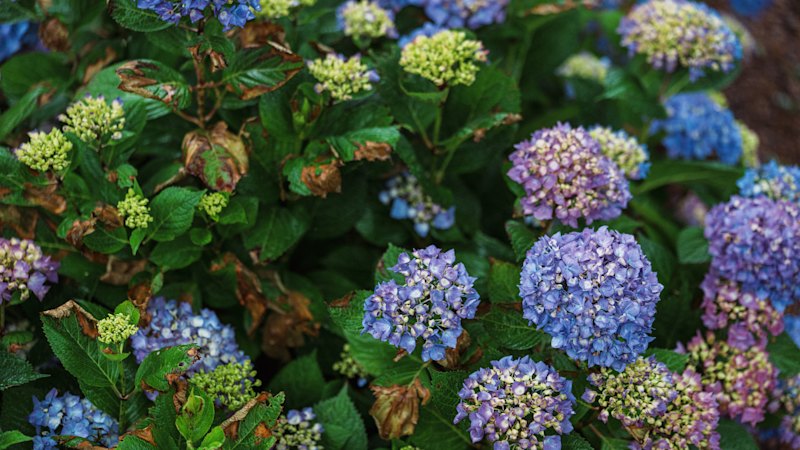
For many gardeners, this summer is not going to plan. The growth is slower, the wilting faster. There are fewer flowers, smaller fruits, less saturated colours and more tawny touches. The timing is all out.
In this age of heat domes, rain bombs and likely looming water restrictions, many of us are starting to question how well we know our patch – there is a growing notion that the garden we have is not the garden we thought we had.
In my area of coastal Victoria, the rainfall has been unusually low for months. February has brought only a light shower, January yielded not a drop, December was also dry and last winter, too.
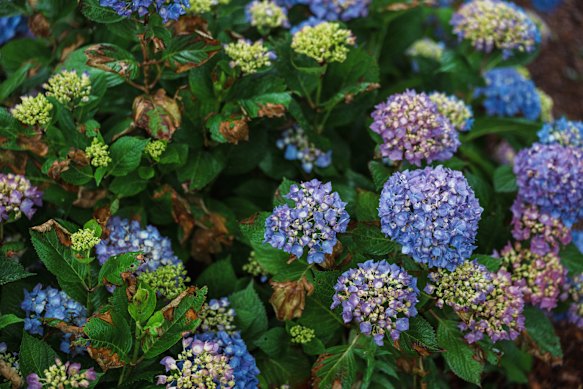 Extreme weather can leave your garden looking far less lovely than in years past.iStock
It’s been the same in many parts. Even though much of Sydney and coastal New South Wales has been wetter than usual, the Bureau of Meteorology says last year’s rainfall was “very much below average” (in the lowest 10 per cent of all years since 1900) for large areas of southern Australia, including most of Victoria and inland NSW.
Even some of those spots hit by flash flooding last month are starting to feel parched again. No matter how dramatic a downpour, if it falls on extremely dry soil, much of the water runs off rather than soaking in.
Related Article
The persistent dryness means that plants that were once the life of the garden are now looking out of sorts. While extra pampering can cajole them along, if you cosset for too long, you start to resent it. Then there is the matter of many areas in Victoria and New South Wales facing the risk of water restrictions this year.
For some of us, the moment has come for a reboot. Adversity has always inspired new ways of gardening and a recalibration now can help ensure our gardens are resilient into the future. Even if every summer doesn’t bring the same conditions as this one, by responding to the conditions at hand, we can help keep our gardens in step with long-term climate patterns. Here’s how.
Reassess your plants
Start with your plant selection because the success of any garden is intimately bound up with the vigour of the plants growing in it. While now is not the time for planting (wait until it is cooler and hopefully wetter in autumn so that the roots can get better established), it is the time to weigh up which plants are not pulling their weight.
Be ruthless. While some stressed plants might recover and perform well with deeper watering, additional mulching or more shade, others might be better removed entirely. Plant more of what is doing well or opt for different plants that hail from places with the same climate as you have.
Australian plants that grow naturally in your area, as well as plants from different parts of the world with similar climatic conditions, including temperature, rainfall and soil type, will have the best chance of success.
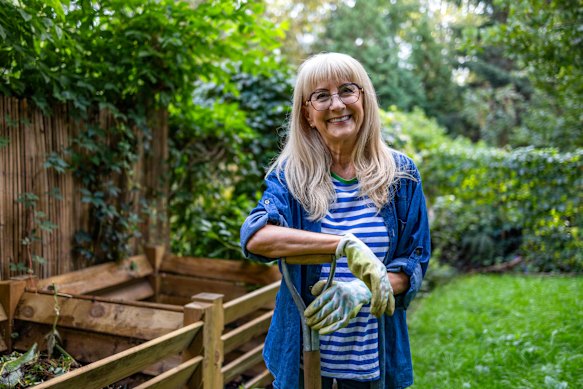 Digging compost through hard dry clay garden beds can help with moisture retention.iStockDon’t rush planting
When it does come time for planting, don’t rush it. Dig a hole that is at least twice the width of the rootball to ensure the surrounding soil is loose enough for the roots to extend into. Then create a depression or ring around the new plants to help the soil trap moisture.
Related Article
While the conventional advice has been to avoid such rings when gardening on heavy clay – because of the risk of waterlogging – many clay soils are currently so dry that the chances of misadventure are low.
What those gardening on hard dry clay should also do is dig compost and other organic matter through their beds to help with aeration and moisture retention. Plants with strong, deep taproots can also help. Comfrey, radishes, verbascum, sunflowers and artichokes are just some of the plants that can drill down into heavy soils, draw up nutrients and improve structure.
By allowing this fare to self-seed there are above ground benefits, too – for all soil types. Denser planting means more shade and protection for your soil, especially useful in hot, dry summers.
All growth has upsides in this weather, even bolting. Bolting leafy greens and herbs might mean less edible foliage for us, but it also means earlier flowers for birds and beneficial insects, which is good because this summer isn’t going to plan for them either.
Make the most of your health, relationships, fitness and nutrition with our Live Well newsletter. Get it in your inbox every Monday.
Save
You have reached your maximum number of saved items.
Remove items from your saved list to add more.
From our partners
Comments are closed.