
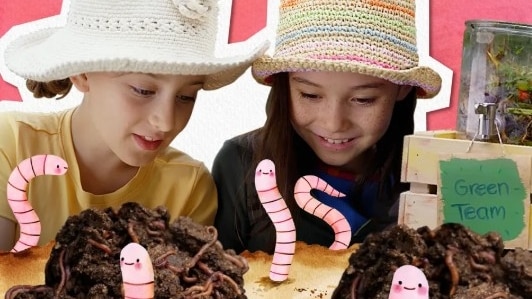
Who’s hungry for a big bowl of slime? Worms are!Worms love to live in the green glop at the bottom of a compost pile. These little creatures play a big role in the world, turning rotten vegetables and organic goo into rich soil for growing food and plants.These ideas celebrate what’s a little ‘gross’ (but actually very good) about worms in the garden, and supports adults to explore these ideas with children in fun, hands-on ways.
Explore these Gardening Australia Junior episode together via ABC iview:
Compost CauldronSuper WormsNotes for Parents and EducatorsLearning about nature’s recyclers
Worms and other decomposers play an important role in nature. They eat dead and decaying organic matter that would otherwise pile up, and turn it into dark, rich soil perfect for growing fresh vegetables and healthy plants.
The following experiences encourage children to explore the idea that “gross can be good,” while celebrating the humble worm through shared experiences, discussion and play.
Make TogetherMake a gloriously gross salad
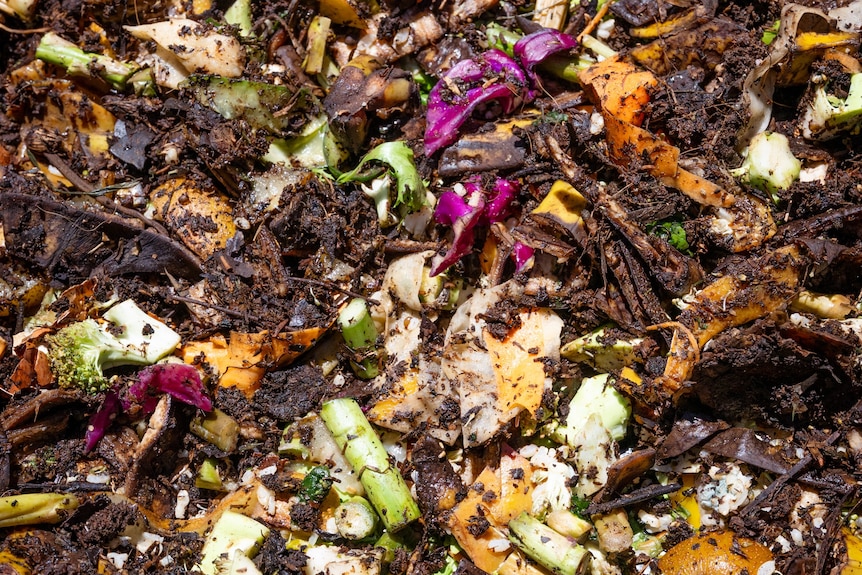
Salads are usually crisp and colourful but when vegetable scraps turn brown and soggy, they become the perfect salad for worms!
1.As you cook together, set aside vegetable scraps that worms enjoy, such as carrot peels, radish tops, wilted lettuce and dry leaves. Collect them in a large bowl lined with newspaper.2.When you’re finished, take the bowl (paper and all) to the compost, FOGO bin (stands for ‘food organics and garden organics’) worm farm. Open the lid and announce “dinn-errrrrr!” so children can imagine the worms being called to eat. Spread out the slimy salad and close the lid explaining that worms prefer to eat in the dark.
Educator links: EYLF Outcomes 2 and 4.
Create a play space using blankets and cushions. This can be indoors or outdoors, ideally on grass if available.
Encourage children to practise lying down and moving like long, wriggly worms … slowly and carefully, so they don’t attract hungry birds!
Invite children to look up at the sky, then use the blankets and cushions to burrow like an earthworm into a soft, safe hiding place. For an extra challenge, suggest they try wriggling without using their arms or hands.
From their hiding spot, encourage children to look up at plants they would usually look down on. Prompt their imagination:
What would a flower stem look like if you were a worm?How big would a snail seem?What about a bird? (Yikes!)Take It Further – Worm Races
For this activity, you will need a few worms and a gentle approach. Keep worms damp, shaded, and in a dark container until you are ready.
1.Discuss with children how worms are living things that need to be treated with care. Demonstrate how to hold a worm gently in the palm of the hand. Explain that worms breathe through their skin, which must stay moist.2.Fill a plant pot with soil.3.Water the soil so it is damp and soft, explaining that this helps worms move through it easily.4.Support each child to gently hold one worm in cupped hands.5.Talk together about predictions: which worm might disappear first, and why?6.On the word “GO!”, help children place their worms onto the soil.7.Observe together. Which worm disappears first? Was the prediction correct?8.Return all worms to the compost or worm farm afterwards, thanking them for their help—perhaps with another soggy salad!Disappearing Pumpkins
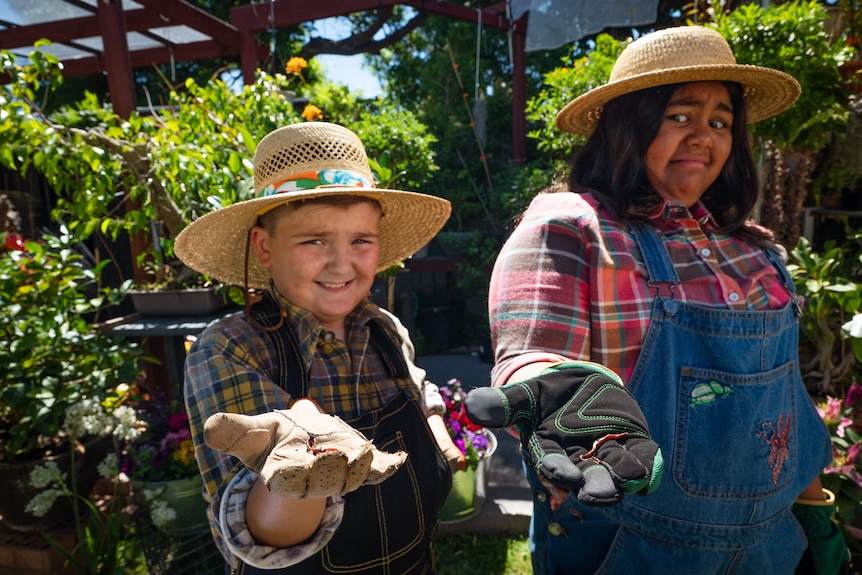
This is a longer-term investigation using a worm farm or compost pile. Children may benefit from gloves and clothes that can get muddy.
1.Discuss how worms decompose vegetables and dead plants, turning them into soil that feeds new plants.2.Explore the compost or worm farm, digging and turning it over with adult support if needed. Compare what is found on the inside versus the outside of the heap.3.On a tray, display items that can decompose, such as:folded newspaperpaper cupbananacotton t-shirtwhole small pumpkin or squash
Take photos of each item.4.Bury the items in the compost or worm farm and water well, ensuring proper drainage so worms do not drown.5.Revisit after two weeks to observe changes. What has disappeared? What has changed? Compare with the original photos.6.Revisit again two weeks later to continue observations and discussion.
Educator links: EYLF Outcomes 2, 4, 5
Visit ABC Education online to access short video clips from Gardening Australia Junior, plus classroom planning ideas and provocations aligned with the Australian Curriculum (F–2).
Comments are closed.