
The freezing temperatures that hit Florida earlier this month may be nothing more than a memory as we watch temperatures head into the upper 80s this week.
Unless you walk out into your yard.
Landscape plants, grass and palm trees were hit hard and many homeowners are getting itchy fingers when it comes to pulling out those brown plants and replacing them with colorful blooms.
➤ Is my Florida palm tree dead after freezing temps? What to do
But some plants sold in stores are actually considered invasive and experts advise to keep away from those.
Here’s what you should know.
Do Florida stores sell plants considered invasive?
Yes.
“Often by mistake, shoppers see a plant they like at the store and assume it is fine for their garden,” said Kimberly Moore, environmental horticulture professor at University of Florida Institute of Food and Agricultural Sciences Fort Lauderdale Research and Education Center.
➤ Don’t let these 8 plants, sold in stores, invade your Florida garden
“It is not the fault of the stores. They buy and sell what people want. Plus, we often do not know that something new and fun could become invasive.”
Shop for garden plants at Lowes but watch for invasives
Top 8 invasive plants commonly found in Florida garden centers
The University of Florida listed the top eight invasive plants commonly found in retail garden centers:
Asparagus fernLantanaPothosWater hyacinthMadagascar periwinkle, vincaWandering dudeWater snowflake or snowflowerMimosa tree or Persian silk tree
➤ See full list of invasive plants in Florida
Here’s an explanation from Moore and UF/IFAS Master Gardener volunteer Jeannie Schmiddle on why to avoid the plants listed above.
Asparagus fern ‘difficult to eradicate’
“This Category I invasive, listed by the Florida Exotic Pest Plant Council, spreads quickly through seeds and underground tubers forming dense mats that outcompete native plants.
“They are difficult to eradicate, and once established, they cause severe displacement of native vegetation and long-term ecosystem changes. The berries they fruit are spread by birds, facilitating their invasion of hammocks and pinelands.”
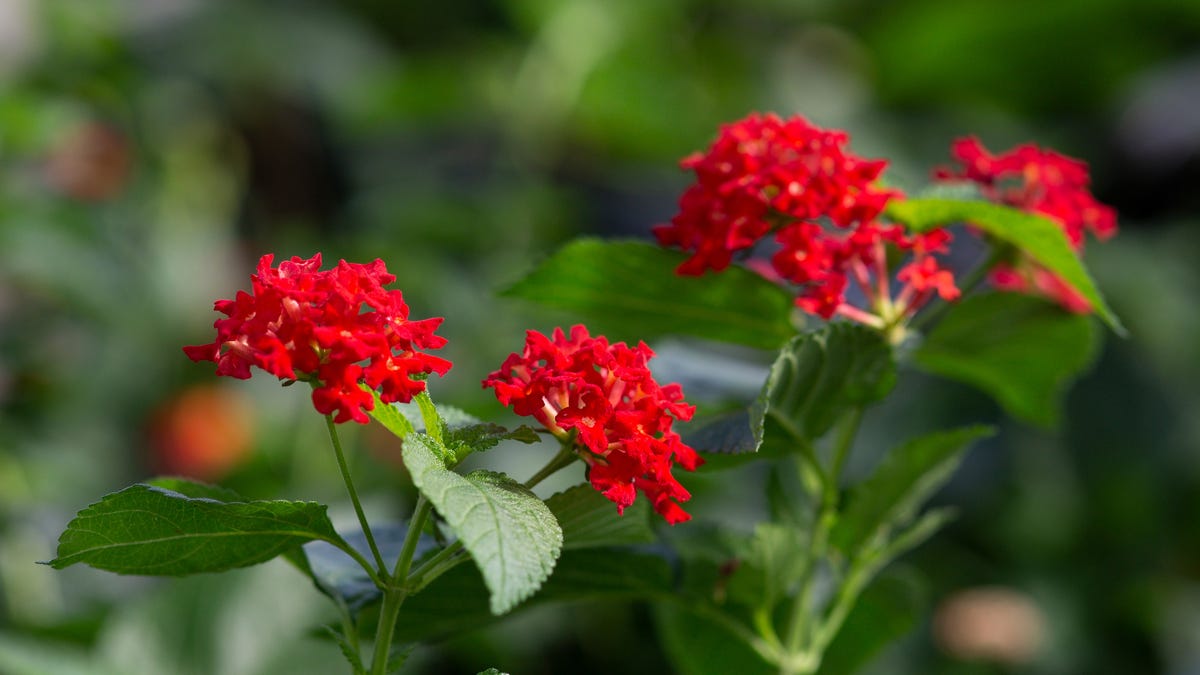
Lantana leaves, berries toxic. Leaves highly flammable
“Lantanas are invasive and toxic. They can also displace native plants.
“Lantana leaves and berries are toxic for many animals, and leaves are highly flammable, which can contribute to the spread of wildfire in invaded areas.”
Pothos smothers native vegetation
Also known as Devil’s ivy, pothos is “widely sold as a houseplant but can escape when dumped or moved outdoors. “It contains toxic elements that are toxic to pets and humans.
“In South Florida, it climbs trees, smothers native vegetation and forms dense vines that block light and stress or kill host trees. It is listed as a Category II invasive in Florida.”
Water hyacinth blocks sunlight
“A patch of water hyacinth can be beautiful to see. They do display a lush carpet of foliage boasting lavender flowers.
“However, they can block out critical sunlight that feeds biologically important aquatic grasses.”
Madagascar periwinkle, vinca ‘frequently escape’ Florida landscapes
“These seemingly delicately colorful plants frequently escape cultivation via seeds, especially in disturbed sites.
“It can persist and spread in natural areas, roadsides and urban interfaces. Known to compete with native groundcovers, they reduce plant diversity. Alkaloids make it toxic if ingested by pets or humans.”
Wandering dude ‘highly aggressive, toxic to pets’
“This easy beginner plant is highly aggressive, and if not properly contained, it spreads rapidly and potentially outcompetes native plants.
“It is also highly toxic to pets if ingested.”
Water snowflake reduces oxygen levels
Water snowflake or snowflower, is a Category I invasive.
It “escapes ponds and water gardens into lakes, canals and slow-moving waterways. It spreads rapidly by floating stems, fragments and seeds and forms dense surface mats blocking sunlight to submerged native plants.
“Because it reduces oxygen levels in the water, it alters habitats for fish and invertebrates.
“It’s often misidentified or sold under benign-sounding names, increasing accidental spread.”
Mimosa tree ‘stunning but don’t let beauty deceive you’
Mimosa trees or Persian silk trees “are stunning, but don’t let the beauty deceive you.
“They produce an abundant number of seeds that germinate fast and are ready to spread into natural areas, displacing native trees and shrubs.”
Not sure what to buy for your Florida landcape?
“Have a plan before you go to buy,” said Moore.
“If you don’t know how a plant will grow and what it will look like, visit a botanical garden and make a list of plants that you like. A little research goes a long way.”
Here’s a list of Florida native plants provided by the University of Florida’s IFAS Extension.
What is a Florida ‘native’ plant?
According to Florida statute 5B-40.00, a Florida native plant is “a plant species that is presumed to have been present in Florida before European contact.”
Cheryl McCloud is a journalist for the USA TODAY Network-Florida’s service journalism Connect team. You can get all of Florida’s best content directly in your inbox each weekday day by signing up for the free newsletter, Florida TODAY, at https://floridatoday.com/newsletters.
Comments are closed.