
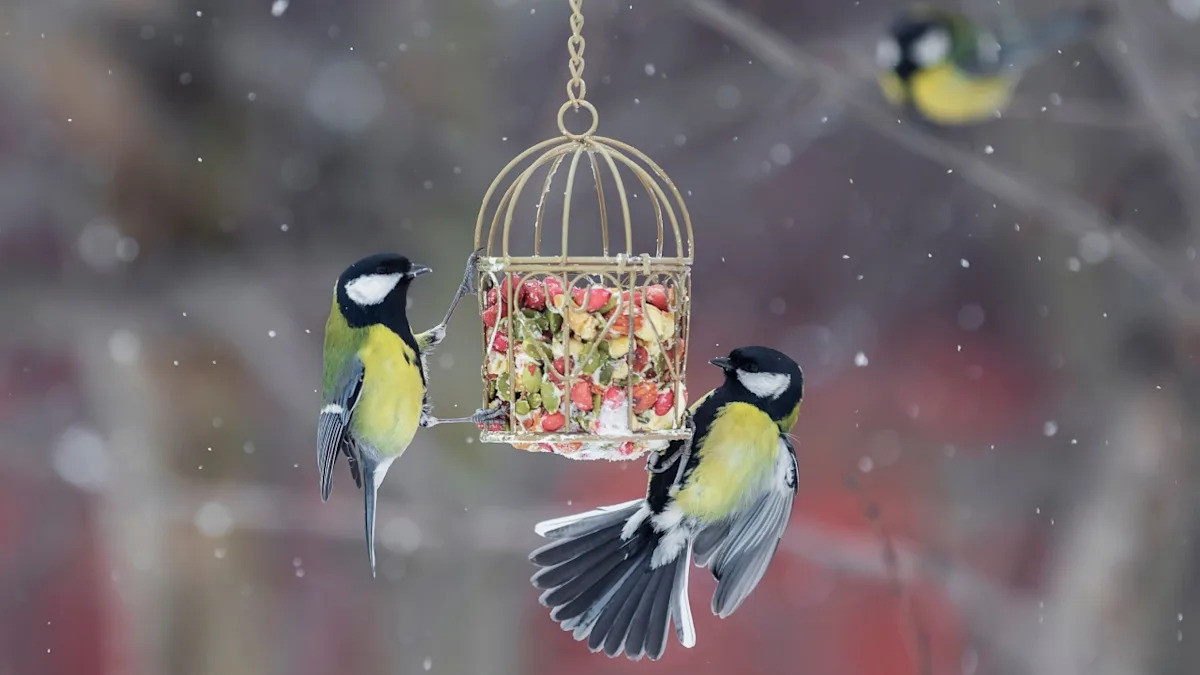
Each February, people around the world spend four days observing birds and submitting their sightings as part of the Great Backyard Bird Count. These small acts of community observation help scientists understand migration patterns, shifting ranges, and population trends. As organizers explain, the event invites participants to “watch, learn about, count, and celebrate birds” while contributing meaningful conservation data.
What the Great Backyard Bird Count Actually Is
Launched in 1998 by the Cornell Lab of Ornithology and the National Audubon Society, and later joined by Birds Canada, the Great Backyard Bird Count was the first online community science project to display bird data in near real time.
Today, hundreds of thousands participate globally, recording thousands of species over a single weekend.
The goal of the Great Backyard Bird Count is beautifully simple: spend time in your favorite place watching birds, then report what you see.
How to Participate
Step 1: Pick Your Spot
“Backyard” is flexible. You can watch from a porch, balcony, park, trail, or nature center, no travel required.
Step 2: Watch for 15 Minutes or More
Count birds for at least 15 minutes on one or more of the four days (February 13–16). That’s it. You can bird longer than 15 minutes if you like, or return another day (or every day of the event), but one session counts as participation.
Step 3: Identify, Count, and Submit
If you’re new, use the free Merlin Bird ID app to identify birds by sight or sound. More experienced birders can submit detailed checklists through eBird. If you already use Merlin or eBird, your entries during the event automatically count—no extra registration required.
Do You Need to Change Your Normal Birding Routine?
Not at all. If you’re already an avid bird watcher, record what you see or hear. Create a new checklist for each location or time block, and make your best estimate of flock sizes. Even your best guess of a count can be valuable!
If you’re worried about getting it wrong, don’t stress. The count is intentionally beginner-friendly. Organizers note that it’s “a good fit for entry-level and less experienced bird-watchers” because participation can be as simple as 15 focused minutes outdoors.
What You’ll Gain Beyond the Count
Beyond contributing to science, the Great Backyard Bird Count helps you notice your garden or neighborhood differently. This might be the beginning of tracking which birds visit the feeders, which birds call from the hedge, and who returns each year. Many gardeners find that it becomes a February tradition and a reason to step outside to enjoy their garden when motivation is low and temperatures are cold.
So get moving and download Merlin or log into eBird. Mark the dates. Maybe even invite a neighbor to join you, or enjoy nature solo with a cup of coffee in hand.
Even 15 minutes in your own garden can connect you to something global and remind you that your backyard is part of a much bigger story.
Comments are closed.