

It’s an exciting time in the garden right now, when bulbs are beginning to nose through and many herbaceous perennials and grasses are waking from their winter slumber. I put in hundreds of plants and bulbs before Christmas and am now finding myself ambling around the garden every morning to see what’s popping up.
Regular readers will know that I am not a fan of bare soil — it doesn’t set plants off well visually, it saps light in shady areas and the soil erodes more quickly than when it is planted up. In winter, some bare soil is inevitable unless you grow only evergreens. But from spring through to late autumn, I want to see green, not brown.
To achieve this I plant approximately five plants per square metre (sometimes more, sometimes less depending on spread), which avoids large gaps. Of these five, at least one needs to be quite a low grower to fill the space between taller perennials and shrubs, and to soften any edges of paths and lawns. The term “ground cover” has (unfairly) negative associations. So instead I’ll call them “spring-flowering gap-fillers” (even if many will do the job of covering ground).
• Read more from Joe Swift
Some eager gardeners may be looking for an excuse to visit a nursery or garden centre. And while it’s too early in the year for tender plants, it is the ideal time to be planting up these gaps of bare soil with hardy plants that will come back year on year and solve the problem. Organised gardeners may have planned ahead and made a note or taken pictures last year of where you’ll need some fillers. However, if (like most) you didn’t, the gaps will become more evident as we move into spring, so you’ll begin to see exactly what’s what.
I have many go-to plants that I love to drift around. A lot of them are self-seeders as well as being easy to lift and divide to fill more gaps (now is also a good time for that). In time, the simple repetition of spreading them around will help to bring a garden nicely together by creating impact through larger drifts. With these kinds of plants I’d suggest never buy just one. Instead go for groups of threes, fives, sevens and so on, depending on the scale of the space available and the size of your beds.
A reduced palette in larger quantities will also make an impact and is easier to maintain because they will knit together to form a low, spring-flowering tapestry. I’d choose three of the plants below, for example. Many are woodland plants, enjoying humus-rich soil. In nature they flower before they are shaded out by trees, so they will cope well when leafy shrubs, tall grasses and perennials tower over them in summer.
• Read more expert advice about gardening
Joe’s favourite hardy plants for the gapsSiberian bugloss (Brunnera)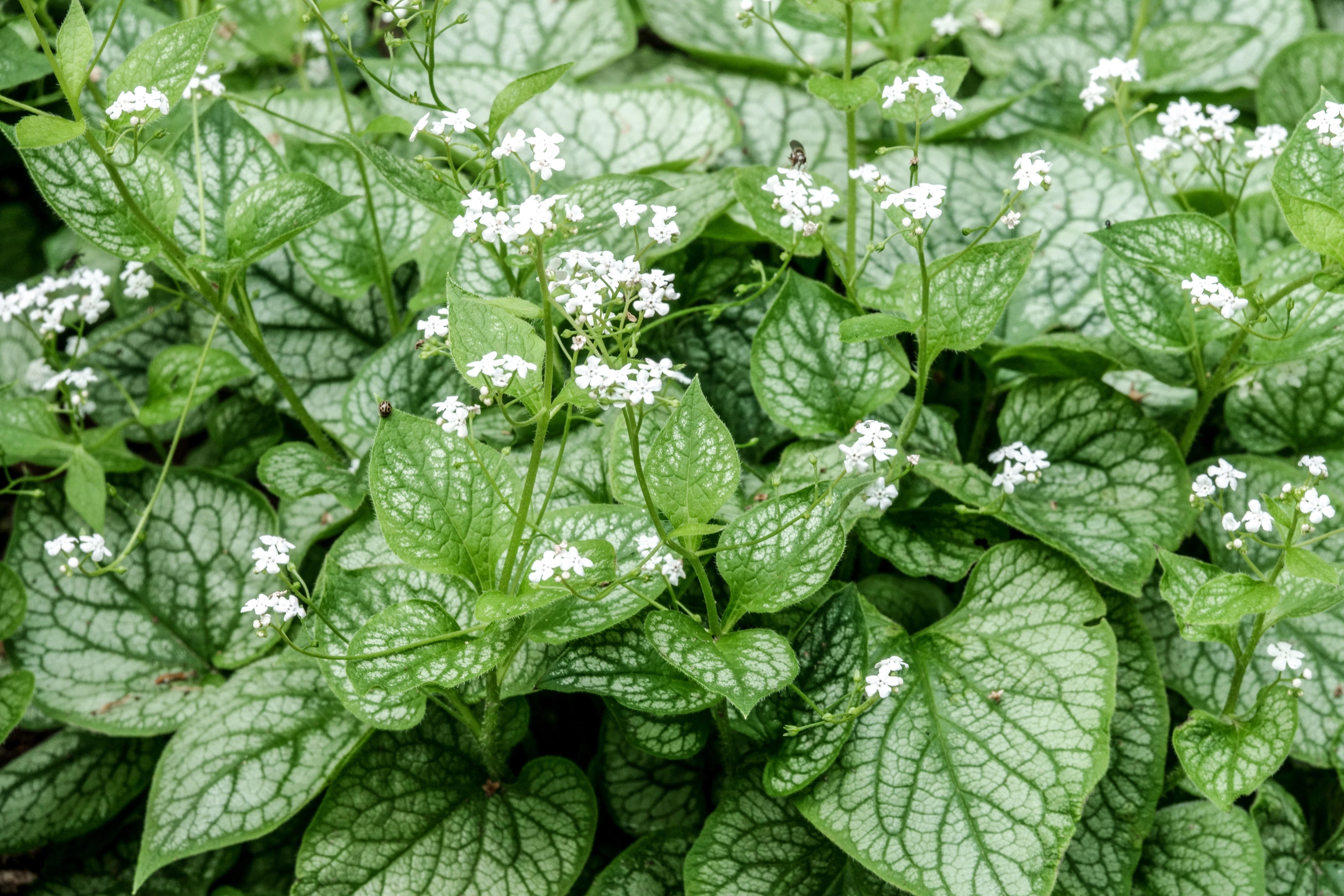
A top foliage plant about 45cm tall with lovely forget-me-knot-like sprays of white or blue flowers in April/May. Many varieties to choose from; some such as ‘Jack Frost’ and ‘Looking Glass’ have a silvery-white dusting on the large heart-shaped downy leaves (that slugs and snails avoid). ‘Mr Morse’ has white flowers as does the lovely ‘Betty Bowring’, with plain dark-green leaves. Trim back leaves and blooms after flowering if you like to freshen up the foliage.
Barrenwort or bishop’s hat (Epimediums)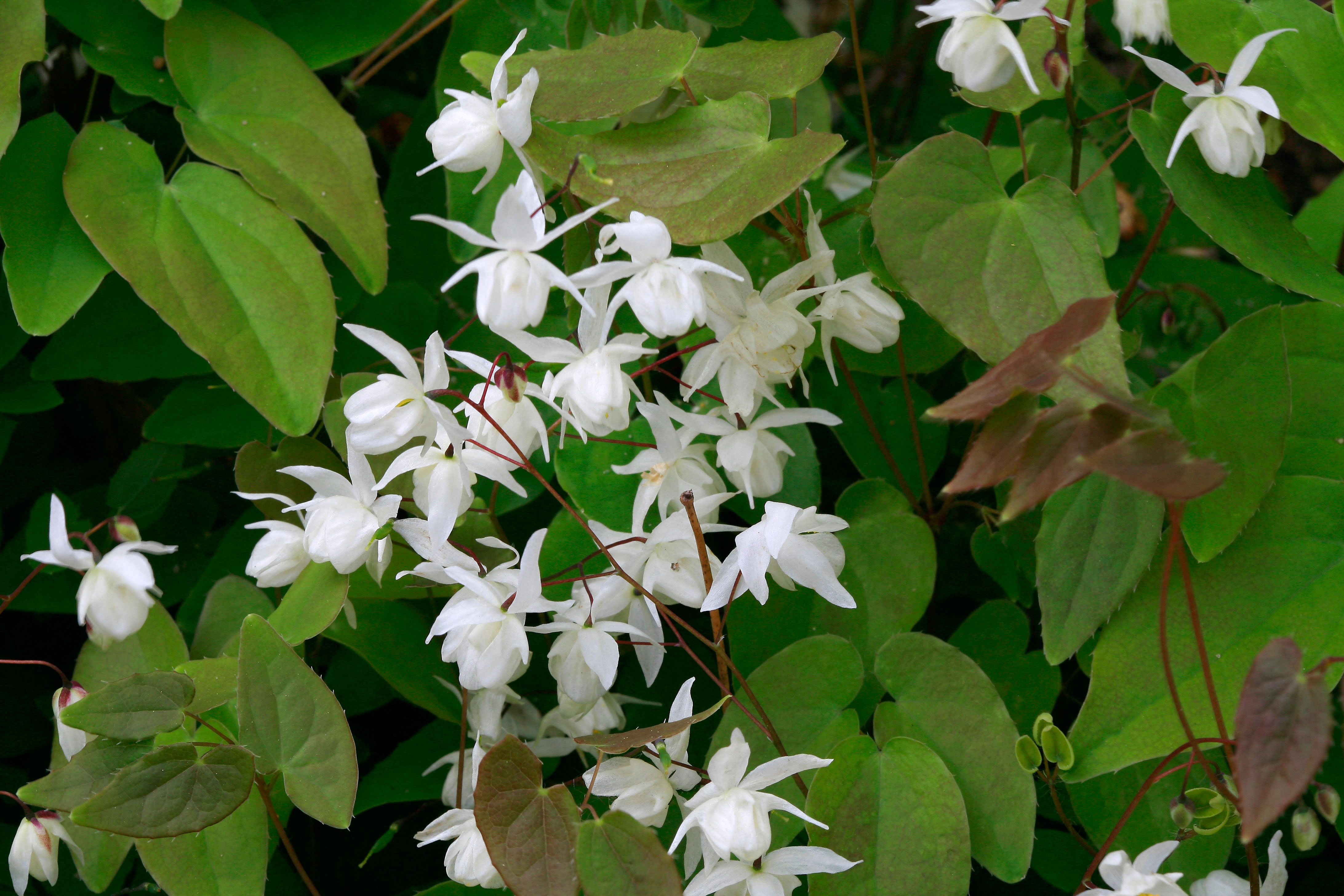
An excellent edge-softener along paths and shady spots. Between 30cm and 60cm tall. I clip off the tatty old leaves as the flowers and new leaves emerge to show them off better. Epimedium x youngianum ‘Niveum’ is on most of my planting lists, delivering airy sprays of white flowers above its leaves which start bronze, turn green and go bronze again in autumn. Epimedium x warleyense is taller with burnt-orange flowers in spring, and the petite E. grandiflorum ‘Lilafee’ has lilac flowers with elegant long spurs.
Foam flower (Tiarella)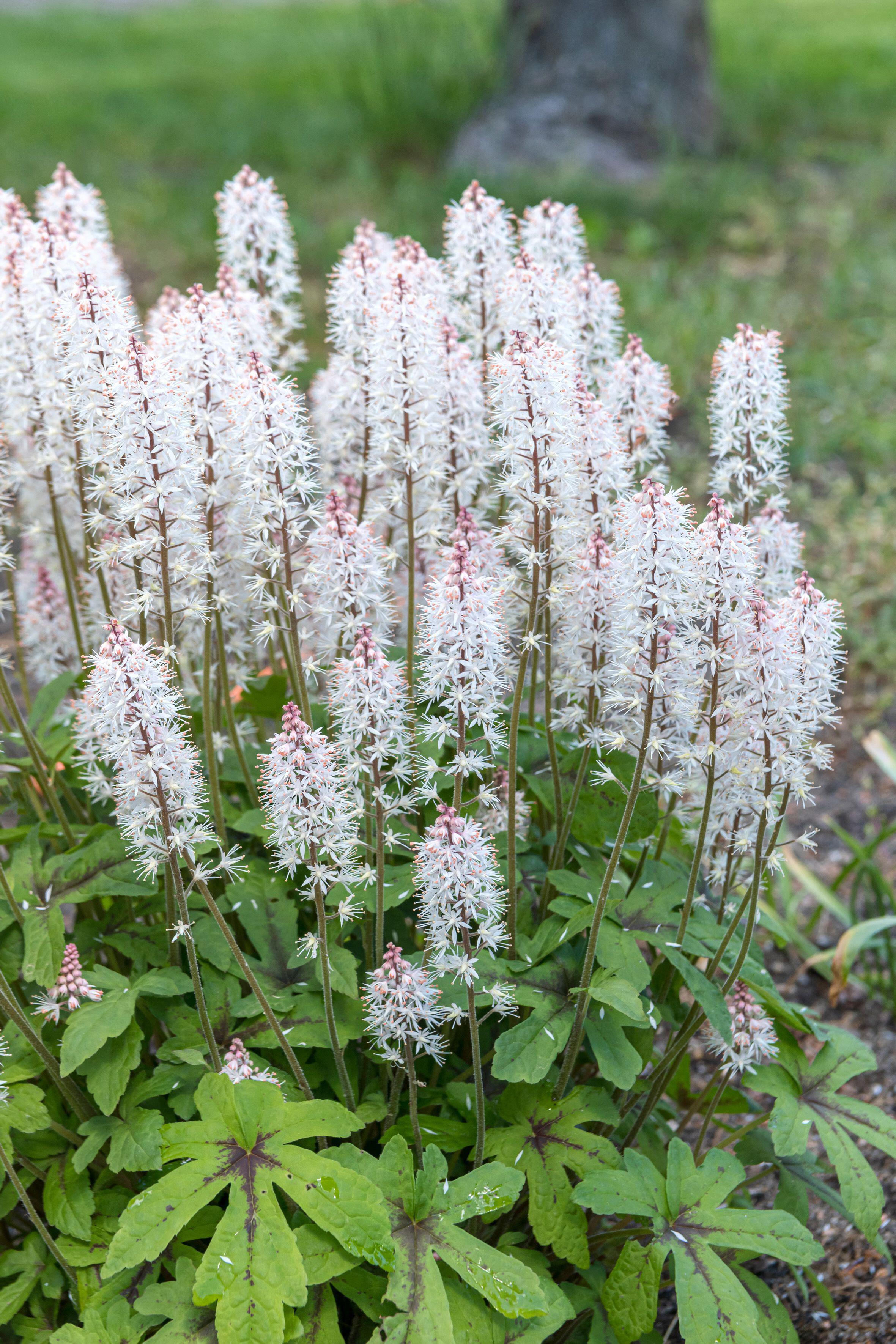
I’ve found Tiarella ‘Spring symphony’ (height 25cm) has increasingly worked its way into my schemes because it’s so reliable, flowers for a long period and its semi-evergreen deeply lobed leaves with a dark blotch provide ground cover all summer. T. cordifolia (height 30cm) is a tough species and T. wherryi (height 40cm) has heart-shaped marble foliage and scented white flowers. Both are well worth growing.
Fringe cups (Tellima grandiflora)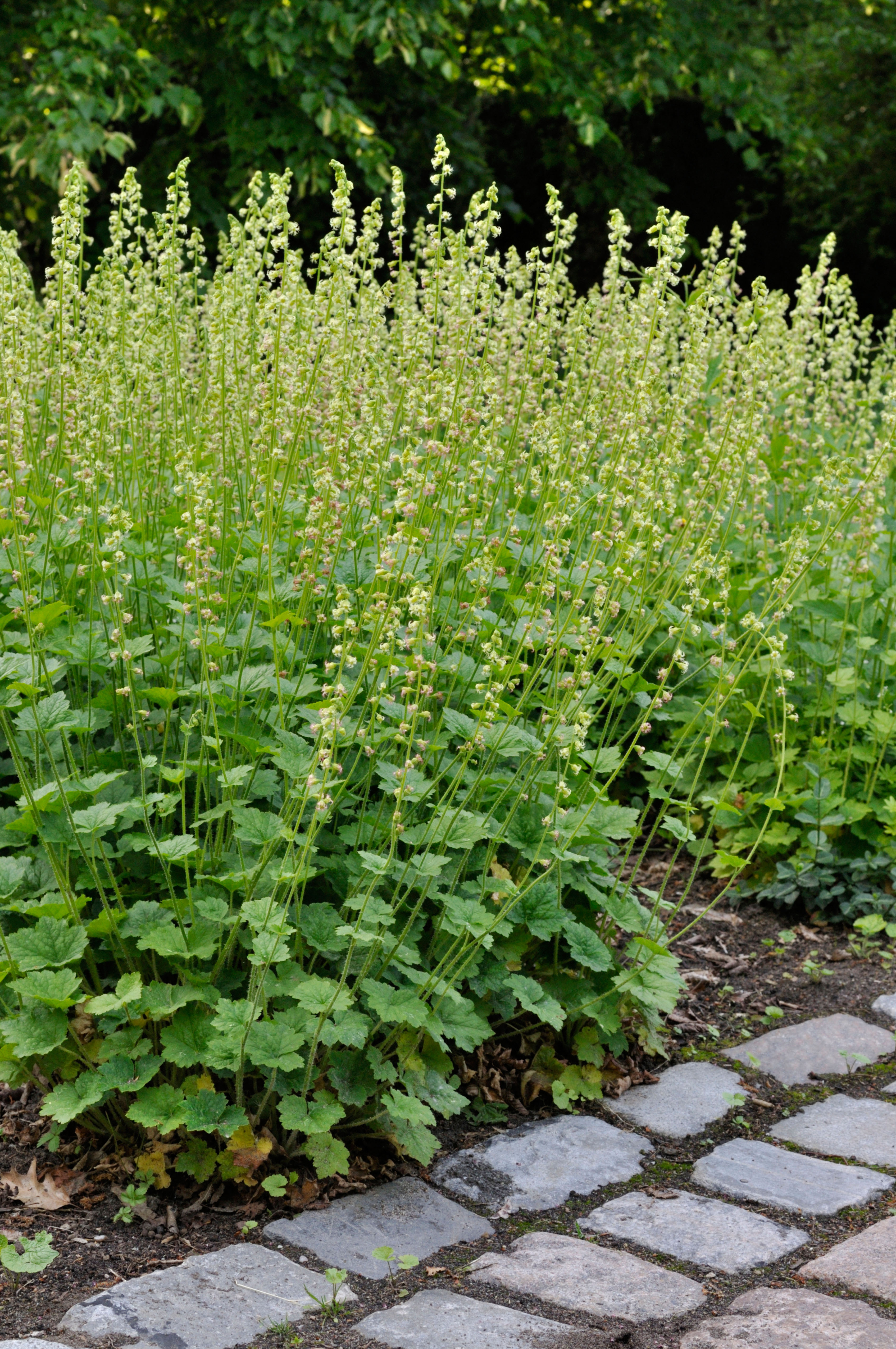
Its limey green scalloped foliage is spot on for lifting a shady corner or setting off other, larger plants. In May it produces tall spires of greenish-white flowers. Good in moist soil and can cope with dry once established.
Lungwort (Pulmonaria)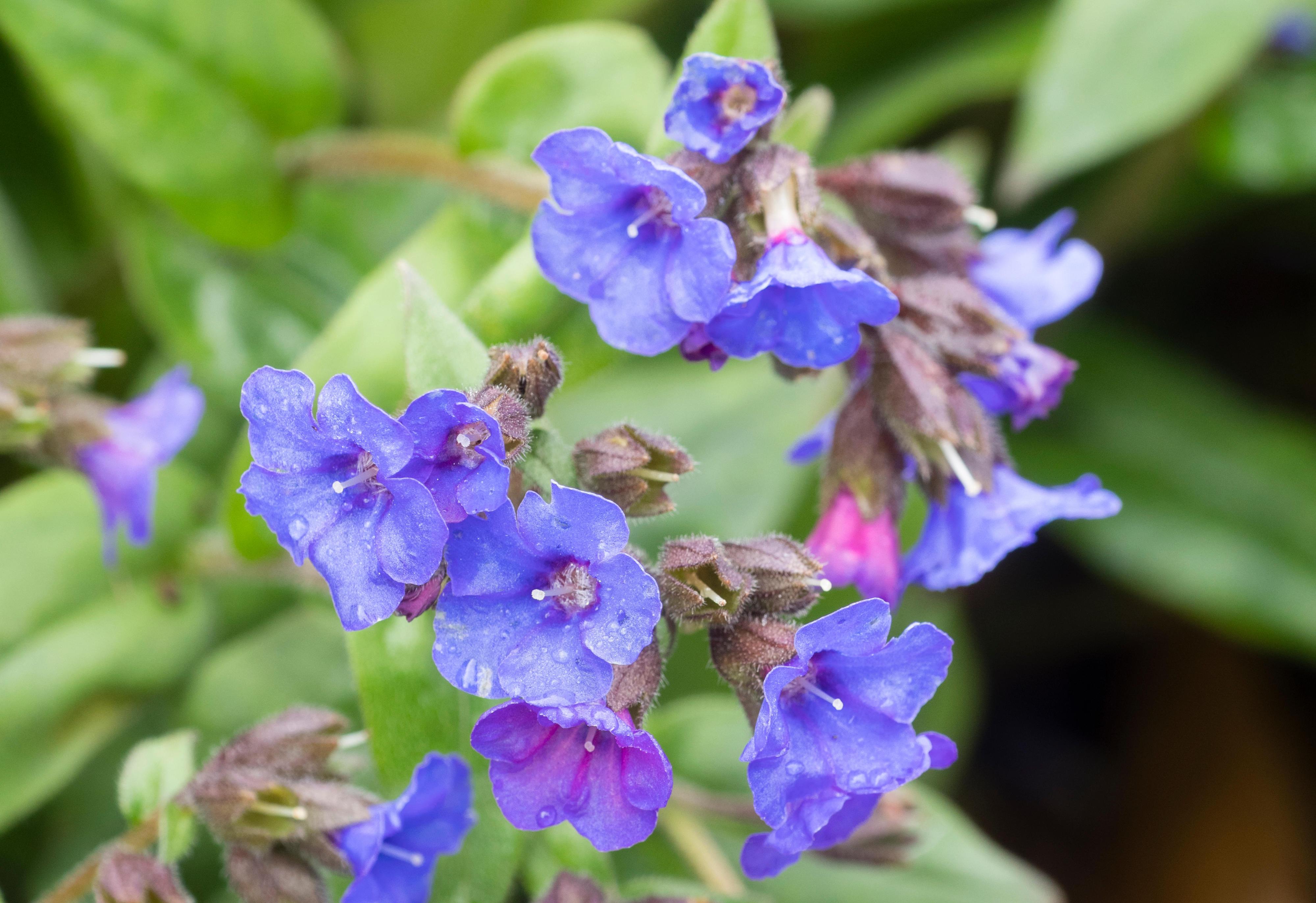
One of the earliest of my choices, flowering around March. It’s a tough plant that benefits from having the old foliage snipped off after flowering to encourage new leaves. Some have mottled/spotted leaves, others are sage green and unspotted. Flowers come in a range of blues (‘Blue ensign’ which is particularly popular and ‘Trevi fountain’) whites (such as ‘Sissinghurst white’). ‘Silver bouquet’ has silvery leaves and flowers that start off pink and turn blue as they fade.
Bugle (Ajuga reptans)
Short spikes of deep-blue flowers and shiny evergreen leaves which knit together nicely, making it an extremely useful shady low ground cover choice. Versatile too, doing well in paving gaps, to soften edges, and even in low pots. Bees love it. Height 15cm x spread 50cm. ‘Braunherz’ has burgundy leaves and ‘Catlins giant’ has oversized burgundy-bronze leaves.
Corydalis
Corydalis are a fabulous woodlander which freely carpet the ground and self-seed once happy. They have fine, ferny foliage. ‘Blue panda’ is a true blue with flowers about 60cm tall with classic corydalis spurs. ‘Blackberry wine’ has blue-green foliage and lightly fragrant purple-pink flowers. Height about 30cm.
Periwinkle (Vincas)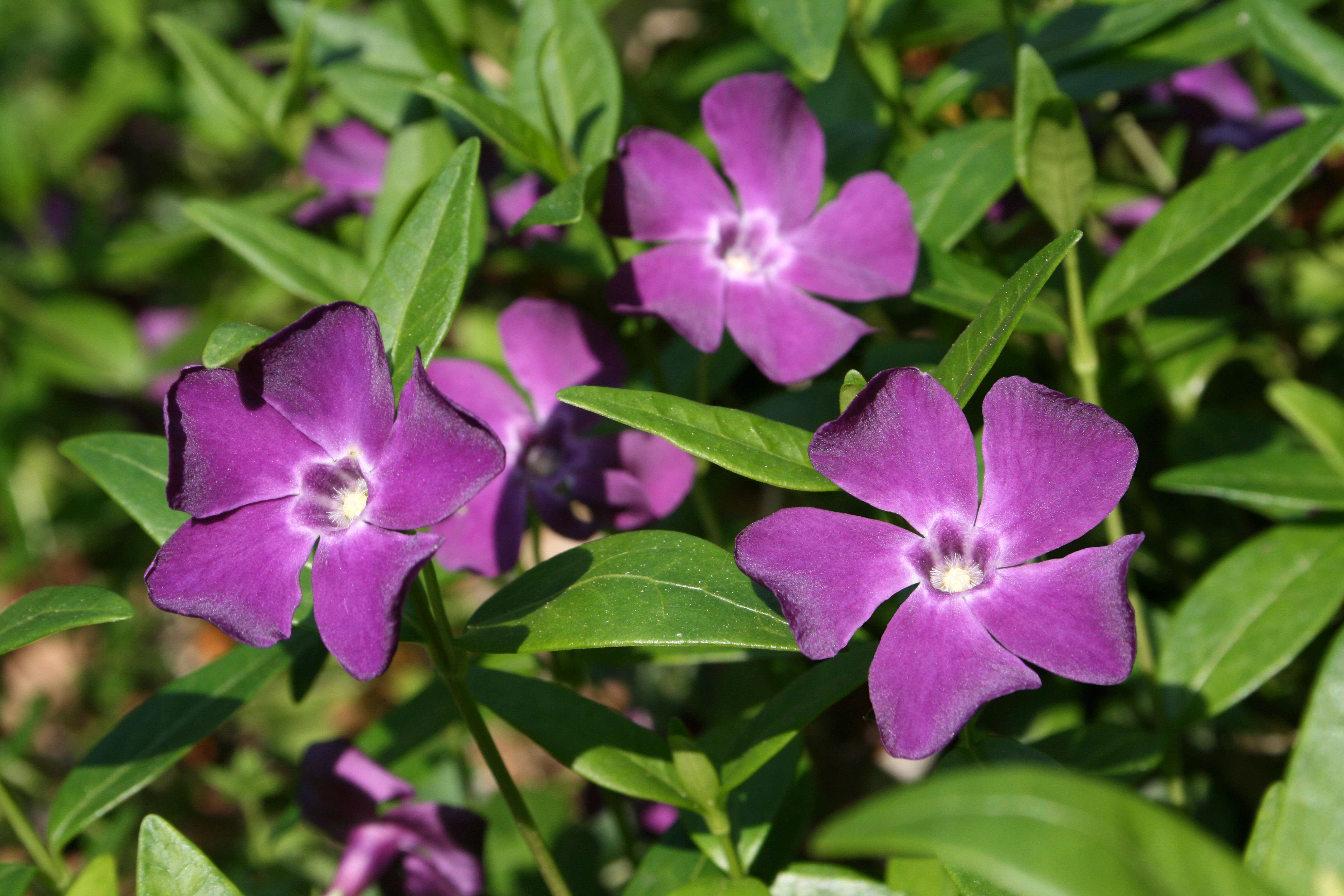
This one can get a little vigorous, but it’s evergreen and a good choice if you have some large gaps to fill or areas that need something that can really tough it out. When it flowers it’s fabulous. Vinca major (greater periwinkle) has violet-blue flowers, or there’s a larger range of Vinca minor (lesser periwinkle) including a few with sky-blue flowers (and some with variegated leaves). But my favourite is Vinca minor ‘Atropurpurea’, with velvety, rich purple flowers. Let them trail or you can cut them back hard after flowering to create a tighter look.
Sweet woodruff (Galium odoratum)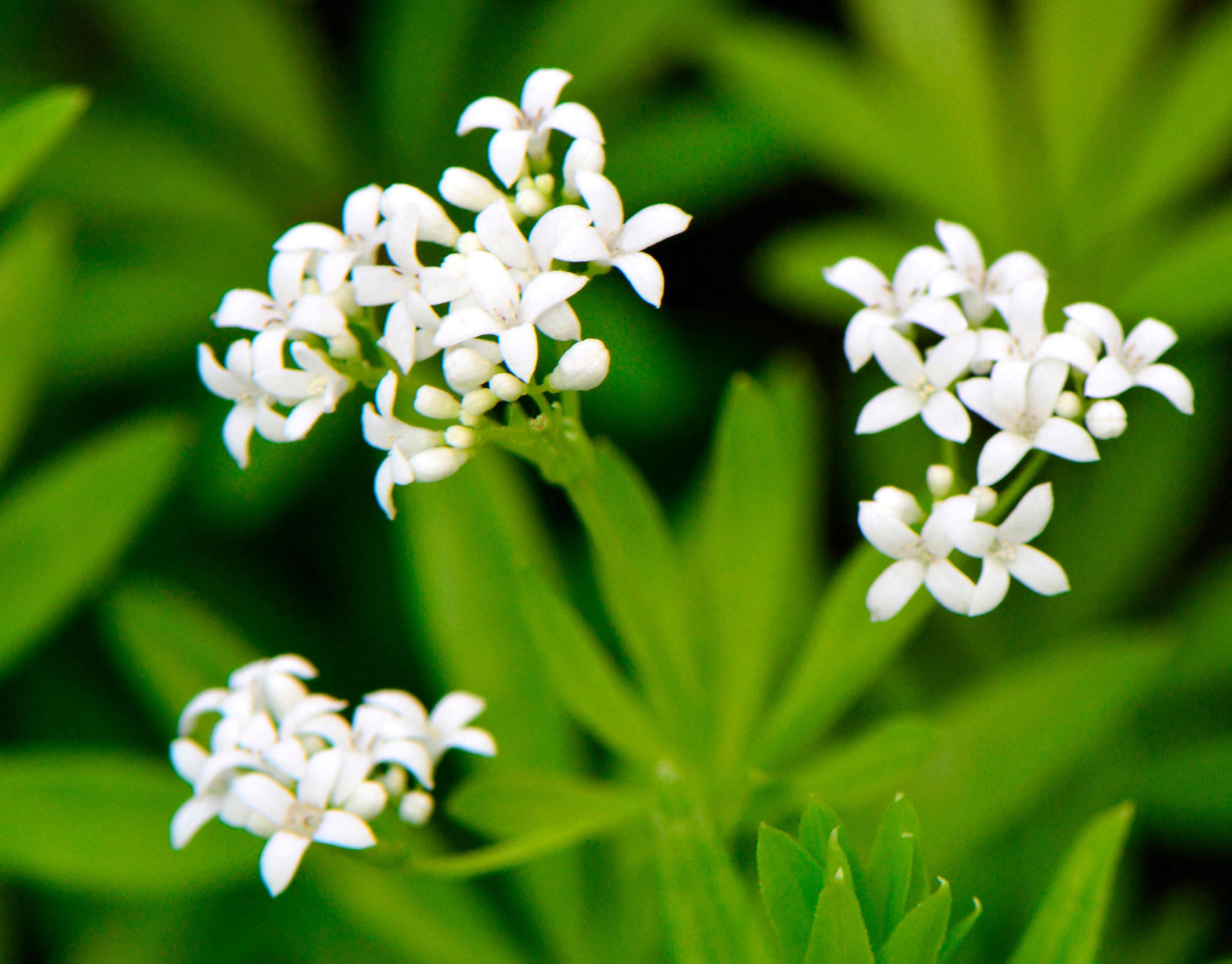
This has whorls of fresh green leaves and masses of starry white flowers. An excellent ground cover plant to grow in tricky spots between shady shrubs and ferns. Height 45cm x spread 90cm.
Comments are closed.