
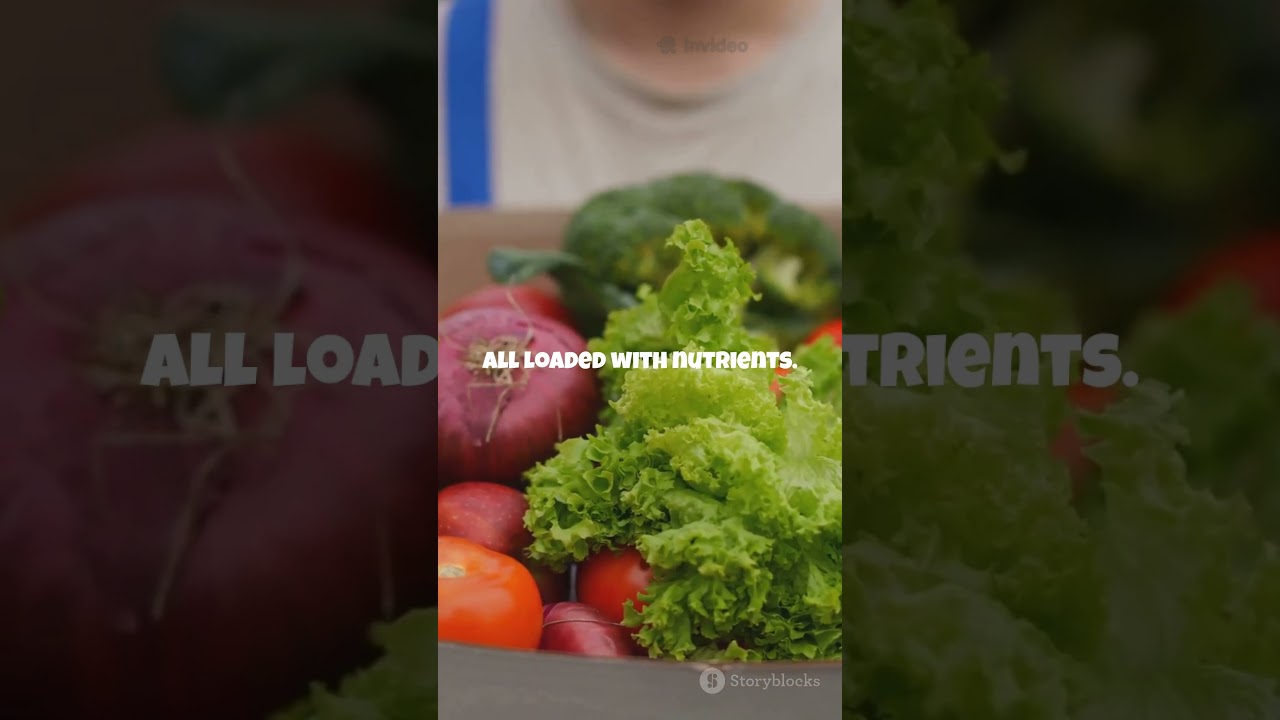
During WWII, Americans discovered that a small plot of land could feed an entire family with nutrient-dense foods that packed a serious punch. Victory Gardens weren’t just patriotic—they were survival tools that combined history, ingenuity, and nutrition. In this video, we uncover the hidden superfoods of Victory Gardens, the crops that maximize calories, vitamins, and minerals in the smallest possible space, and show you how to apply the same techniques today, whether you have a backyard, balcony, or urban rooftop.
Learn how wartime gardeners used companion planting, vertical gardening, and crop rotation to boost nutrition and soil health, why root vegetables were secret powerhouses, and how microgreens can deliver far more vitamins per square foot than fully grown plants. We break down actionable steps to replicate these methods, including planting schedules, container strategies, and pairing herbs with vegetables for maximum yield.
If you’re a historian, survivalist, or urban gardener, this deep dive connects past strategies to modern-day practical applications. Whether your goal is food security, nutritional density, or simply a historic gardening experiment, these forgotten Victory Garden tactics can transform your approach to growing food.
Subscribe for more historical survival strategies, forgotten wartime techniques, and actionable lessons from history that can still help you thrive today. Share this with fellow history enthusiasts, preppers, and gardeners looking to maximize nutrition in minimal space.
Tags:
victory garden superfoods, wwii gardening secrets, urban survival gardening, historical gardening tips, microgreens nutrition, compact garden strategies, nutrient dense crops, survivalist gardening, victory garden history, WWII backyard farms, edible history, tiny space gardening, vertical gardening tips, companion planting strategies, wartime nutrition hacks, survivalist food tips, historical food preservation, urban homesteading, hidden superfoods, backyard nutrition secrets
Comments are closed.