
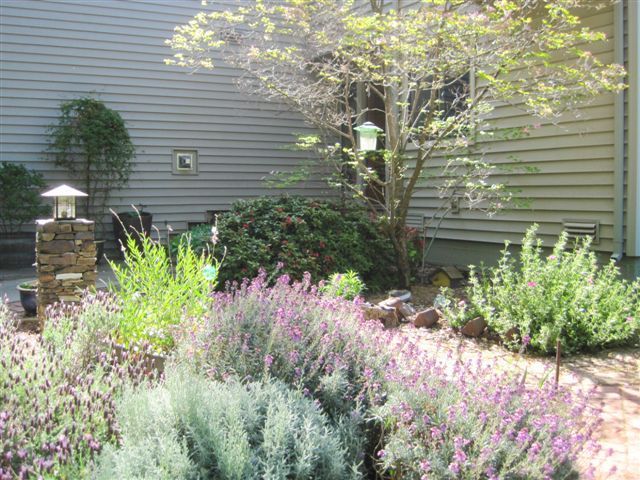
Winter and pruning go hand in hand, but the best time to prune really depends on the kind of plant. Regardless of the time of year, removing unwanted growth while it is small is easier and will have less dwarfing effect on the plant than if removed later. Pruning out broken, dead, or weak or heavily-shaded branches also will have little or no dwarfing effect on the tree no matter when it is done.
Evergreen trees and shrubs will be set back the least if pruned just before spring growth begins. Most evergreen plants make their most rapid growth after the weather warms later in the season. Pruning these plants just before the period of most rapid growth keeps the most leaves productive for the longest time. Also, the pruning cuts will be quickly concealed by new growth.
If your plants are growing in a limited space and you want to hold them back, prune when growth is about complete for the season. For many plants, the time to prune for maximum dwarfing is in late spring to midsummer. For example, many gardeners maintain fruit trees in small areas with summer pruning. Pruning during this period reduces leaf area for the longest period of time. However, pruning should not be so severe nor so early as to encourage new shoot growth. If you spring prune ornamental evergreen shrubs and trees, especially in highly visible spots, try to make the cuts so they are not easily seen.
You can direct the growth of all kinds of young trees during the spring and summer growing season. Branches growing in desirable positions can be encouraged by pinching back or thinning the foliage of competing branches, or by entirely removing the less desirable competing branches.
To prevent fungal injury and canker diseases, prune apricot and cherry trees only during the dry season. Most other corrective pruning can be done at any time from winter through summer; some problems are best corrected during the growing season when they are more obvious. Dead or weak limbs are best removed in winter, but often they are easier to identify and remove in summer. Branches on fruit trees that are weighted down by the weight of the fruit can be partially or completely thinned while the fruit is present.
The correct time to prune flowering trees depends on the flowering habit of the tree. Plants that bloom on the current season’s growth, such as crape myrtle, should be pruned during winter before spring growth begins. Moderate pruning will favor larger blossom clusters. Plants that flower in spring on buds formed on one-year old shoots, notably flowering fruit trees and lilac bushes, are best pruned at or near the end of the bloom period. That way you can enjoy the blossoms, and then prune to encourage vigorous growth for next year’s bloom.
Vera Strader was a former University of California Cooperative Extension Master Gardener of Tuolumne County.
*::before {
content: “—”;
margin: 0 0.25em;
}
.post-meta.single-post-meta > *:first-child::before {
content: “”;
margin: 0;
}
.featured-image {
float: left;
margin: 0 12px 12px 0;
text-align: center;
}
.featured-img-alt {
font-size: .8em;
margin-bottom: 0 !important;
max-width: 280px;
text-align: center;
}
.enlarge-link {
text-align: center;
border-bottom: 1px solid #e8e8e8;
padding: 0 0 1em;
font-size: .85em;
}
]]>
Comments are closed.