

Steamy mirrors, water droplets on the windows – condensation is a common issue at this time of year.
It happens when moist, warm air hits a cold surface, such as a window, wall or ceiling.
Most of us will have a bit of condensation in our homes now and again, and the Energy Saving Trust says it isn’t necessarily a problem if it clears away quickly. But when moisture builds up, it can damage your home and lead to mould growth, which could be a risk to your health.
There are a few tried-and-tested ways you can tackle condensation:
Increase ventilation – regularly open windows, ensure trickle vents are open, and use extractor fans if you have them.
Reduce moisture – dry clothes outdoors when possible, wipe down walls and windows after a shower, and consider using a dehumidifier.
And there’s also a more unusual way that may make a difference to moisture in your home and look attractive while doing so – houseplants.
Can houseplants help with condensation?
Houseplants aren’t a magic bullet, and can’t help with damp and condensation in isolation. However, they can “help support a healthier indoor environment”, says Jo Lambell, founder of indoor plant company Beards & Daisies.
“Plants take in water through their roots and release it slowly through their leaves in a process called transpiration. In very dry homes, this can gently increase humidity, while in damper spaces, plants can help absorb some excess moisture before it settles on cold surfaces,” she explains.
“So, overall, while plants can’t fix condensation issues on their own, they can help soften the impact when combined with good ventilation and heating.”
Where should I put them?
Lambell advises placing plants close to where moisture tends to build up, “such as near windows or in bathrooms, but avoid pressing them up against cold glass”.
Ensuring good airflow is also important. “When plants are crammed into still corners with no circulation, moisture can hang around and actually make condensation worse rather than better,” she warns.
Which plants are best in homes with condensation
“Some plants cope far better than others in rooms where condensation tends to build up,” Lambell, the author of The Unkillables, a book for new plant parents, says.
Three in particular that she highlights are:
Peace lily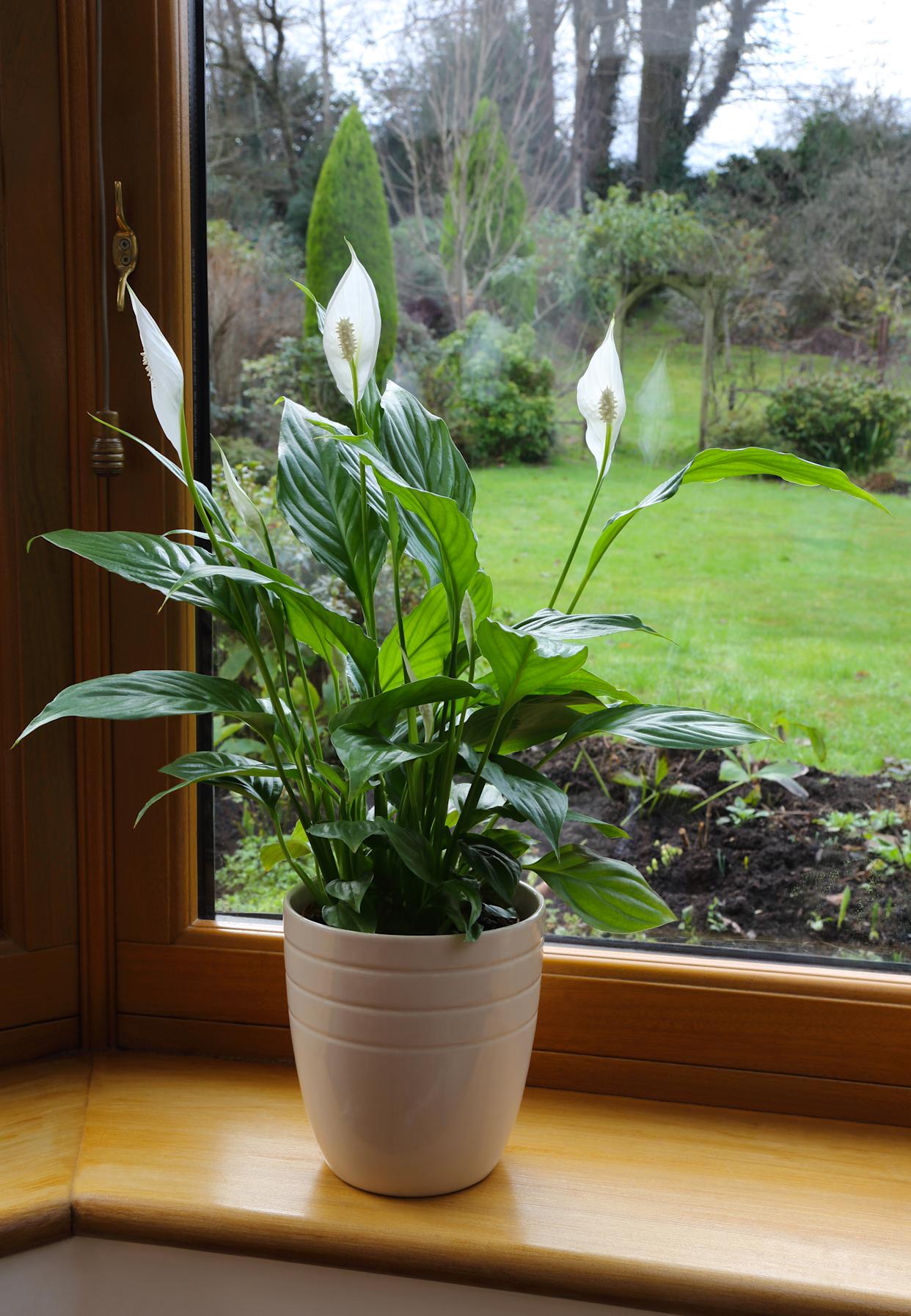
Peace lilies can work well in kitchens and bathrooms.
(Rosemary Calvert via Getty Images)
Peace lilies are known for their distinctive white blooms, which are said to look like white flags, a symbol of peace. Lambell says they’re naturally suited to humid spaces and often happy in kitchens or bathrooms with daylight.
“A peace lily takes in moisture through its leaves, but needs well-draining soil to avoid root rot,” she adds.
Boston fern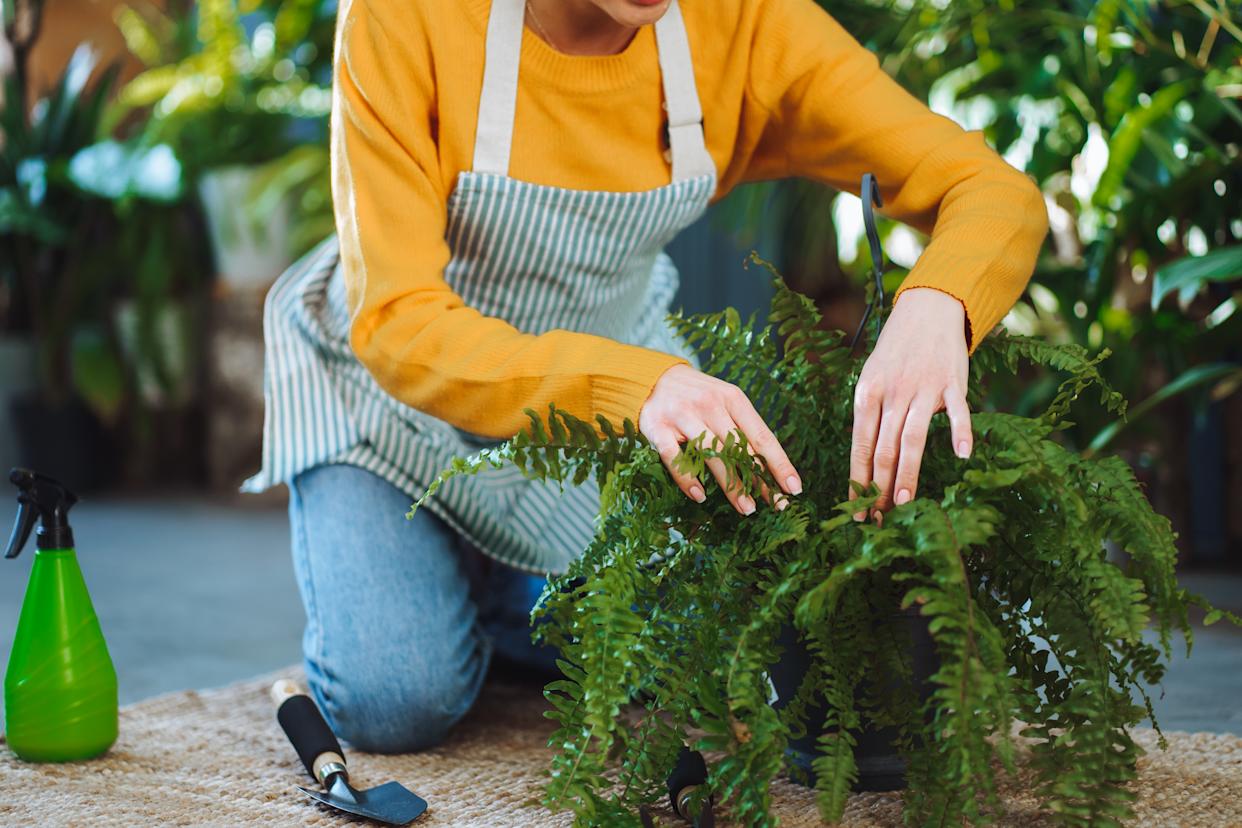
The Boston fern enjoys humidity.
(Olga Rolenko via Getty Images)
Boston ferns have lush, feather-like fronds and are native to tropical parts of South America. They’re also fans of moisture, making them a good option for humid bathrooms.
“The Boston fern enjoys humidity but needs consistent care, with lightly damp compost rather than soggy soil,” says Lambell.
Areca palm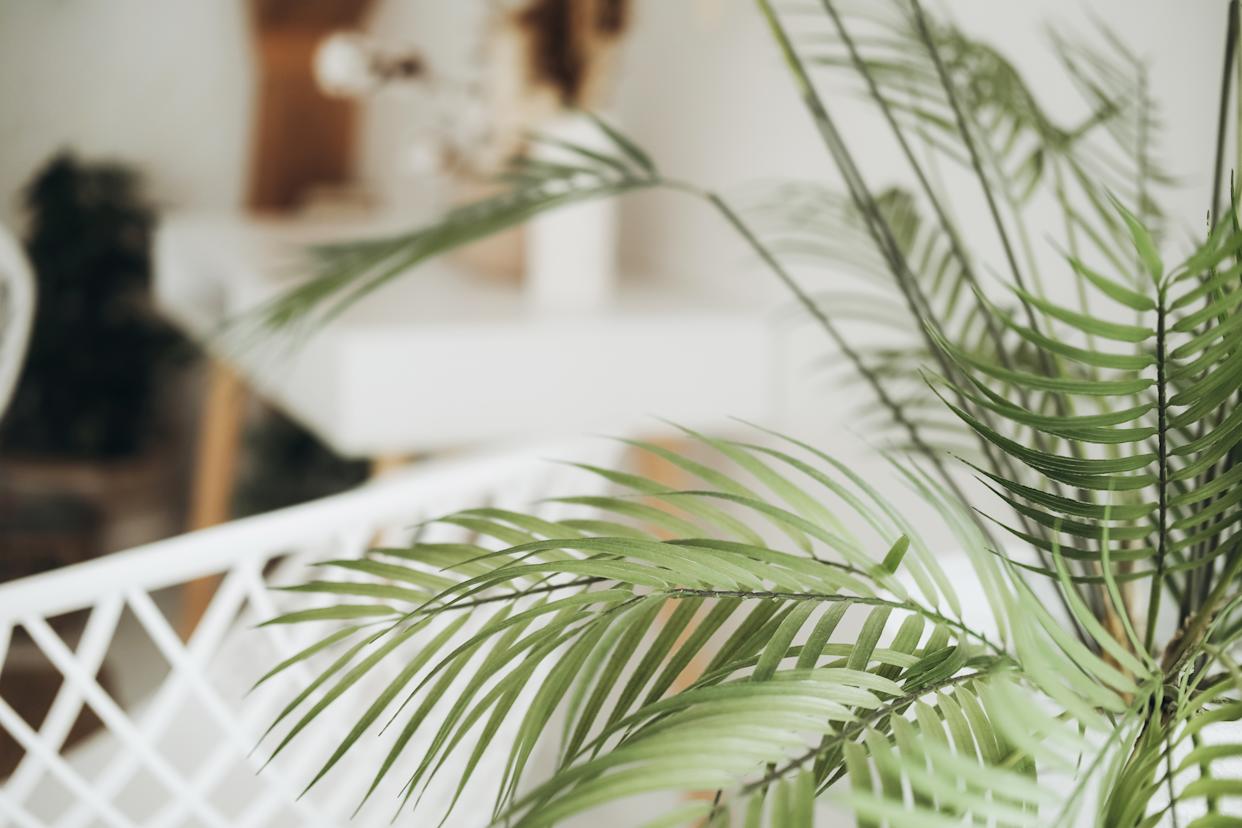
The areca palm resembles a palm tree.
(Olena Ruban via Getty Images)
An indoor palm plant with arching fronds, Lambell says, “Areca palms are better for living rooms and bedrooms as they help regulate humidity gently and are more forgiving if the room dries out between waterings.”
When it comes to plants, she advises that overwatering is the most common mistake. “Constantly wet soil can encourage mould and fungus, which defeats the whole point,” she says. “Free-draining pots, not overwatering, and making sure plants get enough light will usually have a far bigger impact than the specific type of plant you choose.”
Comments are closed.