
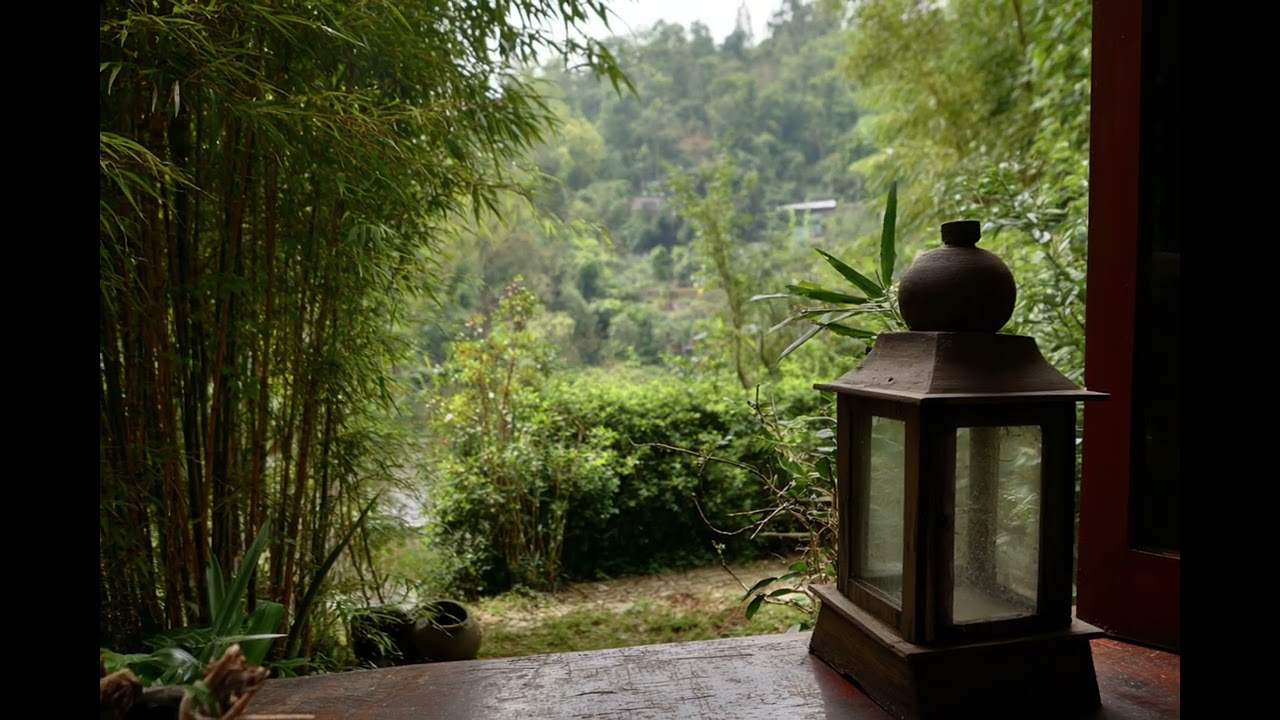
Welcome to Smart Home Design, where we explore the harmony between nature, architecture, and mindfulness. In this episode, “The Art of Shakkei: Borrowed Scenery in Japanese Garden Design,” we uncover one of the most poetic and profound principles in Japanese landscaping—Shakkei, the art of borrowing scenery.
Shakkei is more than a design method; it is a philosophy of perception and balance. In traditional Japanese garden design, Shakkei means incorporating the surrounding landscape—mountains, trees, temples, or even the sky—into the garden’s visual composition. This technique allows small spaces to feel expansive, connecting the viewer with the world beyond. The result is a landscape that feels limitless, where every view flows naturally from near to far.
In this 30-minute video, you’ll discover how borrowed scenery transforms a simple courtyard into an immersive environment that changes with every season. You’ll see how Japanese designers frame distant hills, reflections on water, and even the soft sound of wind to create tranquil experiences that nurture the soul. Through thoughtful storytelling and visual imagery, this video will help you understand how to see beauty not just in what you build, but in what you choose to include from nature.
We’ll explore the four main types of borrowed scenery—distant, adjacent, elevated, and low-lying—and how each can be used in modern landscape design. You’ll learn practical landscape design tips that draw inspiration from ancient Japanese principles: framing distant trees with bamboo fences, aligning pathways toward natural views, and allowing architectural elements like rooftops or pagodas to blend into your garden’s rhythm. Even if you live in a city or have limited yard space, the concept of Shakkei can completely change how you see your surroundings.
Imagine a garden pond reflecting the moving clouds above, extending the view into the sky. Or a carefully placed lantern beneath a pine tree whose branches stretch beyond the garden wall, connecting man-made artistry with wild nature. These examples of Japanese garden design show how Shakkei blends the physical and the spiritual. It’s not about ownership—it’s about appreciation. Borrowed scenery reminds us that the world’s beauty is shared, not contained.
In addition to its aesthetic power, Shakkei offers a meaningful approach to sustainable living. By using existing scenery instead of artificial backdrops, it reduces the need for heavy construction and promotes ecological balance. This is one of the timeless landscape design tips that remain relevant in modern times: work with nature, not against it.
Throughout the video, you’ll see real examples from Kyoto’s famous temples and residential gardens, where borrowed scenery transforms even the smallest spaces into infinite landscapes. Whether it’s the mountain peaks behind Tenryu-ji Temple or the forested horizon beyond Katsura Imperial Villa, Japanese designers have mastered the art of seeing the unseen. Each frame of this video invites you to slow down, breathe deeply, and reconnect with the world beyond your walls.
At Smart Home Design, we believe that serenity can be designed. By learning from traditional Japanese garden design, you can apply the same principles of Shakkei to your own outdoor or indoor spaces. Frame a distant tree from your window, use reflective surfaces to expand your view, or simply position your seating area to capture the sunset’s glow. These subtle changes can make your home feel more peaceful, open, and connected to nature.
Join us as we explore how borrowed scenery teaches us to find beauty in simplicity, space in stillness, and meaning in the smallest details. Shakkei reminds us that true design is not just what we build—it’s how we see.
If you love Japanese garden design, landscape design tips, and mindful ways to elevate your living space, subscribe to Smart Home Design for more inspiring content. Discover the timeless wisdom of Shakkei and learn how the art of borrowed scenery can turn your surroundings into a living masterpiece of calm, harmony, and reflection. #garden #japanesearchitecture #japanesegarden #gardendesign
Comments are closed.