
Key Takeaways
Rosemary and native strawberries are low-maintenance, edible plants that need very little water.Sedges and sedums add texture and interest to partially shaded areas with minimal care.Lantana is an easy-care choice for bright, colorful blooms in the garden.
There are those who love the process of tending to a garden, and those who would rather spend most of their free time simply enjoying their garden. There’s no shame in being part of the latter group.
Even professional gardeners have a fondness for low-maintenance plants. We asked two of them to share which ones are their current favorites, and we’re adding these to our own yards as soon as the ground thaws.
Meet the Expert
Amy Hovis is the owner of Barton Springs Nursery and Design Studio, a design-forward garden center and native plant hub in Austin, Texas.
Jason Skipton is the executive director of Growing Gardens in Portland, Oregon. Growing Gardens is a nonprofit that leads horticultural job training in correctional facilities and builds community gardens to provide produce to people in need.
Rosemary
Credit: YinYang / Getty Images
Jason Skipton, executive director of Growing Gardens, tries not to play favorites with any of the plants in his garden, but right now he has a soft spot for rosemary.
This herb asks very little of its gardener, but gives so much in return. Simply plant it in full sun and water it sparingly, and it will thrive.
“Rosemary plants are easy to maintain and provide a great habitat for pollinators, whose presence helps fertilize your plants and keep your garden healthy,” he says. “Rosemary is also a versatile herb with many potential health benefits and can be used in the kitchen or as a natural aromatherapy.”
Sedges
Credit:
Douglas Sacha/Getty Images
Sedges are a group of grass-like ornamental plants. If you give a sedge its ideal light conditions of partial shade, it doesn’t need much else to thrive. These plants also serve a very helpful purpose, and look great while doing so.
“For shady areas, some of our go-to plants are sedges, which provide soft texture, evergreen or semi-evergreen coverage, and excellent erosion control with very little upkeep,” says Amy Hovis, owner of Barton Springs Nursery and Design Studio.
Sedums
Credit:
Photos from Japan, Asia and othe of the world / Getty Images
Sedums, aka stonecrop, are another group of plants that thrive with a bit of neglect. Even though their spread is impressive, they aren’t considered invasive because their roots are so shallow. They prefer partial sun and soil that isn’t too moist.
“Sedums are drought-tolerant, colorful succulents that come in many varieties,” Skipton. says. “They are perennial, grow well with little maintenance, and serve as a wonderful groundcover, helping maintain healthy topsoil in your garden.”
Strawberries
Strawberries in the Field.
Credit: Lynda Dyche / EyeEm / Getty Images
It goes without saying that strawberries make an excellent garden snack, which is one reason why Skipton loves incorporating them into any garden. He recommends planting a variety that’s native to your region so you don’t have to water them very often.
Aside from their tasty and low-maintenance nature, they are also good for your garden’s overall health.
“I love planting strawberries as a groundcover,” Skipton says. “As the plant grows, it expands outward, protecting a wider section of soil.”
Latana
Credit:
dieter1freier1 / Getty Images
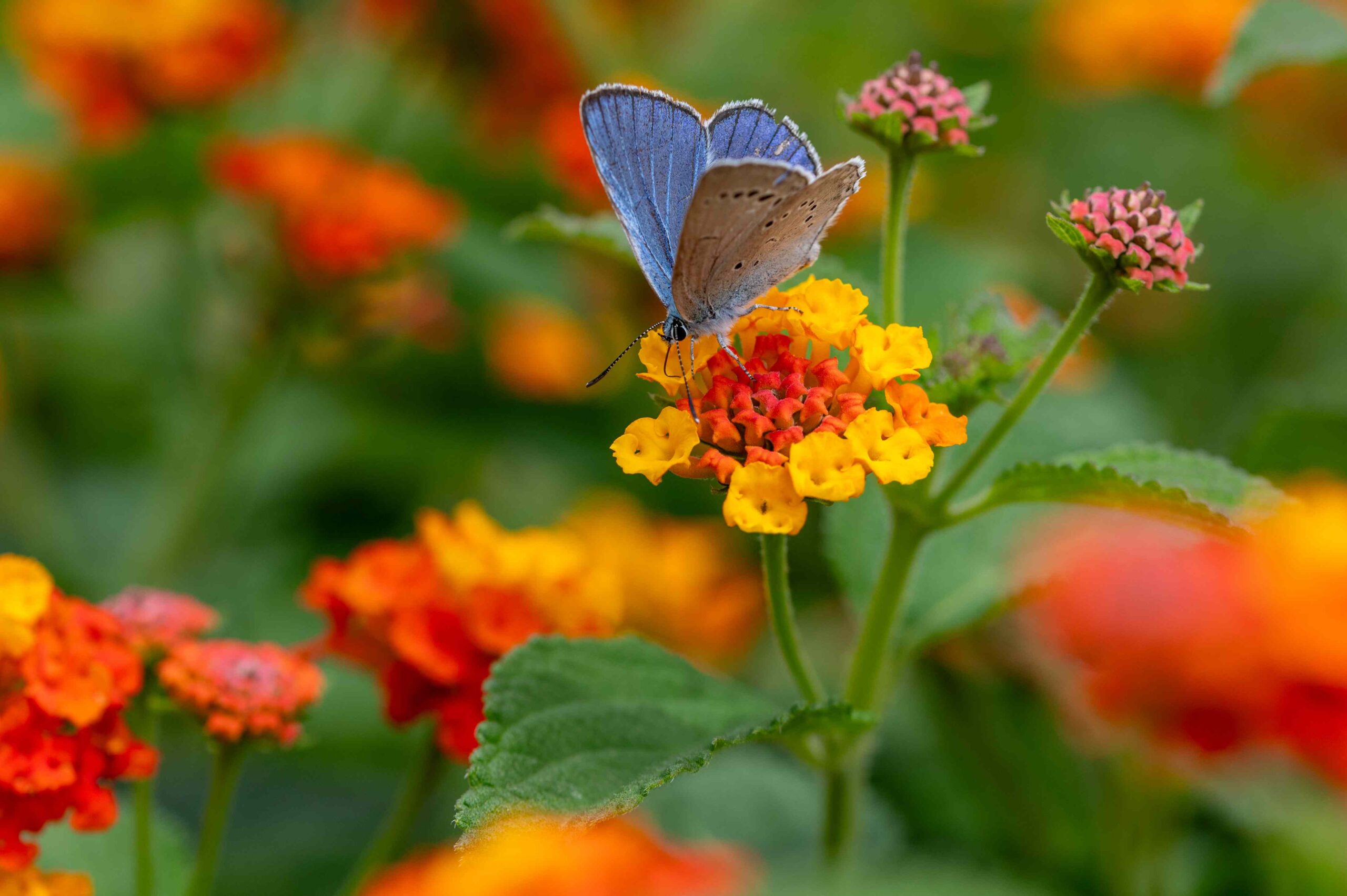
Hovis can name off countless reasons why Latana is a great addition to any low-maintenance garden.
“Latana is hard to beat,” she says. “It thrives in heat, requires very little supplemental water once established, is deer resistant, and blooms continuously, providing long-lasting color and pollinator support.”
Although fertilizing is not required for its survival, do it once a year, and it will reward you with even more of its colorful blooms. As a nice little bonus, butterflies in your neighborhood will flock to these flowers in droves.
Comments are closed.