

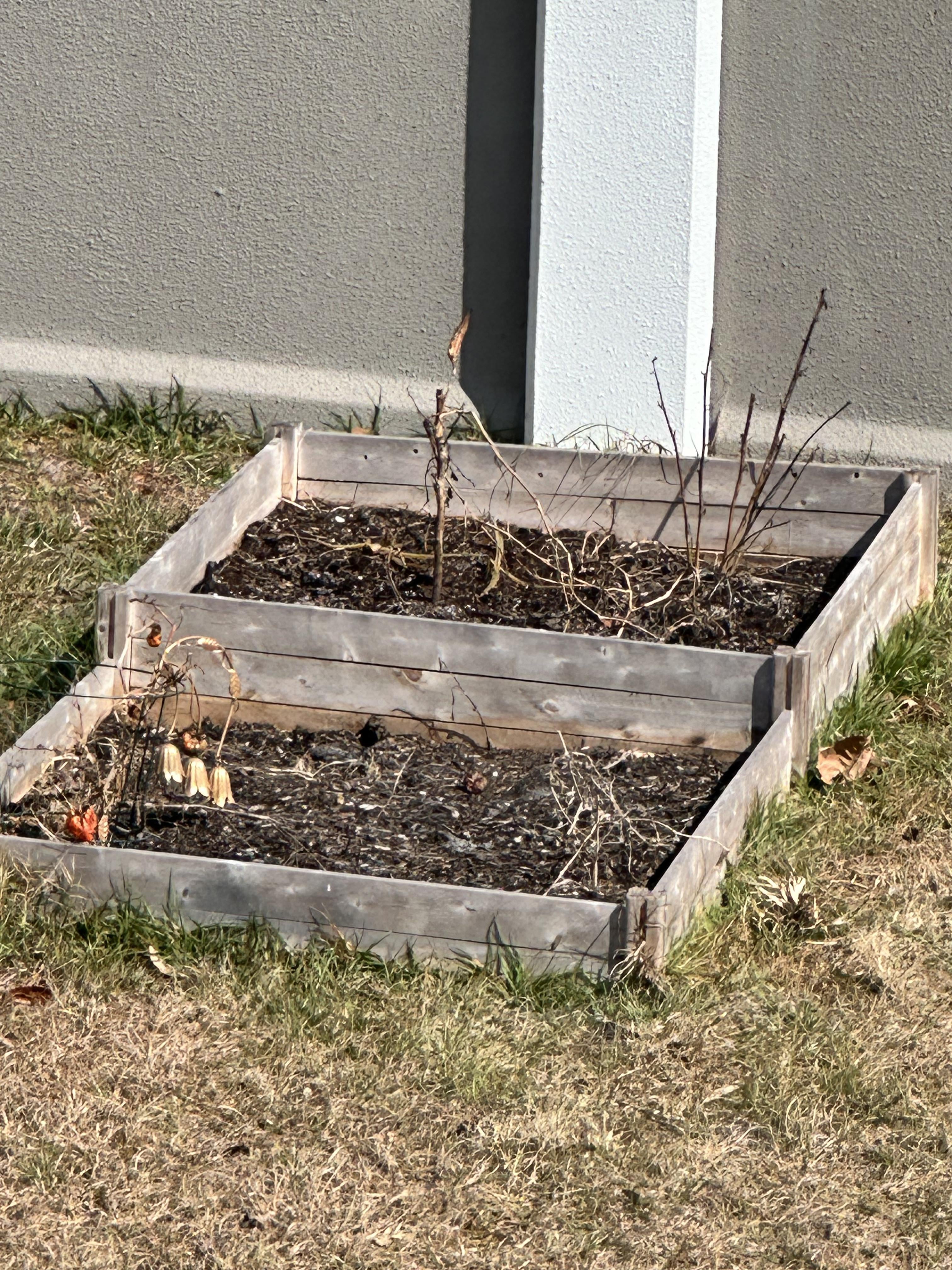
Hi everyone! I’m in Central Florida and could really use some advice from people who are actually pulling this off.
I’ve read the books, watched the videos, tried to follow the “rules”… and somehow I seem to be the opposite of a green thumb 😭
So far, the only things I’ve been able to grow with any real success are okra, tomatoes, sweet potatoes, and sweet peppers. Everything else either never germinates, dies as a seedling, or just completely gives up on life. Most of my seeds don’t even make it into baby plants.
I’m starting to wonder if I’m doing something fundamentally wrong for this climate, or if Central Florida gardening is just built different.
A few questions for those of you who grow veggies here:
• What crops actually do well for you in this heat, humidity, and chaotic weather?

• Do you direct sow or start seeds indoors?

• Where do you get your seeds from? Local nurseries, online sellers, saved seeds?

• Any beginner mistakes you see all the time that might explain why my seedlings never survive?
I really want to grow more of my own food, but right now it feels like Florida vs. my garden and Florida is winning 😅 Any advice, seed sources, or hard-earned lessons would be super appreciated.
The photo is of my vegetable garden after these cold fronts cold fronts🥲
by Agreeable-Ice4337
9 Comments
I live in Colorado so a little different, but I usually buy starts for about 50% of my garden (small nursery plants that are established, just have to transplant into the garden). I do this because I dont have any good indoor space to start seeds in spring, and it doesn’t get warm enough to sow seeds outdoors until early May. I still direct sow beans, carrots, cucumbers, squash but buy my pepper plants, tomatoes, etc. You will spend a little more money on starts, but it emilinates the early stages of gardening and provides a strong jumping off point for your plants.
You didn’t provide specific information on your process but I have a few preliminary tips. First off, I wouldn’t try starting seeds from the get-go. That’s its own process. I would make things easier on yourself at first and buy transplants from a nursery and get proficient at growing those. Also, I don’t know how deep those raised beds are (tricky to tell from the photo) but the soil depth looks particularly shallow. You really need at least 12″ of a high quality top soil/compost blend in order to successfully grow most things.
Beyond that, if you wanted to detail some of your process it could maybe help with more specific advice. I do love that you started small. Small is the way to go in the beginning. You’re on the right track! No one has a green thumb really. Gardeners just tend to wonder why a plant died and try again, adjusting their methods, instead of just giving up.
>>”So far, the only things I’ve been able to grow with any real success are okra, tomatoes, sweet potatoes, and sweet peppers.”
Just wanted to point out, that is not at all bad!
I’m in NE Texas, so conditions are different. I realize you mentioned you had read a lot and watched a lot of instructional videos. Just wondering about some of those “David The Good” ones that are specifically aimed at Florida conditions, (N Florida more than S Florida.) He always struck me as more of a “realist” than some popular content creators. I’ll try to return in a minute with a link.
Central Florida gardening is definitely built different. The timing alone is absolutely wild compared to other parts of the country. I was picking tomatoes and green beans right up until the cold front last week, for instance.
Beyond that, I never had much luck until I was able to put watering on a timer. Our spring is often super dry, the sun will burn everything in the summer, and the monsoons will flood out the garden in the fall. A winter garden has been my sweet spot so far. I planted in early September and got some decent summer squash, butternut squash, beans, tomatoes and peppers.
Following the cold snap last week, I took the opportunity to reset the garden by pulling out anything that was dead and top dressing with compost. It’s already too late to start seeds indoors this season so I picked up some peppers and tomatoes at the nursery.
Cucumbers, radishes and beans can all be direct sowed pretty soon. I’m in Tampa, so I took a chance this week but if you’re more inland or further north maybe give it another week or two.
For the greens, they generally prefer the cooler weather so now is probably the time, but your bed may just get too much light. Without knowing how you’re facing it’s tough to tell too much else.
Central Florida actually has two growing seasons. Spring and fall. Very few plants tolerate our summers (sweet potatoes and okra are exceptions). So, your tomatoes, beans, peppers, cucumbers, etc., you get a season in the spring and another in the fall.
Winter veggies do well for me. Broccoli, spinach, carrots, onions, even garlic (but they’re finicky). Their season lasts from fall to spring. I succession plant broccoli throughout the cool season so I get a new head every two weeks or so.
Direct sow or starting seeds indoors depends on the plant. Tomatoes are started indoors for sure. For the spring season you’re starting seeds when the threat of freeze and frost is at it’s greatest. For the fall season you’re starting seeds when it’s still blazing hot outside. I start broccoli and onions in containers and transplant into the ground, but they’re not necessarily started indoors. Cucumbers, carrots, beans and spinach are sown directly where I want them to grow.
The hardest part is pest management. We have every kind of terrible bug here that wants to eat your veggies. And once the summer rainy season comes, most things rapidly develop disease and die.
I’m in central Florida and interested in how you are growing tomatoes lol every time I try it’s either too hot, too cold, or they get hit by a hurricane lol
Mulch and Ollas could help, otherwise covering sheets and drip irrigation.
(I am swiss and I asume you have too hot of a climate?)
Edit: also shade cloth for some less heat tolerant stuff…
Input your zip code and enjoy!
https://floridafresh.ifas.ufl.edu/
Being in the south, you get 2 seasons. A spring and a fall. The summer months, it’s like the snow for the people up north. Have to grow with that in mind. Cool temp crops get put in the fall and warm temp crops, get put in the spring