
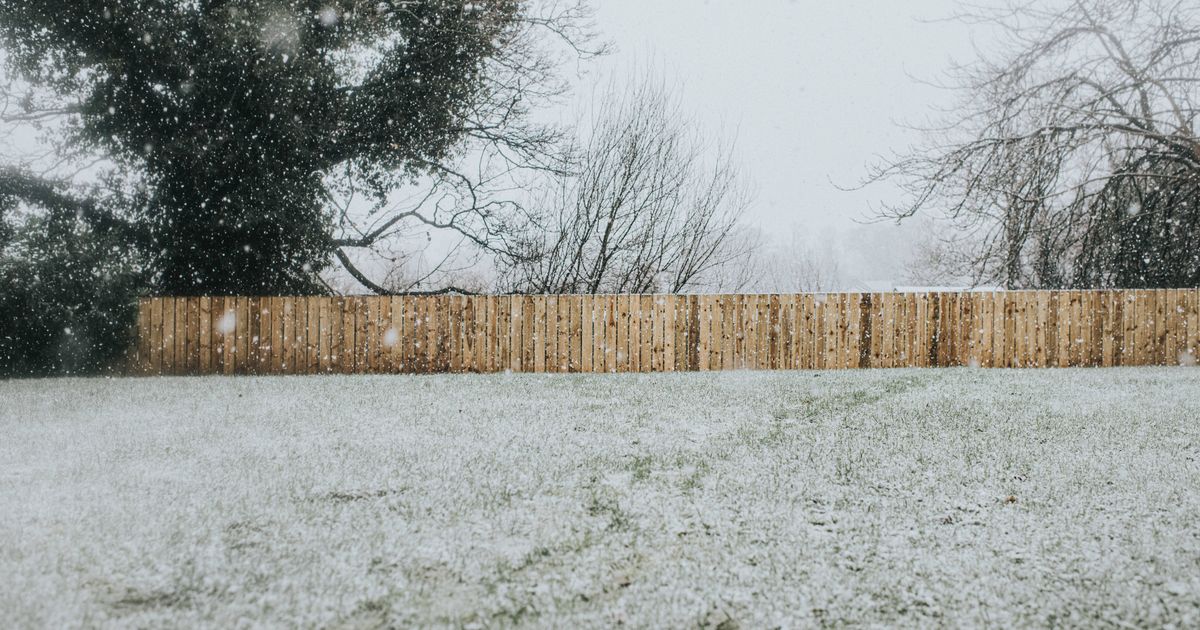
If you want to prevent damage to your lawn and have healthy grass growth throughout spring and summer, you should put off one garden task till later in the year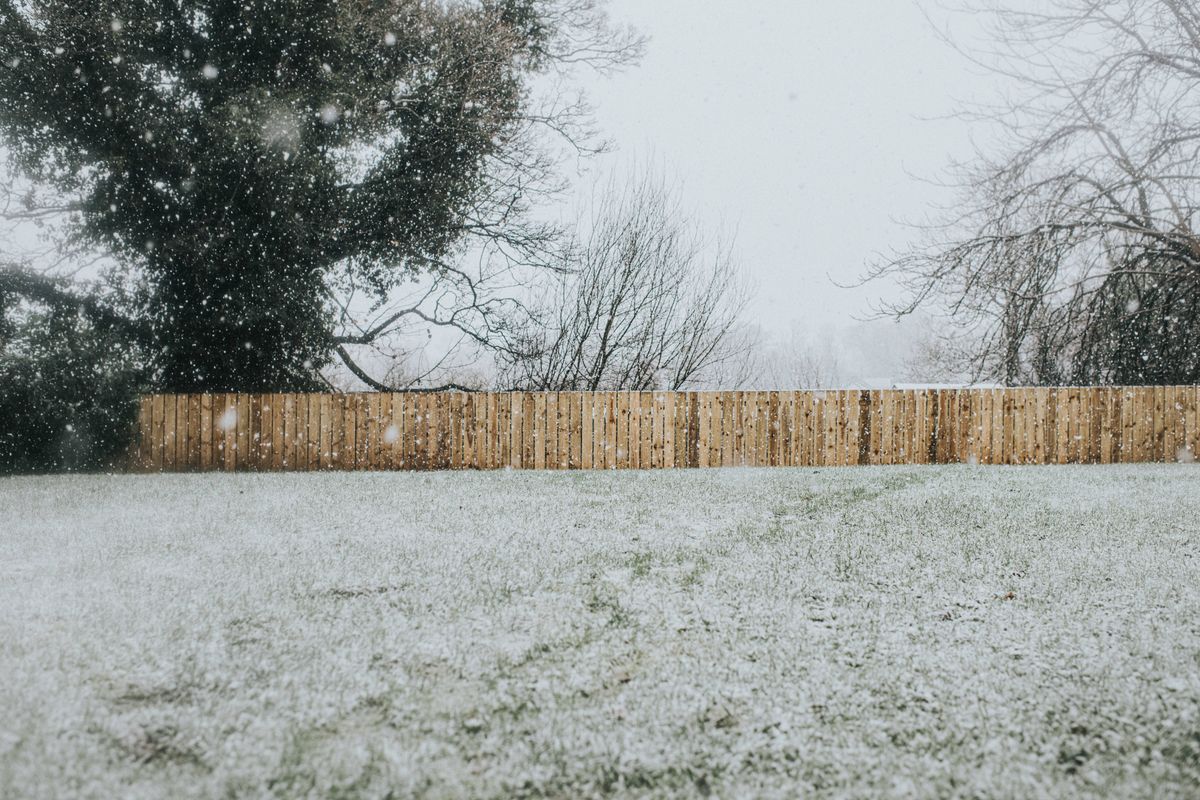
If you want a lush green lawn in spring and summer, you should put off one garden task till later in the year(Image: Catherine Falls Commercial via Getty Images)
Gardens can often appear unkempt in the late winter months, tempting many to whip out their lawnmower and start trimming the grass to spruce up their outdoor space before the weeds take hold. However, Lorienne Whittle, a specialist from the Woodland Trust, has cautioned green-fingered enthusiasts to leave their lawns be for at least another month to ensure proper regrowth.
She said: “Whether you love or hate maintaining your lawn, mowing is normally needed between March and October.” As we move through February, grass gradually awakens from its winter slumber, with lengthening days spurring on growth and giving weeds the chance to seed.
The urge to start mowing to get the garden shipshape ahead of spring can be strong, but it’s actually one of the most frequent mistakes that lead to lawn damage.
At this time, lawns are bouncing back after enduring the winter freeze, starting to soak up nutrients from the soil as they emerge from dormancy.
These nutrients act as an energy reserve, safeguarding the roots, and as the mercury rises, the lawn can start to generate robust growth that remains vigorous and healthy, reports the Express.
Trimming the grass at this point puts undue stress on the lawn and hampers its ability to build vital energy reserves, potentially leading to feeble grass.
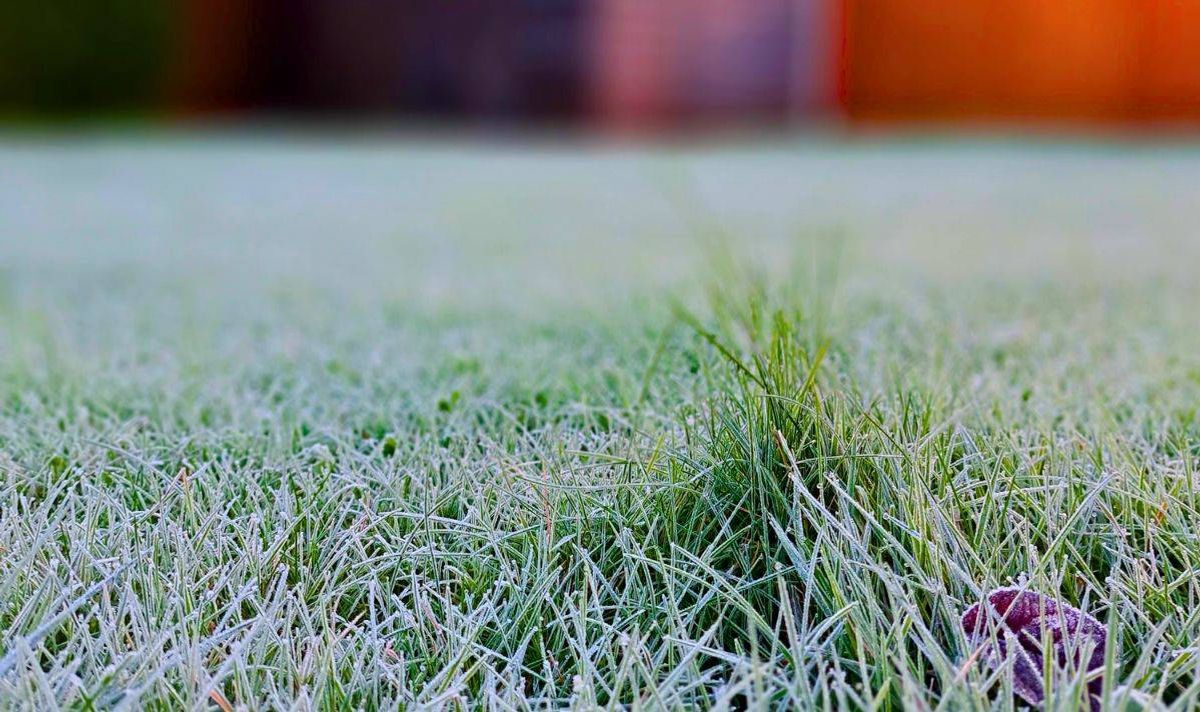
Gardeners are being advised to hold off cutting their lawn for at least another month(Image: Getty)
Mowing too early often results in the lawn growing back sparsely and increases the likelihood of it staying patchy throughout the year.
In the UK, it’s best to hold off until roughly March 18 before firing up the mower again, as the timing can significantly affect how your lawn looks throughout spring and summer.
That said, the precise date varies depending on your location, since grass should only be trimmed once daytime temperatures consistently exceed 8°C.
Soil temperature also needs to sit above 6°C before you start cutting, so picking up a soil thermometer might be worthwhile if you’re concerned about mowing prematurely.
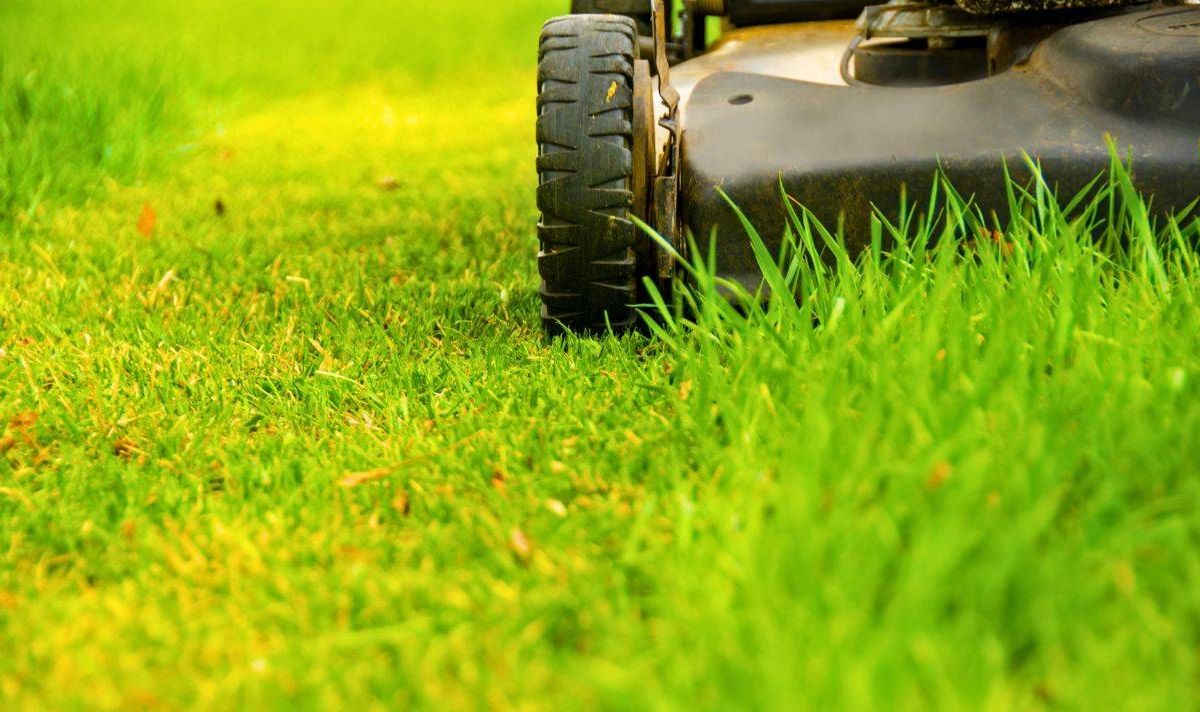
Only mow when the forecast is regularly above 8C and ground sound feels dry and firm(Image: Getty)
The easiest way to check if your lawn is ready is to feel the ground – if it still feels soggy and waterlogged, it’s too soon to break out the mower.
When you do tackle the first cut after winter, remember to take just a tiny bit off the top, as removing too much can leave your grass vulnerable to bare patches.
If gardeners exercise a bit of patience and delay tidying up their garden for just a little longer, they’ll be rewarded with gorgeously lush and vibrant grass for the remainder of the year.
Comments are closed.