

In residential areas, Extension Agent Mary Dossett notes that deer, raccoons and squirrels are among the most common sources of concern. Deer are known to browse heavily on landscape plants and vegetable gardens, while raccoons often create problems by entering chimneys or nesting under decks. Squirrels, meanwhile, frequently dig up bulbs, chew on siding and raid bird feeders.
Metro Creative
As gardeners and farmers prepare for another growing season, wildlife conflicts continue to be a common concern across neighborhoods and agricultural areas in western Kentucky. From burrowing animals to seed-stealing rodents, these encounters can be frustrating, but University of Kentucky Extension experts stress that prevention and informed management are key.
According to Mary Dossett, Agent for Horticulture with the University of Kentucky McCracken County Extension Office, wildlife complaints are one of the most frequent calls her office receives.
“Recently, armadillos have become a problem in our area,” Dossett said. “They can cause damage by digging holes and burrowing under structures, which can affect lawns, gardens and even building foundations.”
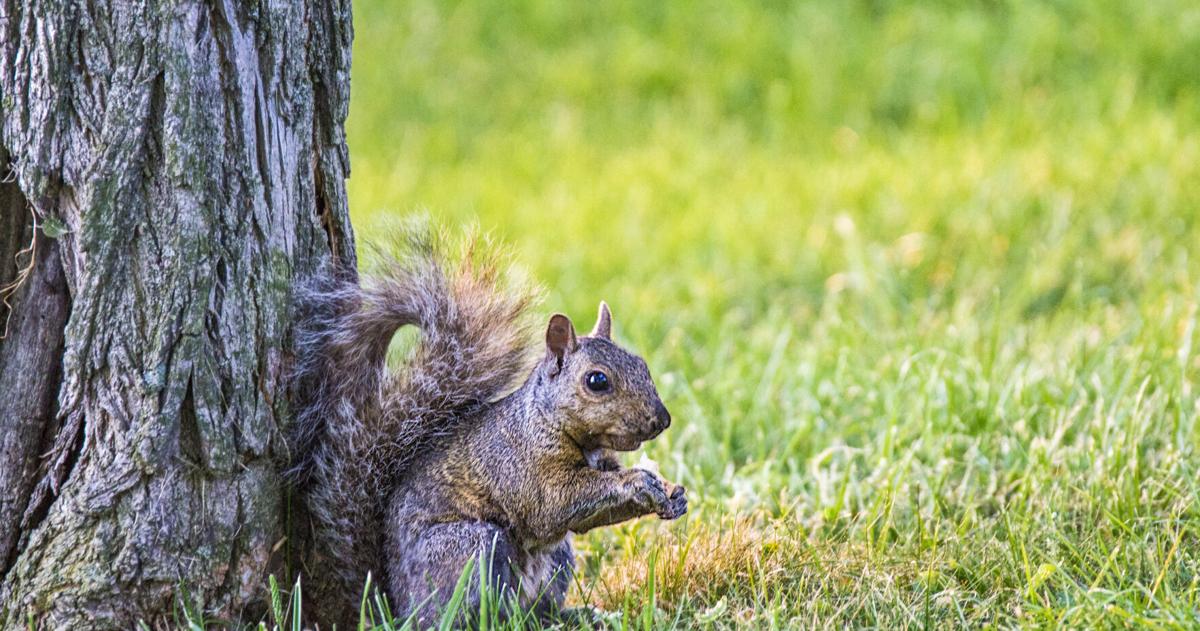
In residential areas, Dossett notes that deer, raccoons and squirrels are among the most common sources of concern. Deer are known to browse heavily on landscape plants and vegetable gardens, while raccoons often create problems by entering chimneys or nesting under decks. Squirrels, meanwhile, frequently dig up bulbs, chew on siding and raid bird feeders.
“For raccoons, one of the most important steps is eliminating food sources,” Dossett explained. “That means not leaving trash, pet food or unsecured containers outside. Motion-activated lights can also help deter nighttime activity.”
Guidance by Thomas G. Barnes, extension wildlife professor and specialist with the University of Kentucky, emphasizes that wildlife conflicts should be addressed thoughtfully rather than reactively. The information, originally developed by Dave Pehling, an extension analyst with Washington State University, highlights that vertebrate pests are far more difficult to manage than insects or weeds.
“Each situation must be evaluated individually,” Barnes noted in The Kentucky Master Garden Manual Chapter 19: Vertebrate Pest Management, considering factors such as the species involved, severity of damage, season, legal status and available control methods. Importantly, the goal is not eradication but reducing damage.
Many wildlife species reproduce quickly and are highly adaptable. Well-maintained gardens, compost piles, bird feeders and lush lawns often provide ideal habitat. As a result, eliminating attractants is one of the most effective long-term strategies.
Extension specialists caution against relying on home remedies or unapproved products. Some commonly suggested methods, such as using mothballs or antifreeze, are illegal, hazardous to people and pets and can result in serious legal consequences. Homeowners are urged to use only products labeled for wildlife control and to follow all directions carefully.
Among the most misunderstood animals are moles, which are often blamed for plant damage they do not cause. Moles feed primarily on earthworms and soil insects, not plant roots. Their damage comes from surface tunneling that creates ridges in lawns, especially in spring and fall. Targeting active tunnels with traps or approved baits is the most effective control method.
Voles, sometimes called meadow mice, are true rodents and cause extensive damage by feeding on bulbs, roots, bark and shrubs. Their activity often goes unnoticed until plants begin to decline. Managing vegetation is critical, as voles prefer thick mulch and dense grass. Pulling mulch away from plant bases, reducing thatch and using hardware cloth barriers around trunks can significantly reduce damage.
Cottontail rabbits are another frequent garden pest, particularly during winter and early spring when they feed on bark and tender shoots. Fencing remains the most reliable solution. A 2-foot-high mesh fence buried several inches into the ground can effectively exclude rabbits from gardens and flower beds.
Tree squirrels, including fox and gray squirrels, damage gardens by digging up seeds, eating produce and gnawing on structures. Hardware cloth placed beneath soil can protect bulbs and seeds, while barriers on tree trunks help prevent access to fruit trees.
Extension professionals emphasize that coexistence, paired with prevention, is often the most realistic solution. Clean landscapes, secure food sources, proper fencing and physical barriers can greatly reduce conflicts without harming wildlife.
To help residents better understand wildlife management options, the McCracken County Extension Office will host a free educational program on wildlife control on Feb. 3 at 5 p.m. The event is open to the public, and registration is available online at mccracken.mgcafe.uky.edu/events/wildlife-around-home.
Comments are closed.