
 article
(Photo by Jaap Arriens/NurPhoto via Getty Images)
DALLAS – Texas is such a large state that there are plenty of opportunities for growth here, whether that is for you personally or for your plants.
Planting vegetable seeds or transplants at the correct time is important to getting the most out of your garden.
Urban Farmer, a provider of non-gmo seeds and plants for gardeners, farmers and commercial growers, provides information to Texans on the first and last frost dates in the state, to help you decide when to start planting your vegetable seeds.
Understanding Texas hardiness zones
Big picture view:
The U.S. Department of Agriculture (USDA) has marked Texas as a warmer state, ranging in USDA Hardiness Zones 6-9. The zones get warmer the further south you reside in the state.
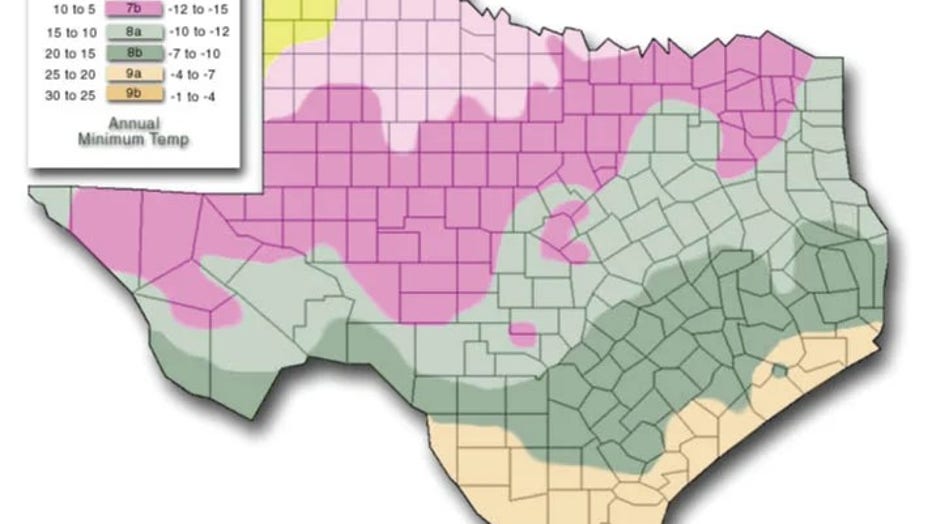
Based on the USDA Plant Hardness Zone Map
2026 frost dates and regional timing
Local perspective:
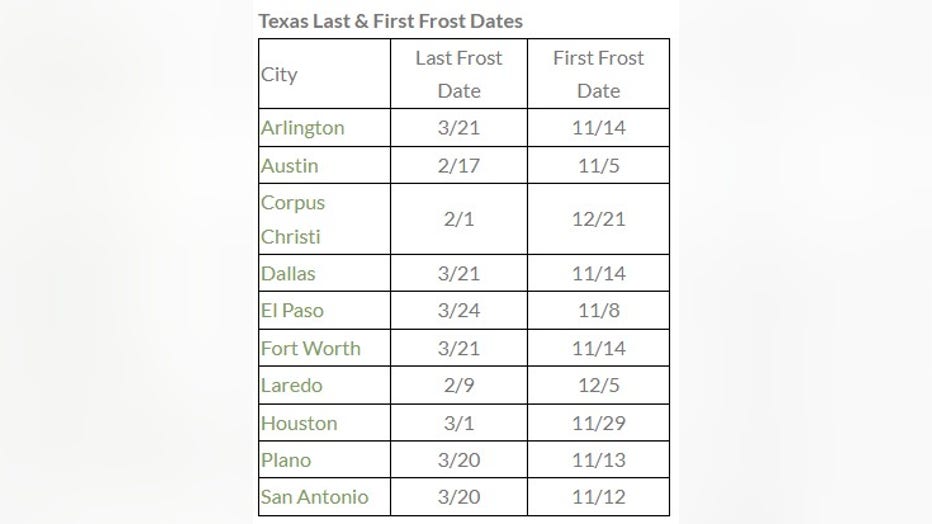
The Urban Farmer has put together a vegetable planting calendar, and listed the last frost dates. The earliest is expected to be Feb. 1 in Corpus Christi and the latest is expected to be March 24 in El Paso.
All dates listed are based on statistics and there is a 10% chance that frost will occur before or after these dates. Watch your local weather for more accurate dates.
Dig deeper:
Make sure you are planting vegetables at the right time this year and avoid any risk of planting cold-season vegetables during the summer.
Zone 6 includes the Texas Panhandle
Zone 6 includes the city of Amarillo, along with parts of 27 different Texas counties that are located in the Panhandle of Texas.
Here are the specific vegetables to start planting and the recommended months to start planting them in 2026:
March: Begin beets, broccoli, cauliflower, kale, lettuce, onions, peas, spinach and other cool-weather crops inside at this time.April: Transplant beets, broccoli, cauliflower, kale, peas and spinach outdoors. Begin with carrots, tomatoes and peppers inside.May: Transplant carrots and onion outdoors. Begin with squash, corn, cucumbers, beans, Brussels sprouts and cabbage indoors.June: Transplant peppers and tomatoes outdoors.July: Transplant beans, cabbage, Brussels sprouts, corn, cucumbers and squash outdoors. Begin planting spinach, carrots, beets and broccoli indoors to start the fall harvest crops.August: Begin kale, lettuce and peas indoors. Transplant spinach outdoors.September: Transplant kale, lettuce, peas, carrots, broccoli and beets outdoors. 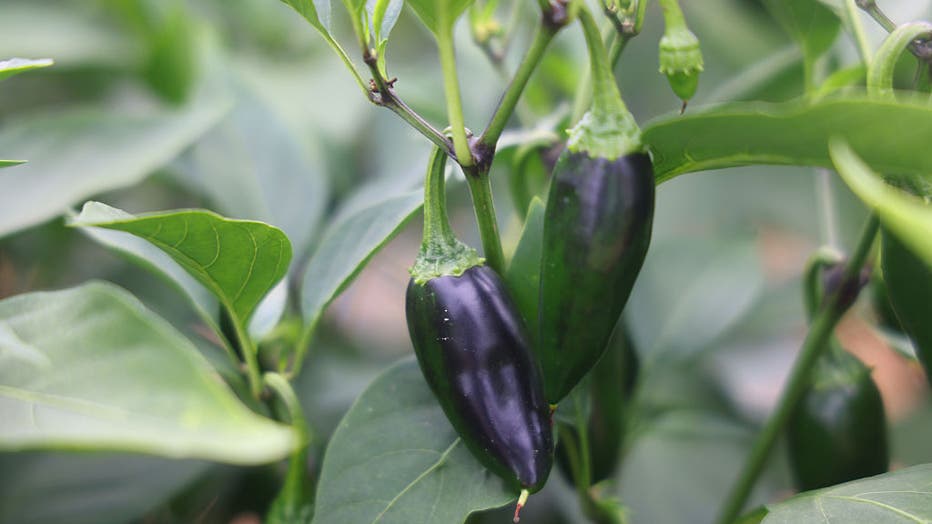
(Photo by Creative Touch Imaging Ltd./NurPhoto via Getty Images)
Zone 7 includes DFW Metroplex
Zone 7 is located in North Texas and some parts of the panhandle. This zone includes the large metropolitan cities of Arlington, Dallas, Fort Worth and Plano. For these specific major cities, the last frost date is expected to be on or around March 20.
Here are the specific vegetables to start planting and the recommended months to start planting them for Zone 7 in 2026:
February: Begin with broccoli, cauliflower and peas indoors.March: Begin beets, cabbage, carrots, kale, lettuce, onions, peppers, spinach and tomato indoors. Near the end of March, transplant broccoli, carrots, peas and cauliflower outdoors.April: Transplant kale, lettuce and spinach outdoors. Begin with beans and Brussels sprouts indoors.May: Transplant onions, peppers and tomatoes outdoors. Begin corn, cucumbers and squash indoors.June: Transplant beans, Brussels sprouts, corn, cucumbers and squash outdoors.July: Begin cabbage indoors.August: Begin beets, broccoli, carrots, cauliflower, kale, lettuce, peas and spinach indoors. Near the end of the month, transplant cabbage outdoors.September: Transplant beets, broccoli, carrots, cauliflower, kale, lettuce, peas and spinach outdoors for the fall harvest. 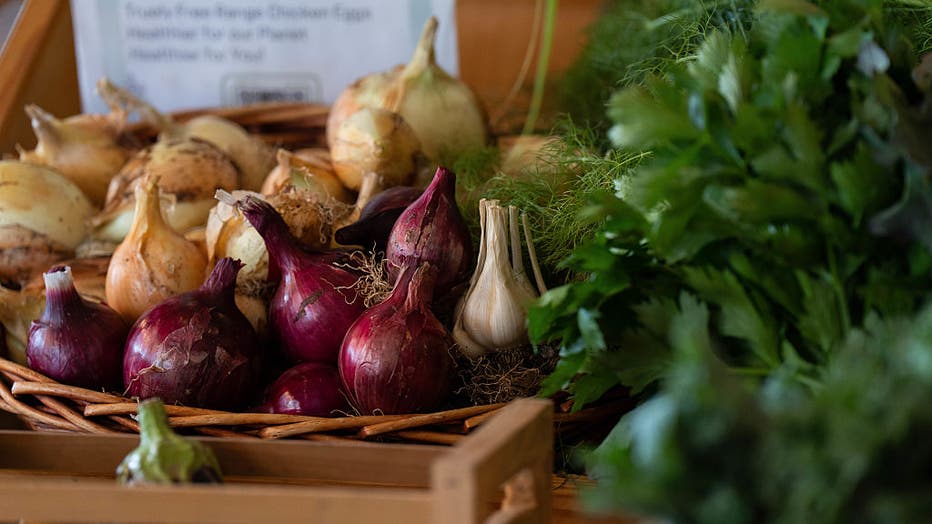
(Sharon Steinmann/Houston Chronicle via Getty Images)
Zone 8 includes Austin, El Paso, Tyler
Zone 8 is located across Central Texas and includes parts of Southeast Texas, Deep East Texas and West Texas. This zone includes the large metropolitan cities of Austin, parts of Houston, El Paso, San Antonio and Tyler. For these specific major cities, the last frost date is expected to be as early as Feb. 17.
Here are the specific vegetables to start planting and the recommended months to start planting them for Zone 8 in 2026:
February: Begin beets, broccoli, cabbage, carrots, cauliflower, kale, lettuce, onions, peas, peppers, spinach and tomatoes indoors.March: Transplant beets, broccoli, cabbage, carrots, cauliflower, kale, lettuce, peas and spinach outdoors. Begin beans indoors.April: Transplant onions, peppers and tomatoes outdoors. Begin with Brussels sprouts, squash, corn and cucumbers indoors.May: Transplant Brussels sprouts, corn and cucumbers outdoors.June: Transplant beans and squash outdoors.August: Begin beets, broccoli, cabbage, carrots, cauliflower, kale and lettuce indoors.September: Transplant beets, broccoli, cabbage, carrots, cauliflower, kale and lettuce outdoors. Begin peas and spinach indoors.October: Transplant peas and spinach outdoors. 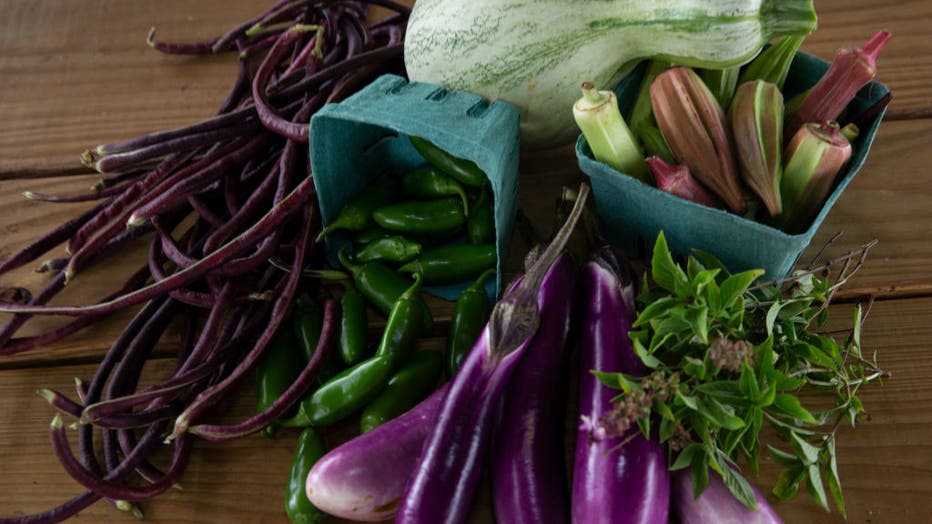
(Photo by Yi-Chin Lee/Houston Chronicle via Getty Images)
Zone 9 includes South Texas, Rio Grande Valley
Zone 9 is located in the Rio Grande Valley, South Texas and includes parts of Southeast Texas. This zone includes cities such as Corpus Christi, Laredo, parts of Houston and McAllen. For these specific cities, the last frost date is expected to be as early as Feb. 1.
Here are the specific vegetables to start planting and the recommended months to start planting them for Zone 8 in 2026:
January: Begin broccoli, lettuce, onions, peas, peppers, spinach and tomatoes indoors.February: Begin beets, beans, cabbage, carrots, cauliflower, corn and cucumbers indoors. Transplant beets, broccoli, cabbage, lettuce, peas and spinach outdoors.March: Transplant cauliflower, tomatoes, peppers, onions, cucumbers, corn, carrots and beans outdoors. Begin with Brussels sprouts and squash indoors.April: Transplant Brussels sprouts and squash outdoors.July: Begin peppers and tomatoes inside for a second season.August: Begin broccoli, corn and cucumbers inside.September: Begin beans, beets, cabbage, carrots, cauliflower, lettuce and spinach indoors. Transplant peppers, tomatoes and broccoli outside.October: Transplant beets, beans, cabbage, carrots, cauliflower, corn, cucumbers, lettuce and spinach outside. Begin peas and kale inside.November: Transplant peas and kale outside. Rainfall data and climate resources 
By the numbers:
Average annual rainfall in Texas varies widely depending on location. The National Weather Service produces climate normals every 10 years for the previous 30-year period. From 1991-2020, the annual precipitation totals for cities in Texas can be found here.
The Source: Information in this article was provided by ufseeds.com, the U.S. Department of Agriculture (USDA) and the National Weather Service (NWS).
TexasFood and DrinkHouse and HomeConsumer
Comments are closed.