
February is one of the coldest months of the year in the UK. By this point, winter has been here for weeks, and the long stretch of cold weather begins to take its toll. Frost builds up, the ground stays hard for longer, and food becomes much harder to find in gardens and parks for animals. It is often the time when wildlife struggles the most, because energy reserves are low and nights are still long.
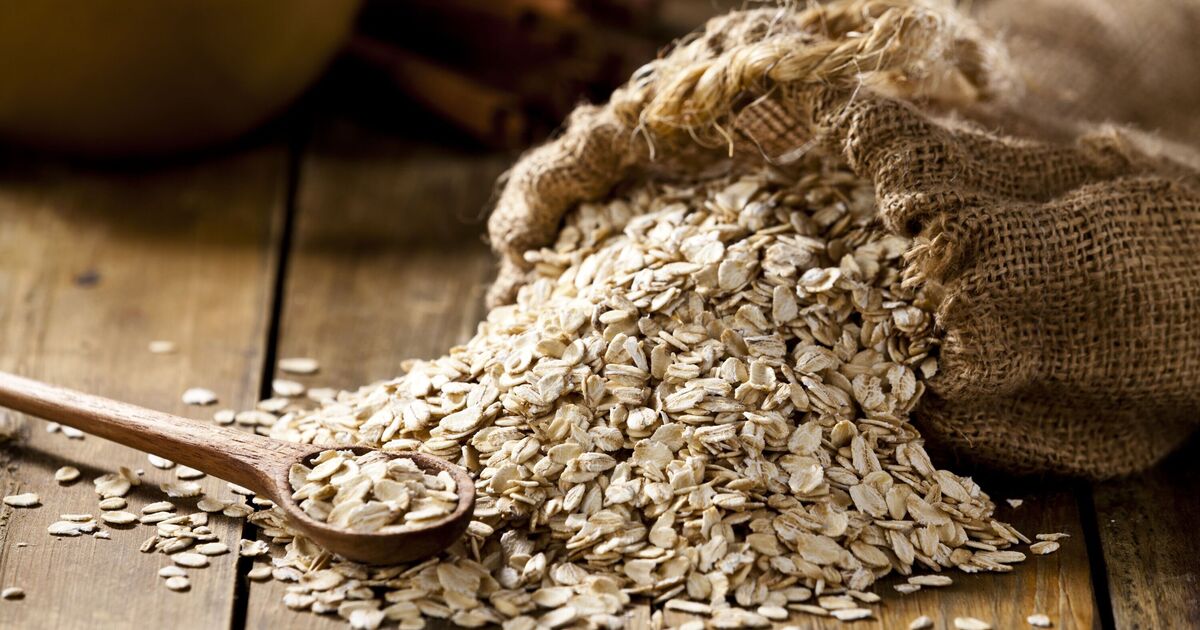
That is why experts say the first week of February is a crucial time to help the animals that rely on our outdoor spaces. With that in mind, gardeners are being urged to put out simple household items such as rice and porridge oats to give struggling birds a boost.
They need extra calories to stay warm, but have fewer daylight hours to search for food and many of their natural sources have run out.
The charity explained that every day, kitchen scraps can make a real difference. Mild grated cheese, bruised fruit, cooked rice, unsalted bits of hard fat, roast potatoes and dry porridge oats are all recommended.
These foods are easy to scatter outdoors, and the RSPB says they “go down a treat with garden birds”.
Bought food works too. Mixed seed, sunflower seeds, nyjer seed and good-quality peanuts all provide the high-energy boost birds need during a cold snap.
However, gardeners are being warned not to put out certain foods. Cooking fat from roasts should never be used because it mixes with meat juices to form a greasy layer that sticks to feathers and stops birds from being waterproof.
Dried coconut, cooked porridge oats, milk and any mouldy or salted food should also be avoided.
The RSPB stresses that food alone is not enough. Birds also need clean water for drinking and bathing, even in freezing weather.
Gardeners are asked to break the ice on bird baths each morning and top them up with fresh water.
Keeping feeders clean is just as important. The charity recommends washing them once a week with a mild detergent and removing any spoiled or unused food to prevent disease.
Shelter is the final part of the picture. When icy winds pick up, birds need somewhere safe to hide and conserve heat.
Dense hedges such as privet, hawthorn, ivy and holly all provide good cover. Nestboxes are also used heavily at this time of year, with some species sharing the same box to stay warm.
The RSPB says the record is 63 wrens in a single nestbox on one winter night.
Comments are closed.