
While oats are a kitchen staple for many households, you might also find yourself putting them in soil to help your garden plants grow.
It’s a natural fertiliser, but it can also attract some unwanted guests, including rodents.
Native wild animals in the UK
Are oats a good fertiliser for plants?
Homes and Gardens shared: “Oatmeal actually has two surprising benefits for plants to discover.
“Not only does it contain valuable nutrients that plants need, but oatmeal can also successfully deter a wide range of garden pests.”
The publisher added: “Oats contain many nutrients needed for healthy plants, including the main three of nitrogen, phosphorus and potassium.
“It is particularly high in phosphorus, which is key to strong root growth, and oats also contain good levels of magnesium, calcium, copper, and zinc – which are all vital in contributing to overall healthy plant growth.”
However, you’ll need to think about the pests it attracts too.
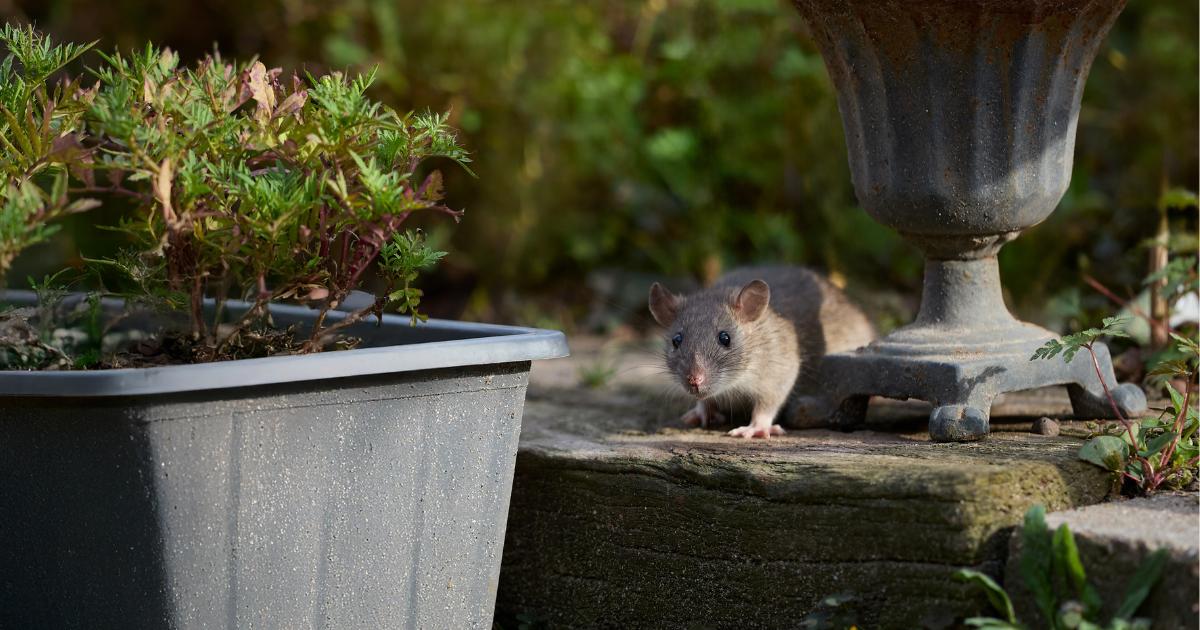
Rats are attracted to food sources, including oats and grains (Image: Getty)
Paul Blackhurst, Head of Technical Academy at Rentokil Pest Control, told Newsquest: “Rats are omnivores, but they have a strong preference for grains.
“This means oats are likely to attract rats if used in gardens as a natural fertiliser, particularly when applied in large quantities or left exposed.”
You might find more than just rats eating the oats from your plants, as Paul continues: “Other rodents, such as house mice and field mice, may also take advantage of this type of readily available food source.”
How to avoid attracting rats to your garden with oats
Paul added: “When looking to improve your soil health, consider mulch to lock in moisture and suppress weed growth and manure to provide nutrients to enhance soil structure and fertility.
“To reduce the risk of attracting rodents into your garden, avoid leaving oats, bird seed and household food waste exposed.
Best flowers to plant in spring
“Further steps you can take include ensuring compost bins and dustbins are securely covered, your garden is kept tidy, and overgrown areas are cut back.”
He suggests: “Removing potential nesting sites, such as wood piles and garden clippings, can also make a big difference.
Recommended reading:
“It’s equally important to seal any small gaps in sheds or outbuildings, as rats need openings of just 15mm to gain access.
“There are several DIY rodent control products available for home use, but if you’re concerned that rats may be nesting in your garden, the safest and most effective option is to contact a professional pest controller.
“They can accurately identify the problem and put appropriate control measures in place.”
Which natural fertilisers do you use in your garden? Let us know in the comments.
Comments are closed.