
Key Points
Heavy snow can weigh down foliage and branches, causing breakage even on hardy plants.
Prevent damage by choosing resilient varieties, pruning properly, watering well, and mulching before winter.
After storms, gently brush snow off shrubs and call a pro if broken branches require risky pruning.
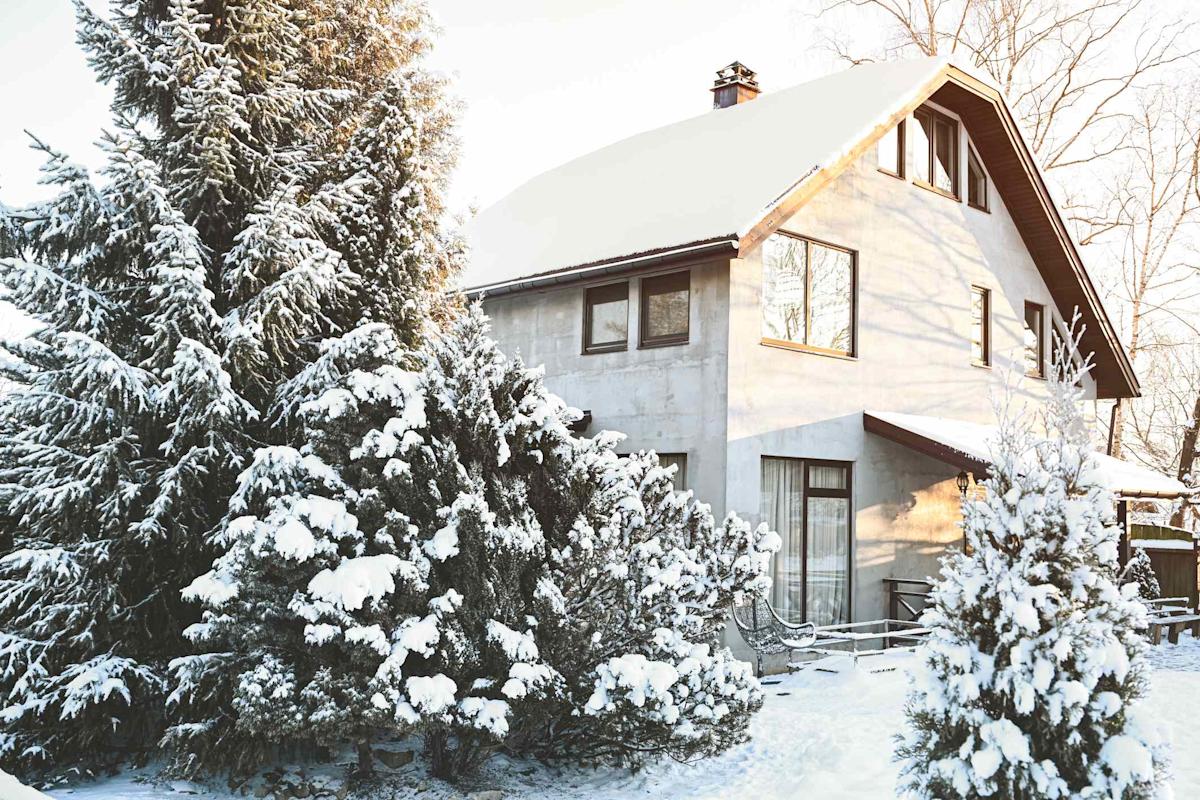
A blanket of snow can turn your yard or garden into a winter wonderland, but heavy snow can cause damage to perennial plants, trees, and shrubs. With a little prep and a few recovery tips, you can minimize snow damage and ensure that your plants bounce make it to spring healthy and thriving.
What to Do If Snow Crushes Your Plants
If snow crushes your plants, you may not need to do anything, but that depends on the plant. For example, perennials with remaining greenery should have no problem regrowing in spring, as their foliage dies back for winter anyway.
Cool-season crops like kale and other brassicas will likely sustain little to no damage from a light dusting of snow, as long as leaves and stems aren’t broken under the weight.
However, a heavy blanket of snow can cause damage to trees, shrubs, and other plantings in your yard or garden. A little prevention and a few smart recovery strategies can help you safely manage snow with minimal damage to the plants in your yard or garden.
How to Prevent Snow Damage to Your Plants
Thinking ahead during the growing season can help you minimize snow damage to your plants, trees, and shrubs. Follow these steps to keep plants in good shape before winter weather sets in.
Plant resistant varieties: Choose plants and trees that are cold-hardy and wind-resistant to reduce the chance of winter snow damage.
Prune trees and shrubs for structure: Stay on top of annual pruning, which typically happens in late winter or early spring. Prune with structural integrity and strong branches in mind while trees are young to prevent more serious damage from snow and ice as they mature.
Protect plants in late fall: Keep plants and trees well watered in fall and add a few inches of organic mulch around your plants before winter sets in to give them better resistance to cold damage.
Stop pruning and fertilizing in late summer: These activities can stimulate new growth that may not be sufficiently hardened off before cold, snowy weather hits.
How to Help Your Plants Recover From Snow Damage
While exposure to snow isn’t necessarily bad for your plants, the weight of a heavy layer can damage branches, stems, and even tree trunks. Here’s how to help your plants recover after a snowfall.
Assess plantings for damage: After the snow stops, examine plants for damage. Small issues like broken twigs or damaged foliage should not harm the plant in the long term. Stay safe by keeping your distance from large broken limbs or trunks or those high up on the tree until you can consult a professional.
Remove heavy snow from shrubs and small trees: Use a broom or other implement to remove snow from shrubs by brushing upward. Start with the bottom branches to avoid adding more weight to lower limbs. Leave frozen snow place.
Avoid removing snow from mature trees: Due to their height and size, it doesn’t make sense to try to remove snow from all but the smallest trees. Instead, leave it in place to melt naturally.
Take note of damaged limbs: Note any broken limbs or other damage to trees and shrubs. Plan to prune back affected areas in late winter.
Know when to call a professional: Never attempt to touch or prune broken branches or downed trees on power lines. Contact your power company to report the issue and call a certified arborist or other tree care professional to handle the job safely.
Read the original article on The Spruce
Comments are closed.