
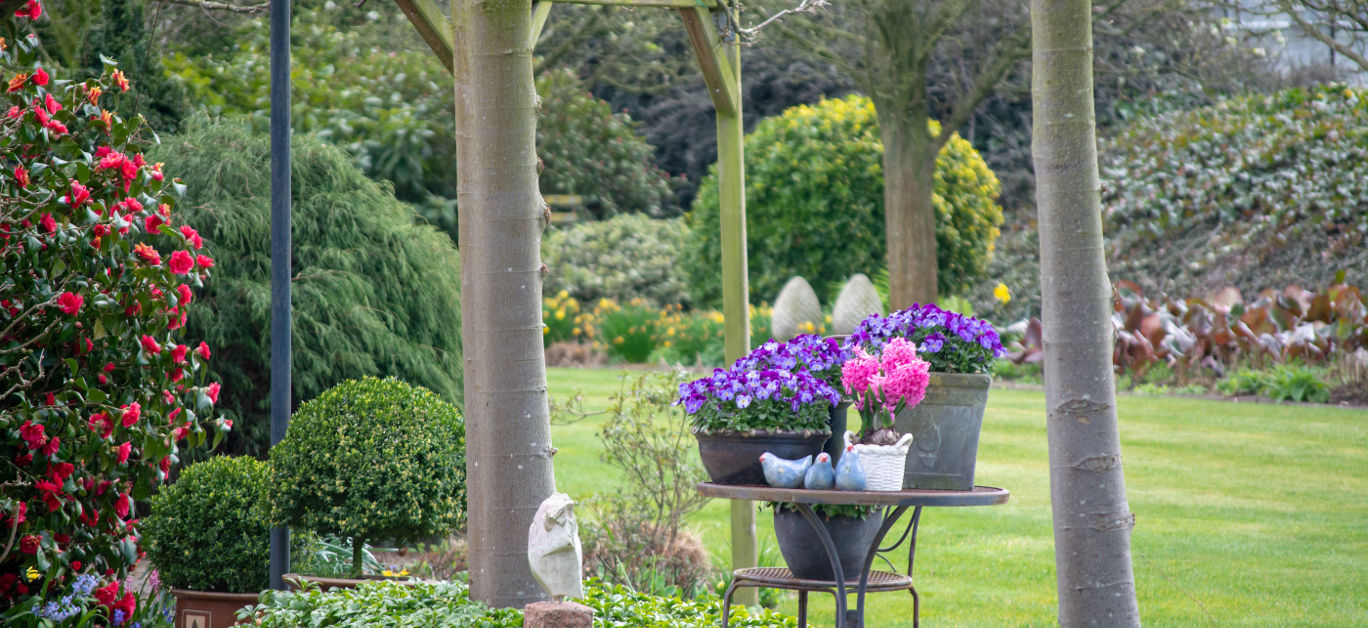
Most property investors obsess over kitchens and bathrooms. They’ll spend £80,000 on Italian marble worktops and underfloor heating, then plant a few shrubs from the garden centre outside and wonder why their property sits on the market for months.
The outdoor space is the first thing potential buyers see. It sets expectations before they’ve even pressed the doorbell. Yet it’s consistently the most undervalued aspect of high-end property development and renovation.
Professional garden design isn’t about pretty flowers. It’s about creating an asset that appreciates alongside your property. When executed properly by specialists like MacColl and Stokes Landscaping, premium outdoor spaces can add between 15 per cent and 20 per cent to property values in desirable postcodes. In some cases, significantly more.
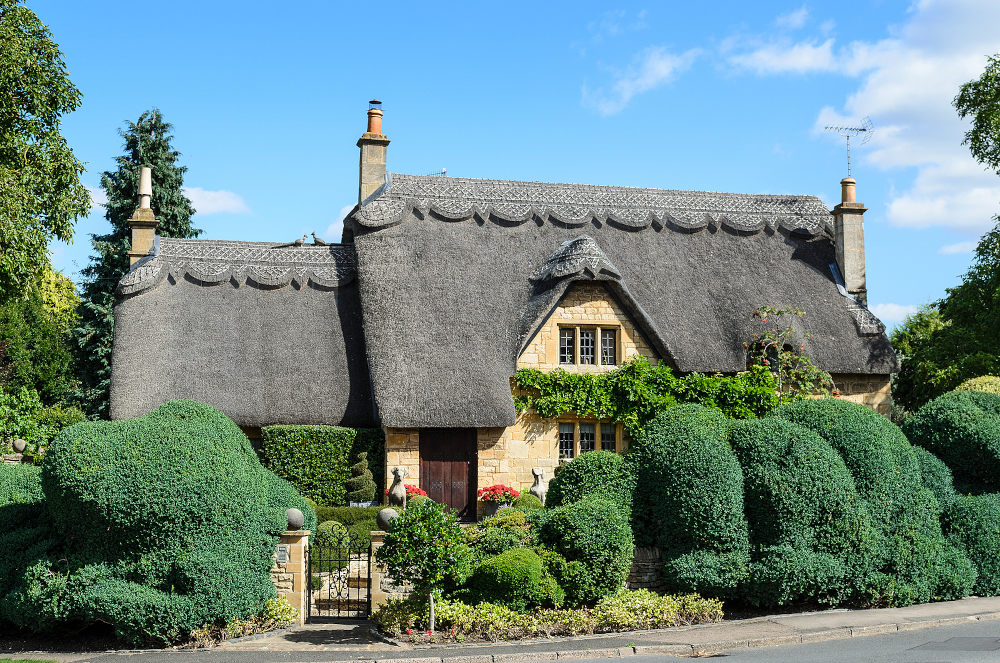 The outdoor space is the first thing potential buyers see. Image credit: iPics_Photo/Bigstock.com
The economics of outdoor space
A 2024 study by the Royal Institution of Chartered Surveyors found that well-designed gardens in properties valued over £1 million contributed an average of 18 per cent to the final sale price. That’s £180,000 on a million-pound home. Few interior upgrades deliver that kind of return.
The calculation changes further up the market. In the £3 million to £5 million bracket, buyers expect exemplary outdoor space as standard. Without it, properties simply don’t sell. The garden stops being a value-add and becomes a deal-breaker.
Location matters, obviously. A Chelsea townhouse garden holds different value to rural Cotswolds acreage. But the principle remains constant across markets. Quality outdoor design lifts property appeal and sale price, regardless of setting. What constitutes ‘quality’ is where most property owners get it wrong.
Why garden centre solutions don’t work at this level
The affluent buyer can spot corner-cutting instantly: cheap paving cracks within two winters, timber decking that hasn’t been properly treated warps and splinters, planting schemes without structure look messy by the second season. None of this inspires confidence in a property’s overall maintenance.
High-net-worth buyers are purchasing a lifestyle, not just square footage. They want to see craftsmanship in every detail. The same attention to quality in the garden as in the kitchen. Consistency signals proper stewardship of the entire property.
Materials matter enormously. Natural stone, properly laid with correct drainage and foundations, lasts decades and improves with age. Porcelain paving offers contemporary aesthetics with minimal maintenance. Reclaimed materials add character and sustainability credentials.
According to research published by the UK Green Building Council, sustainable design elements increasingly influence purchasing decisions in the luxury property market. Buyers want beauty without environmental guilt. Gardens that incorporate native planting, water management, and habitat creation tick both boxes.
The installation quality matters as much as material choice. A beautifully designed garden installed by inexperienced contractors becomes an expensive maintenance headache. Drainage issues, subsidence, poor soil preparation, all create problems that compound over time.
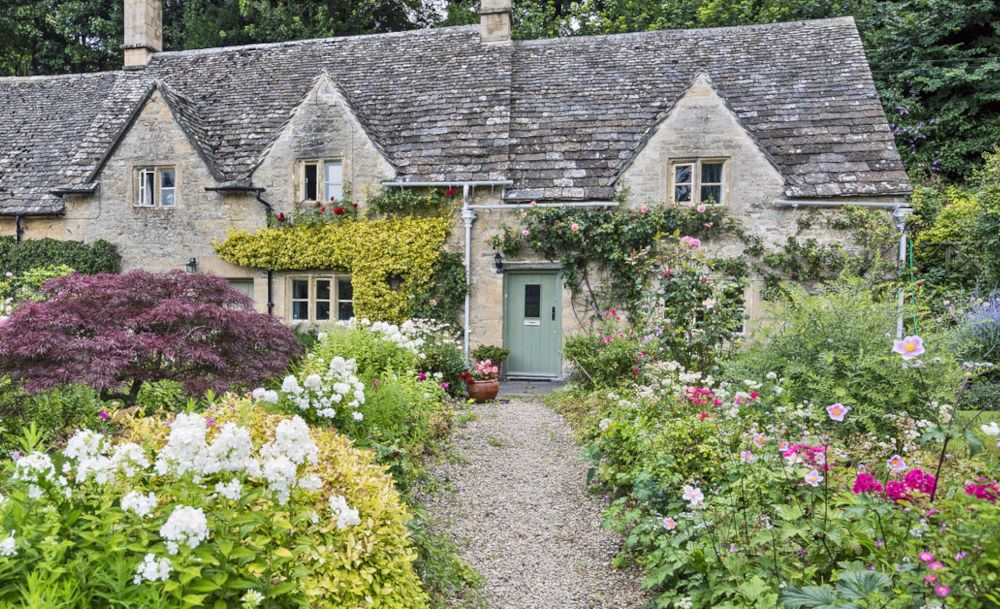 Gardens that incorporate native planting, water management, and habitat creation are desirable for environmentally conscious buyers
Understanding the luxury buyer’s perspective
The affluent buyer views property differently to the broader market. They’re not just buying a house, they’re acquiring a private sanctuary. Somewhere to decompress from demanding careers, a space to entertain clients or friends, an environment that reflects their success and taste. The garden either supports or undermines that vision.
A well-designed outdoor space extends the living area. It creates zones for different uses – morning coffee on a sheltered terrace, afternoon drinks by a water feature, evening entertaining around a fire pit. Each area is carefully considered, properly scaled, and beautifully executed.
Privacy becomes paramount at this level: screening from neighbours without feeling imprisoned, planting that creates enclosure without claustrophobia, walls and hedging that define boundaries while maintaining views. Getting this balance right requires expertise and experience.
Lighting transforms how gardens function and most properties have basic outdoor lighting at best. Professional design illuminates pathways for safety, highlights architectural features for drama, and creates atmosphere for entertaining. It extends usability into evening hours and makes the garden a year-round asset.
Water features appear in most high-end garden specifications. Done well, they create focal points and mask urban noise, done badly, they look like expensive mistakes. The difference lies in design integration, engineering quality, and material choice.
The four elements that define premium garden value
Certain features consistently appear in gardens that command premium prices.
Structured planting schemes: Not random shrubs scattered about, but considered combinations of texture, colour, and form that provide interest through all seasons. Think mature specimen trees that would cost tens of thousands to replace, and borders designed by horticulturalists who understand soil science and plant compatibility. Professional planting goes beyond aesthetics. It considers maintenance requirements, growth rates, and long-term sustainability. A garden that looks spectacular in year one but becomes unmanageable by year three hasn’t been properly designed.
Quality hard landscaping: Pathways, patios, walls, steps – the permanent structure that defines how the garden functions. Materials should suit the property’s architecture and age, for example, a Georgian townhouse needs different treatment to a contemporary glass box. Craftsmanship shows in details: Neat pointing, level surfaces, proper falls for drainage, clean edges between different materials. These aren’t things most people consciously notice, but their absence creates subconscious unease.
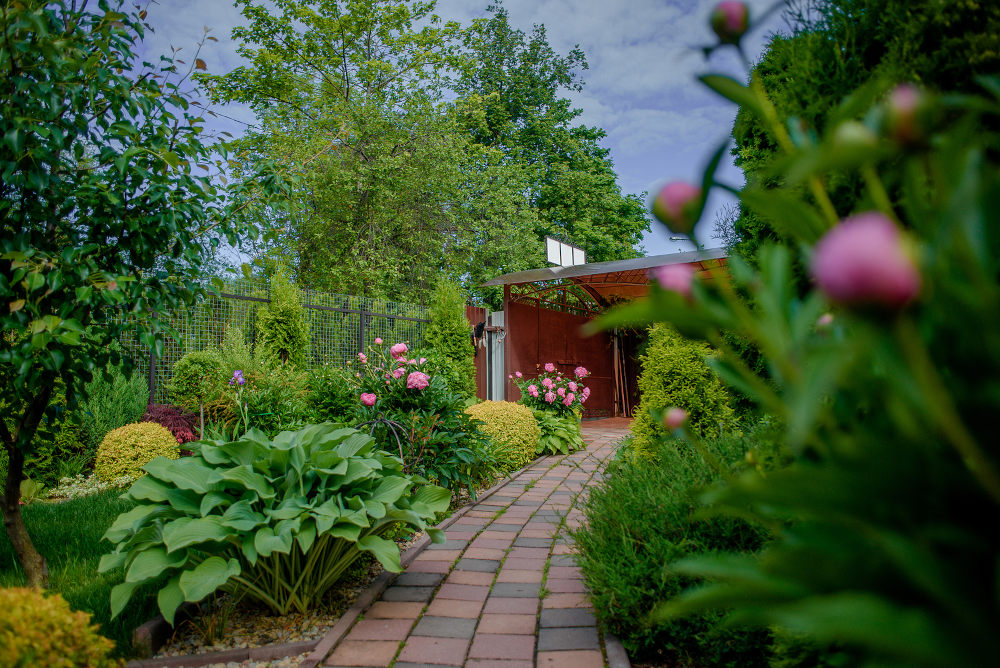 A garden is only an asset if it remains manageable
Outdoor living infrastructure: Kitchens, dining areas, heating, and weather protection – the elements that make outdoor space genuinely usable in British weather. Built-in solutions integrated into the overall design work better than afterthought additions. This infrastructure needs proper utility provision – gas, electricity, water, drainage. All installed to building regulations, properly certified, and built to last. Cheap shortcuts here create safety issues and insurance complications.
Considered boundaries and screening. Walls, fences, hedging – the elements that create privacy and define the garden’s limits. Poor boundaries undermine even the best garden design. They’re also expensive to replace once established planting is in place. Mature hedging adds enormous value if maintained properly. Yew, beech, and hornbeam create living walls that improve annually. They provide privacy, habitat, and aesthetic beauty that fencing never achieves.
Timing matters more than you think
When you invest in landscaping affects both the immediate enjoyment and eventual return. Buying a property and immediately commissioning professional garden design makes sense financially – you maximise your years of enjoyment, the garden matures while you live there, and by the time you sell, everything is established and showing its best.
Rushing a garden renovation six months before listing creates problems. Plants look immature, new paving hasn’t weathered, and the whole space lacks the patina of age that buyers associate with quality. It can actually undermine sale prospects by appearing too fresh, too new, too obviously done for sale. The sweet spot is three to five years before anticipated sale. Long enough for plants to establish, long enough for materials to weather naturally, and short enough that everything still looks current and well-maintained.
Seasonal timing matters too. Major construction work in winter creates mud and mess, and in late summer planting often fails. Spring and early autumn offer the best conditions for most garden projects.
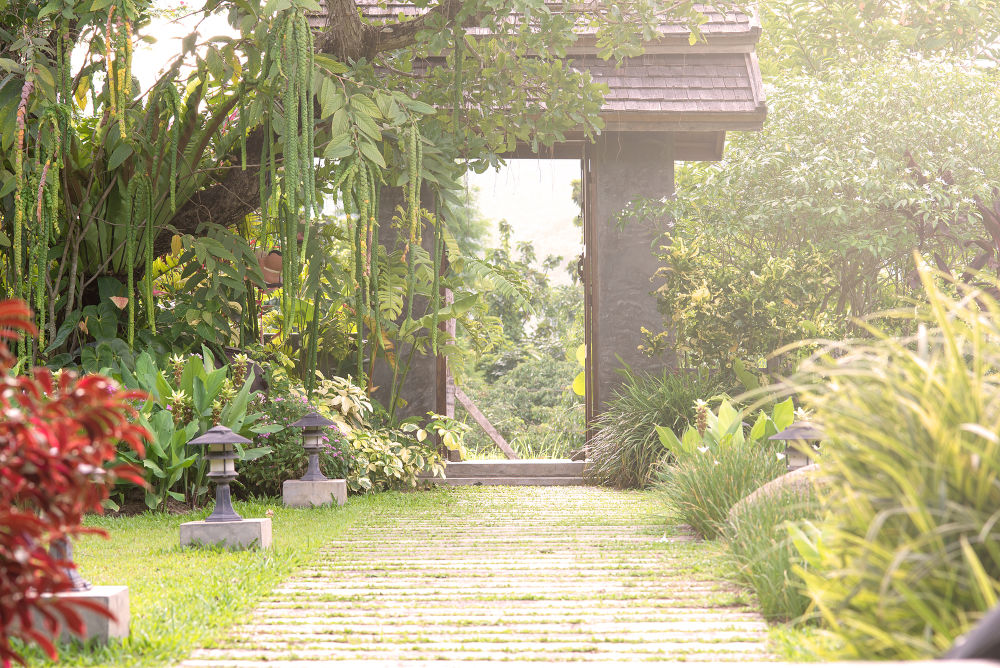 Property is a long-term investment, and gardens are too
Regional variations worth understanding
London’s prime postcodes value gardens differently to other markets. Space is so scarce that even modest outdoor areas command premiums. A 10-metre square courtyard behind a Kensington flat might add £150,000 to £200,000 in value if properly designed. The cost-to-value ratio exceeds almost any interior upgrade.
Rural properties need different considerations. Buyers expect larger grounds, mature trees, established borders. They’re assessing land management and long-term maintenance requirements. Professional design here demonstrates that grounds have been properly managed and will continue to be manageable.
Coastal properties face specific challenges such as salt exposure, wind, and drainage. Gardens here need specialist plant selection and robust construction. Done right, they become selling features, done wrong, they’re just expensive problems.
Scotland’s climate demands different approaches again – hardier plant varieties, better drainage, more substantial structures to withstand weather. Companies with regional expertise understand these variations.
The maintenance question
A garden is only an asset if it remains manageable. Overambitious designs that need weekly professional attention don’t add value, they add expense and stress. The best premium gardens look spectacular but function on reasonable maintenance budgets. This requires thoughtful plant selection – perennials over annuals, structural evergreens for year-round form, ground covers to suppress weeds, automated irrigation where appropriate, and design that works with the site’s natural conditions rather than fighting them.
Buyers increasingly ask about maintenance requirements. They want beauty without burden, and gardens designed with this balance command higher prices and sell faster. Professional maintenance contracts can be included in property sales. A year of guaranteed upkeep provides reassurance to buyers and protects the vendor’s investment during the sale period.
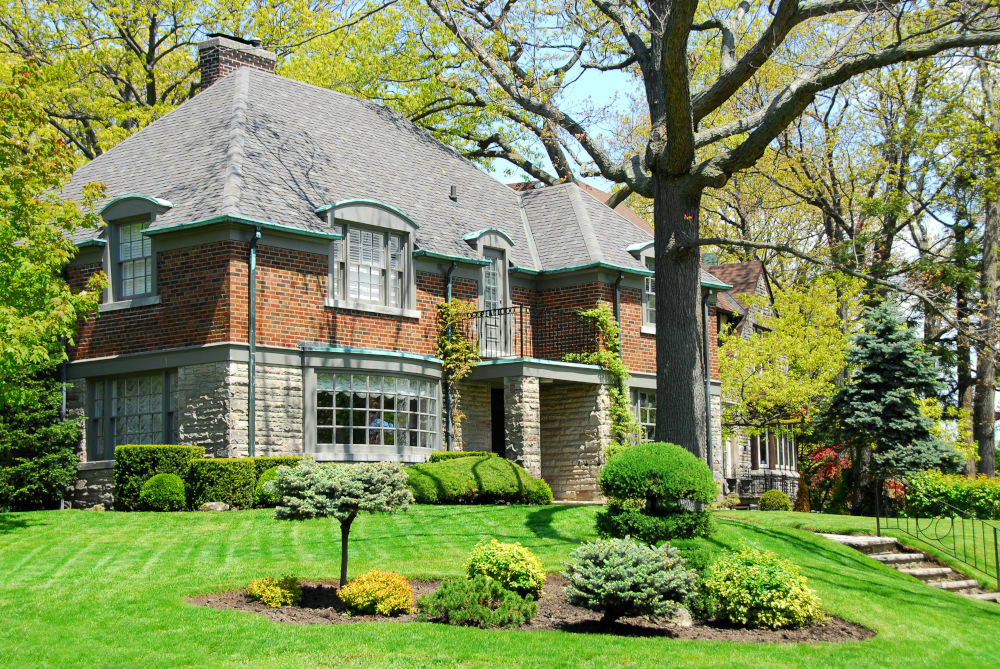 Quality outdoor design lifts property appeal and sale price, regardless of setting
Looking beyond immediate returns
Property is a long-term investment, and gardens are too. A well-designed outdoor space increases your daily quality of life while you live there. It provides private sanctuary, entertaining space, and connection to nature. These benefits compound over years of ownership.
The financial return comes later, at sale, but it builds continuously. Gardens improve with age if properly maintained. That’s unusual in property development, where most upgrades depreciate.
Think of premium landscaping as invisible equity. It’s there, building value, even when you’re not actively considering sale. When the time comes, it converts directly into sale price. The best garden investments feel like lifestyle choices, not financial calculations. You commission the work because you’ll enjoy it and the value increase becomes a welcome bonus rather than the primary motivation.
Making the investment decision
Start with honest assessment of your property and goals. If you’re planning to sell within 18 months, major landscaping makes limited sense unless the garden actively damages sale prospects. Focus on presentation, maintenance, and quick wins.
If you’re staying five years or longer, professional design becomes compelling. You’ll benefit from the space, it’ll mature properly and the value increase will be substantial.
Budget realistically – quality garden design for a substantial property starts around £30,000 to £50,000 for basic transformation. Comprehensive redesigns with extensive hard landscaping, lighting, and infrastructure easily reach £100,000 to £150,000. Large estate grounds run considerably higher. These aren’t small sums, but compare them to kitchen renovations or basement conversions. The return on investment often exceeds interior work, with the added benefit of immediate usability.
Choose specialists carefully, consider portfolio, references, material knowledge, construction quality, they all matter. The cheapest quote usually delivers exactly what you pay for, equally, the most expensive isn’t automatically the best.
Look for companies that design and build, which offers seamless delivery from concept to completion, accountability throughout the process, and post-completion maintenance options. Your property deserves the same attention outside as inside.
Comments are closed.