
Sally Scalera
| For FLORIDA TODAY
Winter feels like it has been here for quite a while, and there could be more cold fronts in our future. At least the days are slowly getting longer. The weather is usually nice for working outside this month, so check out the following suggestions for learning opportunities and yard activities.
* The Florida-Friendly Landscaping™ Seminar will be held on Saturday, March 21, at the Melbourne Auditorium at 625 E. Hibiscus St. The event begins at 9 a.m., with a presentation on progress towards improving the Indian River Lagoon and a talk on native plants titled “What You Plant Matters.” I will present “Grow Delicious Food – No Matter Where You Live,” and the last presentation will be on “Bats & Their Benefits.” Door prizes will also be raffled twice, with the first at 12:20 p.m. and the last at 1:20 p.m. There will also be vendors at the event, so feel free to come early to check them out and shop. For more information and to sign up for a free ticket to the seminar, follow this link: https://loom.ly/dwQqhhE.
* The Florida-Friendly Landscaping™ class eight-week class series is scheduled to begin on Tuesday, April 7, with no class on April 14, but resuming for the next seven consecutive Tuesday mornings, starting on April 21, from 9 a.m. to noon. Two topics will be covered during each class, and the cost of the series is $90. Check out the Eventbrite page https://FFL8weekseries2026.eventbrite.com to see all the topics that will be covered. Both in-person and Zoom tickets are available. If you are new to gardening in Florida or want better results from your gardening efforts, this class is for you!
* Mid-month is a good time to prune hybrid rose bushes. Choose four to five main canes to form the new shrub and prune off the others. Remove the top third of the main canes right above a node that is on the outside of the cane, so the new growth grows outward. Remove any dead, damaged, or twiggy growth back to the main cane. Flowers should be produced eight to nine weeks after pruning. If you’re growing Old Garden Roses (OGR) like Chinas, Teas, Bourbons, Damasks, etc., they can also be lightly pruned as needed. Roses will also benefit from establishing the soil food web around their root systems.
* If your lawn is yellowish from the short days, continue to water it (no more than once a week) and celebrate the fact that you won’t need to mow very often this month. Don’t expect the grass to green up or try to make it do so by fertilizing it. Wait until the days are longer and the temperatures are warmer.
Here’s what you could be planting, planning in February
* Vegetables that can be planted in February include arugula; beans (bush, pole, lima); beet, broccoli; Brussels sprouts; cabbage; cantaloupe; carrot; cauliflower; celery; Chinese cabbage; collard; cucumber; eggplant; endive/escarole; kale; kohlrabi; lettuce; mustard; okra; onions- bunching (green and shallots); peas (snow, English, and southern); and peppers. A word of caution when growing both sweet and hot peppers: Plant them far apart, like on either side of the house, so their flavors stay true and don’t intermingle caused by the metaxenia effect).
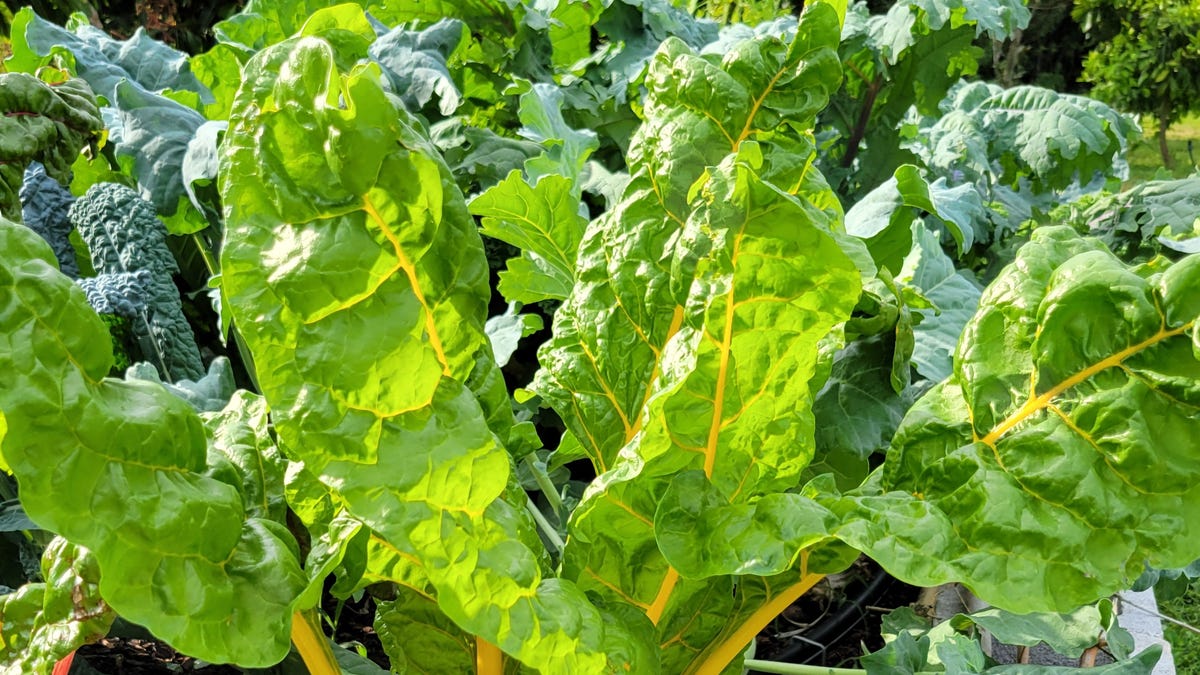
February is also planting time for potatoes (Irish and sweet); radish; Seminole pumpkin; southern peas; spinach; squash; sweet corn; sweet potato; Swiss chard; tomato; turnip; and watermelon. When planting your vegetables in the garden or in containers, be sure to inoculate the planting holes and/or drench the soil with microbial products. Peas and beans should also be inoculated with the correct nitrogen-fixing bacteria. For more information on how to improve soil health, email the UF/IFAS Extension Brevard County Master Gardeners at brevard-mg1@ifas.ufl.edu.
* Vegetable seeds that can be sown in February for planting in March include arugula; beans; cabbage; cantaloupe; Chinese cabbage; cucumber; kohlrabi; okra; pepper; Seminole pumpkin; southern peas; spinach; squash; sweet corn; Swiss chard; and watermelon.
* For the herbs and bulbs listed below, inoculate the planting holes with beneficial bacteria and mycorrhizae also.
* Some of the herbs that can be planted now include basil; oregano; chives (both onion and garlic); dill; fennel (another word of caution: plant dill and fennel far from one another; otherwise, their flavors could mingle); parsley; sweet marjoram; mint; sage; and thyme.
* Bulbs that can be planted this month include agapanthus; amaryllis; caladium; canna; crinum lily; crocosmia; dahlia; hurricane; or spider lily (Lycoris spp.) and rain lily.
* Did you know there is a Farmers Market every Thursdayfrom 3 p.m. to 6 p.m. at the Regional Pavilion in Wickham Park in Melbourne? Each week local vendors meet to offer our community everything from farm-fresh produce to small-batch specialty foods and artisan goods: vendors include:
Capt’n Tony’s Pirate Salsa – fresh salsas, candied jalapeños, sweet relish and gourmet peanut butter; E.T. Produce – fresh-from-Florida fruits and vegetables (cash & tokens only); Garden of Eden – A Homemade Juicery – organic fresh-pressed juices, açaí bowls and salads; Friends Products – vegan, organic hummus, garlic spreads, and pita chips (Halal-friendly); From Kristin’s Kitchen – homemade jams in a variety of flavors; Bell’s Barbeque – flavor-packed barbecue sauces and rubs; Jerk On Jerkies – gourmet jerky made with quality meat and no preservatives; Joy of Garlic – oncredible spreads, sauces, dips and dressings made with love; Lisa Bell – homemade sourdough, muffins, and gluten-free baked goods; Mountain Laurel Handcrafts – locally roasted organic coffee, hot or cold and A & D Hives Pure local honey; Nonna D’s Olive Pit – olives, olive oils, and flavored vinegars; Scavelli’s Baked Goods – sweet and savory breads and buns; Sunny Bliss Gardens – edible plants, herbs, and seeds; Vegan Dessert Delights – vegan nut butter cups, truffles and more; Vital Silver Wellness – handmade soaps and wellness products for the whole family (including pets!); and Zesty Fox Farm – local microgreens, mushrooms, wheatgrass, and growing kits.
SNAP/FAB shoppers are welcome. Double your SNAP dollars — spend $20 and get $20 free for fresh Florida produce. With upcoming SNAP changes not affecting our market, you can feel good knowing our vendors offer handmade foods without preservatives. Go for the produce, stay for the community! For the most current vendor lists and updates: facebook.com/brevardcountyfarmersmarket/.
Sally Scalera is an urban horticulture agent and master gardener coordinator for the University of Florida’s Institute of Food and Agriculture Science.
Comments are closed.