
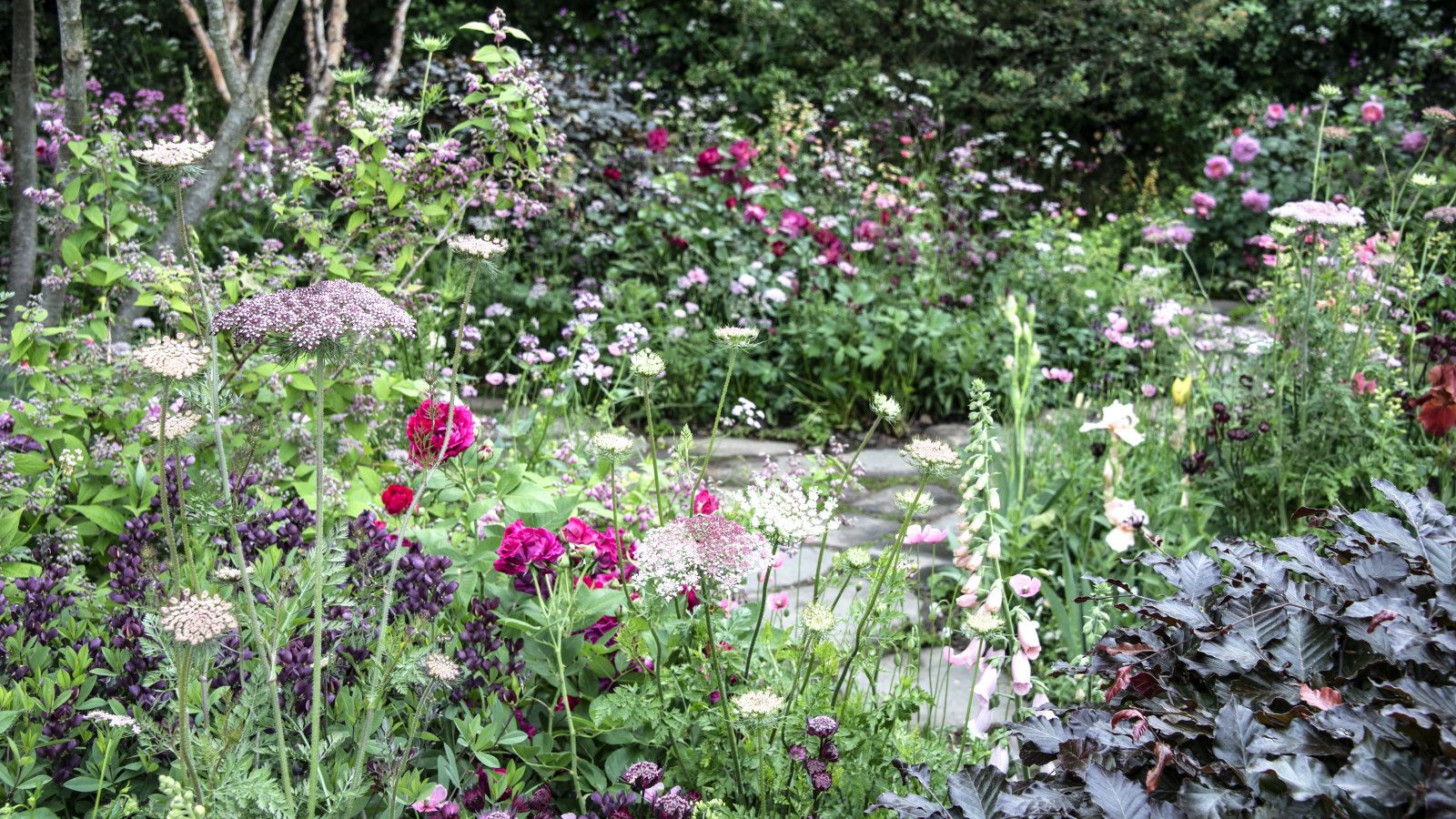
You can make a great head start on summer blooms by sowing flower seeds in February indoors. It may be too soon to sow outdoors in most climates, but there is a great selection of flower seeds to sow in February, as popular flowers like alyssum, asters, larkspur, sweet peas, and more can be started in a greenhouse or on a warm windowsill this month.
Sowing flowers indoors now means strong plants ready to go outside once the last frosts have passed. You get a great combo of healthy plants and earlier blooms, with lots of flowers for you and the local wildlife to enjoy sooner than if you’d waited to sow once the soil has warmed. If you find yourself wondering what to plant in February, the answer definitely needs to include flowers.
You may like
1. Alyssum
(Image credit: skymoon13 / iStock / Getty Images Plus / Getty Images)
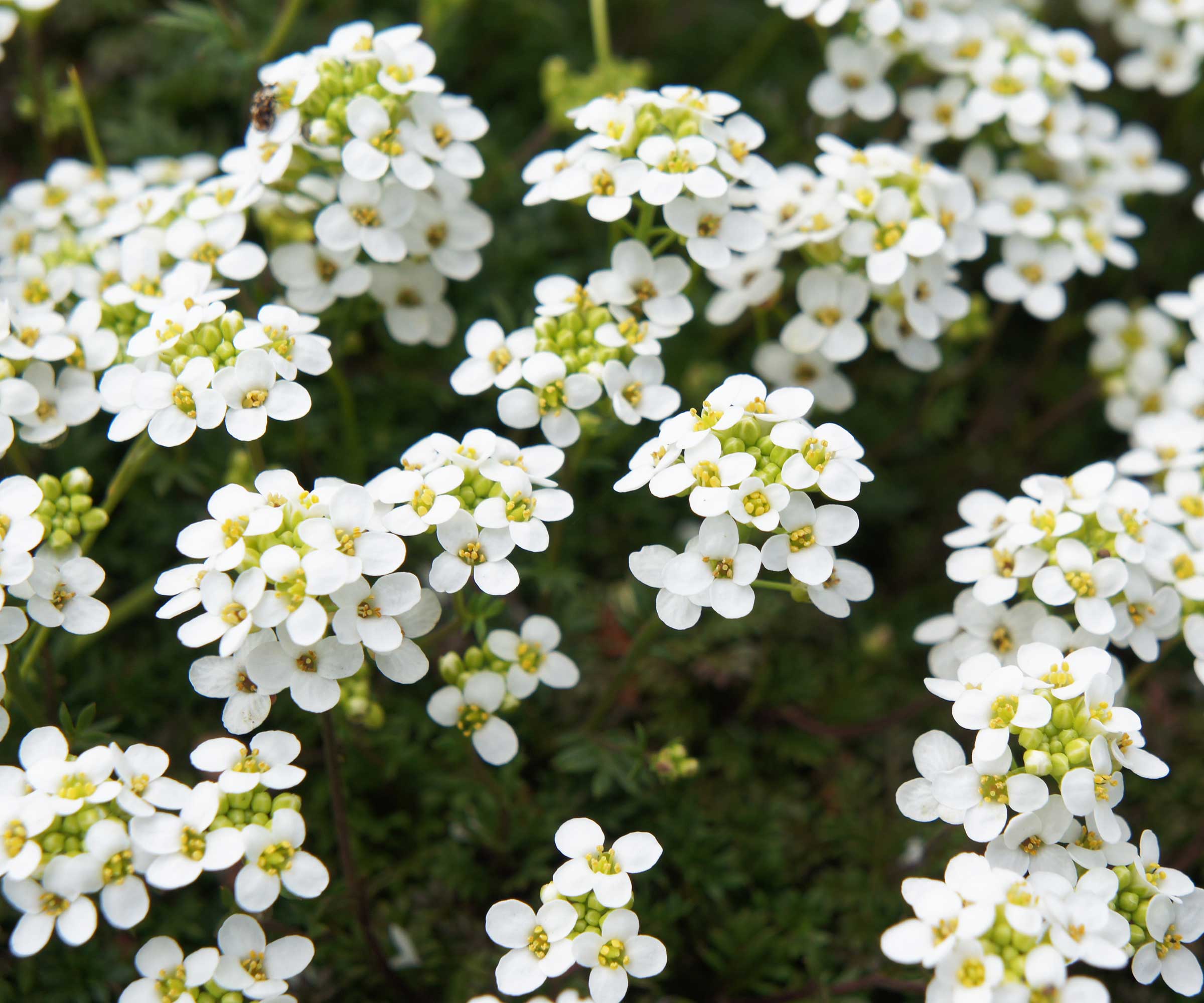
Alyssum is a classic half-hardy annual that can be used as a fragrant ground cover plant or for soft displays in containers. Producing a cloud of gentle, white flowers throughout the summer, it is a reliable, low-maintenance plant that is simple to grow from seed indoors.
Start sowing seeds indoors in February. It may sound early for a summer-flowering annual, but it is good to get ahead with alyssum, as the seeds can take up to four weeks to appear.
Gently sow the seeds onto the surface of the seed compost, and cover lightly with vermiculite. Don’t cover seeds thickly, as alyssum seeds need light to germinate.
Give the seed temperatures of 50-60°F and keep the soil moist, but, as mentioned, don’t get disheartened if you don’t see seedlings appearing quickly.
It can take a while. Transplant the seedlings into individual pots once they are large enough to handle, and plant them outside after the last frost.
You can get snow alyssum seeds at Burpee to sow for carpets of crisp, white blooms
2. Asters
(Image credit: Future)
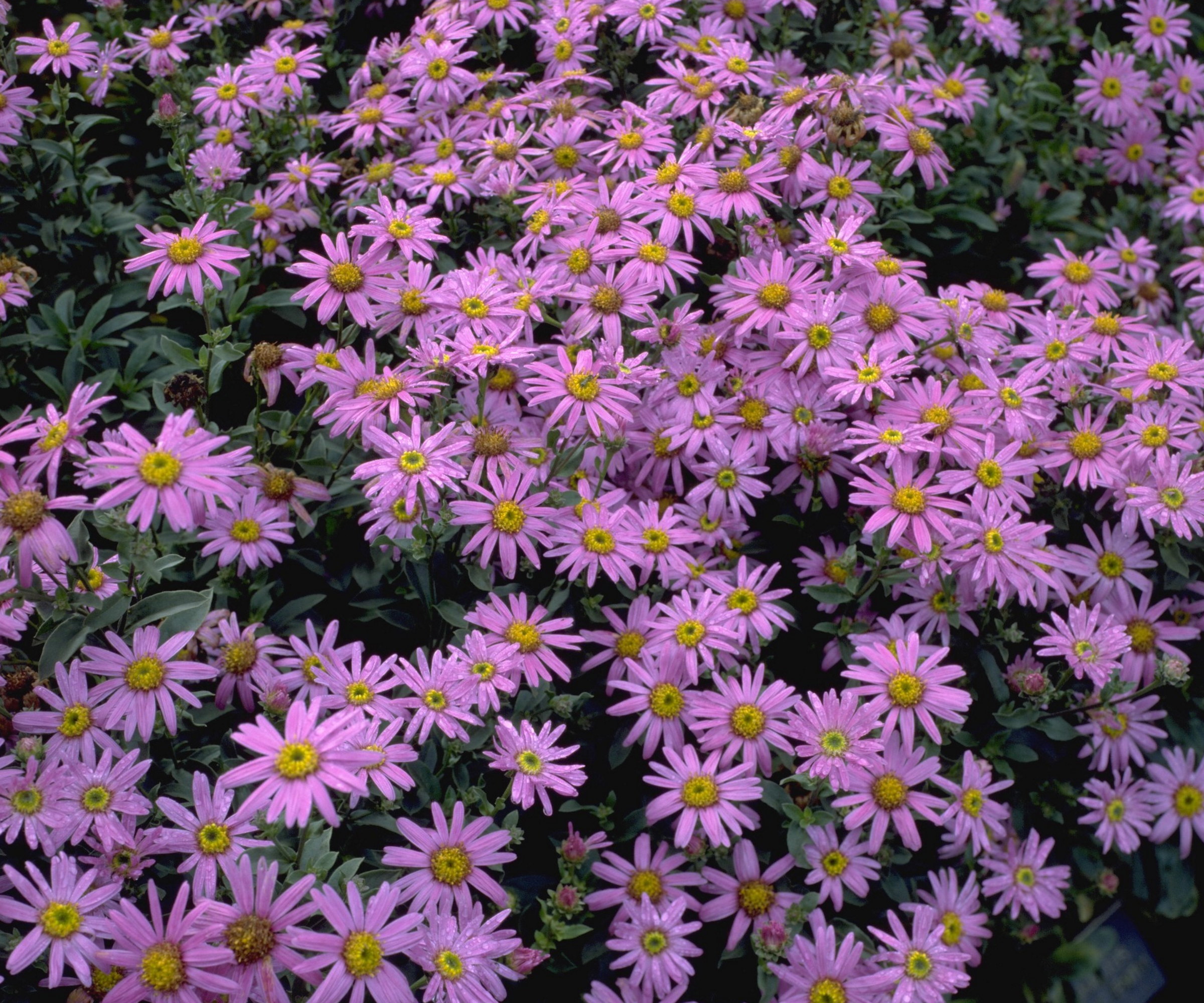
Asters, often called Michaelmas Daisies, come to the fore in late summer, with their bright daisy-like blooms bringing dazzling color and continuing through cooler months. They will make great plants for fall pollinators if you want to attract wildlife to your beds throughout the seasons.
You may like
There are many aster varieties, in a wide range of colors and sizes, many of which can be grown from seed as a budget-friendly alternative to buying container plants. And they are among the flower seeds to sow in February, to give the plants plenty of time to build up strength and put on a cracking summer and fall show.
Start sowing aster seeds six to eight weeks before your last frost. Sow the seeds 1/8 inch deep into trays or pots filled with a good seed compost, and place the container in a heated propagator or on a heat mat (you can get a heat mat at Amazon to provide essential warmth to your seeds), where the seeds can enjoy consistent temperatures of 65-75°F.
In ideal conditions, the seeds should germinate within 10-14 days. Continue to grow them in a warm, bright spot, and consider using LED grow lights if the natural levels are low. Plant them in a sunny position after the last frost for your climate.
You can get a cool mix of single-flowered China asters at Botanical Interests for cut flowers in shades of red, pink, purple, and white
3. Cornflower
(Image credit: Getty Images/ Queserasera99)
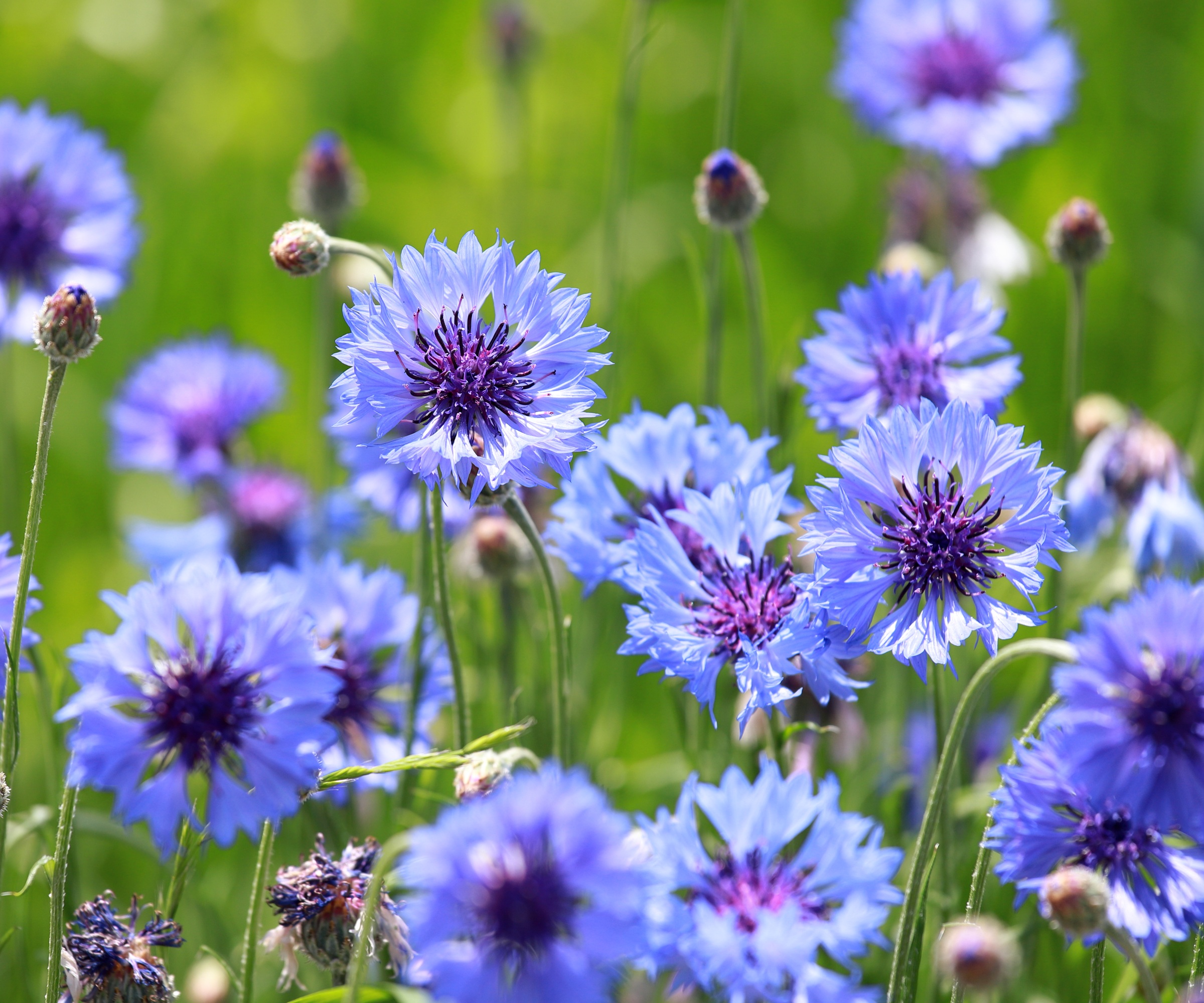
Bachelor’s buttons, also known as cornflowers, are delicate wildflowers with tiny ruffled petals that sit atop thin stems. Most commonly recognized for their blue flowers, there are also varieties that produce pink, white, and dark red blooms.
While they are perfect for wildflower gardens, bachelor’s buttons also work well in cottage garden ideas, where they add a delicate touch of color and the flowers attract bees and butterflies.
A common way to grow bachelor’s buttons is to sow seeds outdoors once the soil has warmed up. However, you can get ahead of the season and sow indoors in February to benefit from earlier blooms.
To do this, sow the seeds onto the surface of modules or pots filled with seed compost, and give them only a light covering of more soil or vermiculite (get a bag of organic vermiculite at Burpee). The seeds will germinate within two weeks at temperatures of 60-70°F.
You can get a mix of cornflower blooms to enjoy with this packet of mixed color Bachelor Buttons seeds at Amazon.
4. Impatiens
(Image credit: Future)
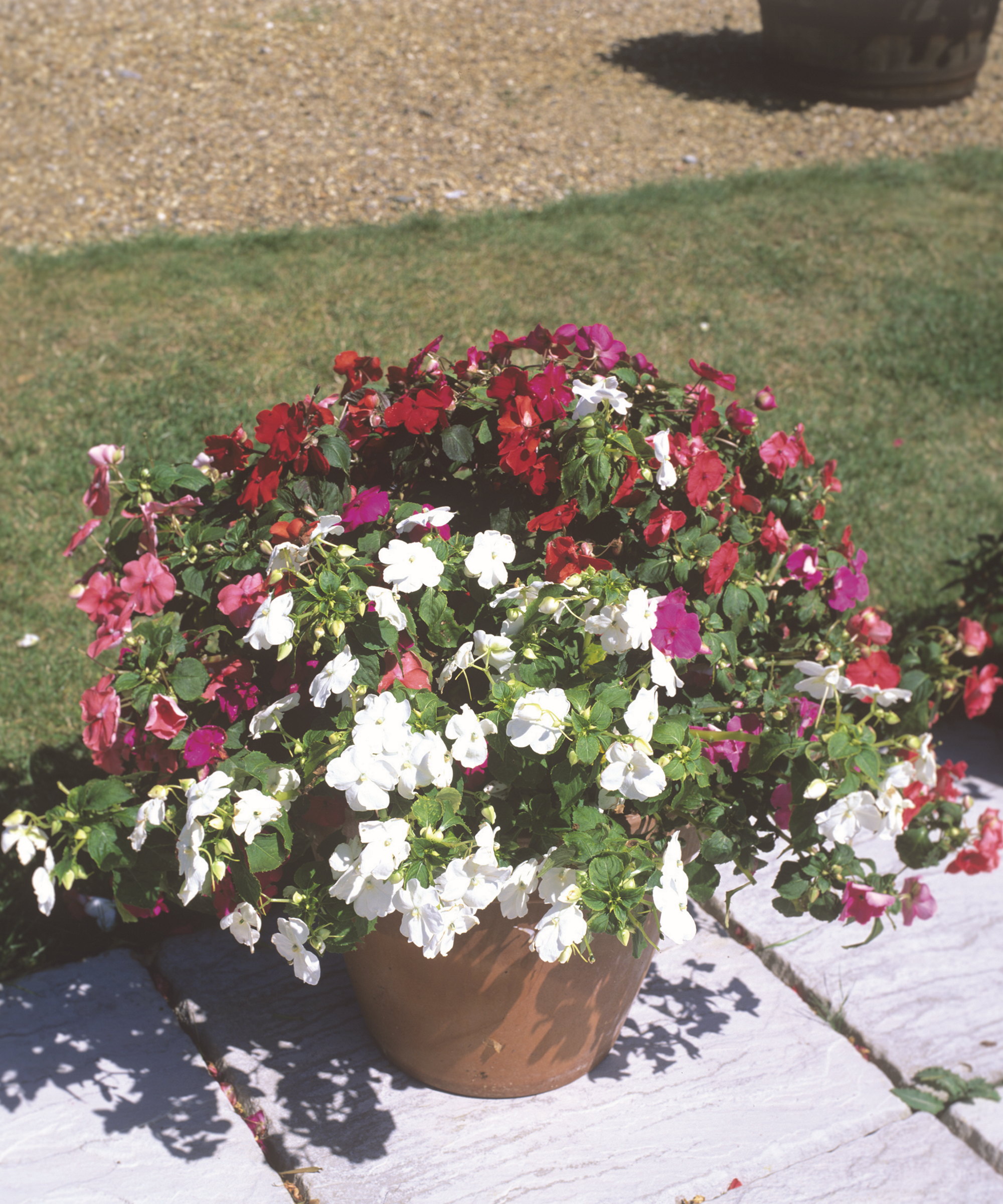
Impatiens are popular annual bedding plants and make excellent shade plants for beds, containers, and hanging baskets. If you are after compact part-shade annuals to brighten up slightly darker corners of the yard, impatiens can do just that with their vibrant red, pink, purple, or orange blooms.
You commonly get impatiens as small plants, but it can be cost-effective to grow impatiens from seed. This isn’t difficult to do, but it does require patience as they are slow-growing. It makes the first half of February the best time to start seeds indoors.
Impatiens seeds are tiny, so you must sow them carefully. Do so on the surface of modules or individual pots and lightly press them into the material.
The seeds need light, so cover thinly with soil or vermiculite. Place the containers in a propagator in a greenhouse or on a warm windowsill where they can reach temperatures of 70-75°F.
After the seeds germinate, which should take a few weeks, grow the seedlings somewhere warm (they still want temperatures of 60-65°F) and bright. Plant them outdoors after the last frost. Remember to deadhead impatiens for a long-lasting display of blooms.
You can get a great mix of impatiens seeds at Burpee for bright flowers to enjoy
5. Larkspur
(Image credit: Future)
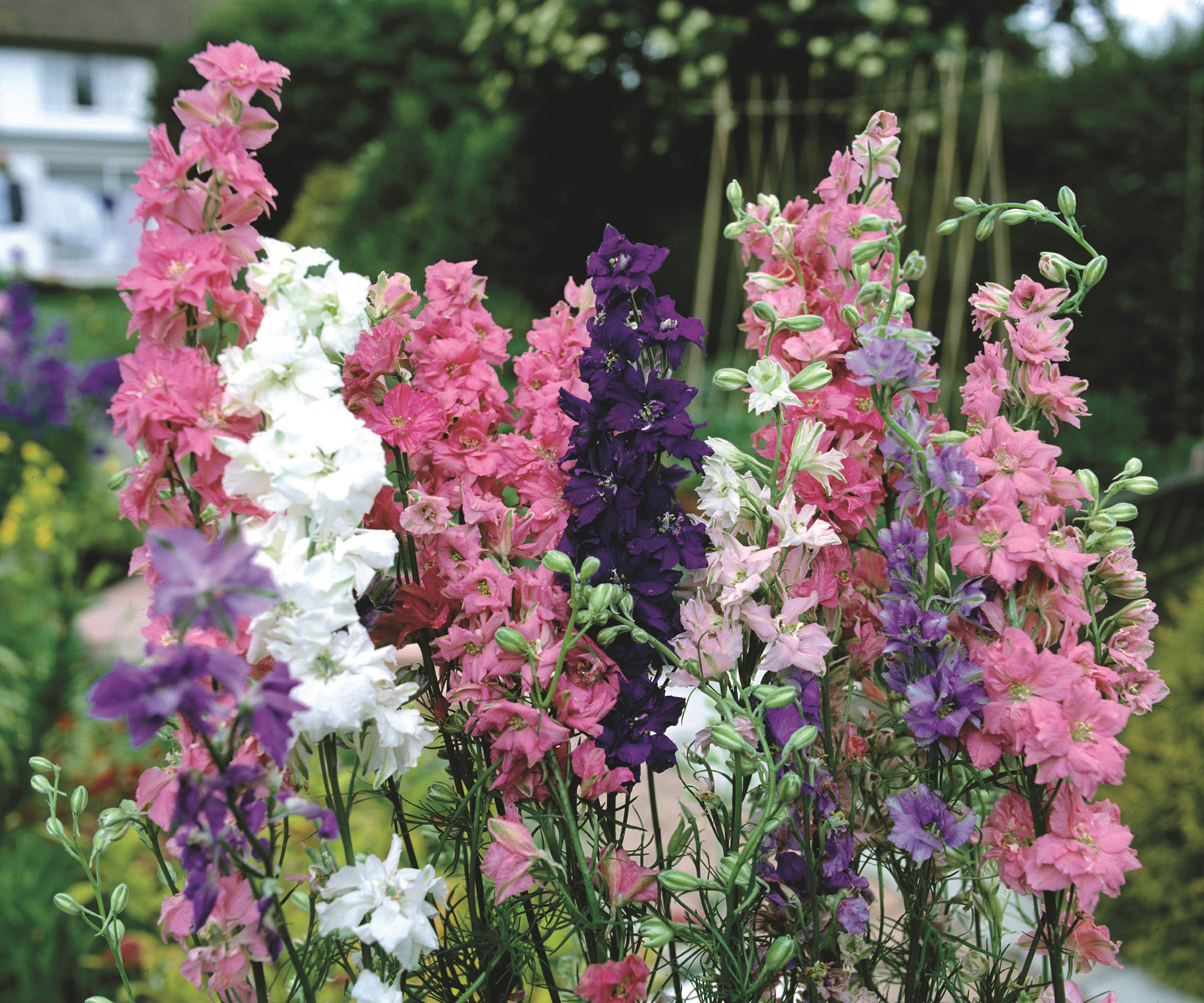
Larkspur is a traditional cottage garden plant. Its tall, bright stems bring height and interest to flower beds. But that flowering spike also makes it a useful cutting garden flower, and it can be a great flower for drying.
Larkspur is undoubtedly stunning and versatile, but it has a reputation for being tricky to germinate. Luckily, we are here to attempt to dispel that myth.
Larkspur seeds need a period of cold stratification, which is one hurdle to overcome. You can do this by sowing them in the fall, and use the winter cold to your advantage. Or, you can artificially stratify the seeds by popping them in the fridge for a week or two before sowing.
After their spell in the refrigerator, sow the seeds onto trays or pots and cover with a fine layer of compost or vermiculite. For the greatest chance of success, sow them in an unheated greenhouse or cold frame, rather than a warm environment, as larkspur prefers cooler temperatures for germination.
You can get a ‘shades of blue’ mix of Larkspur seeds at Botanical Interests for a glorious collection of dark and light blue blooms
6. Nicotiana
(Image credit: Tom Meaker / Getty Images)
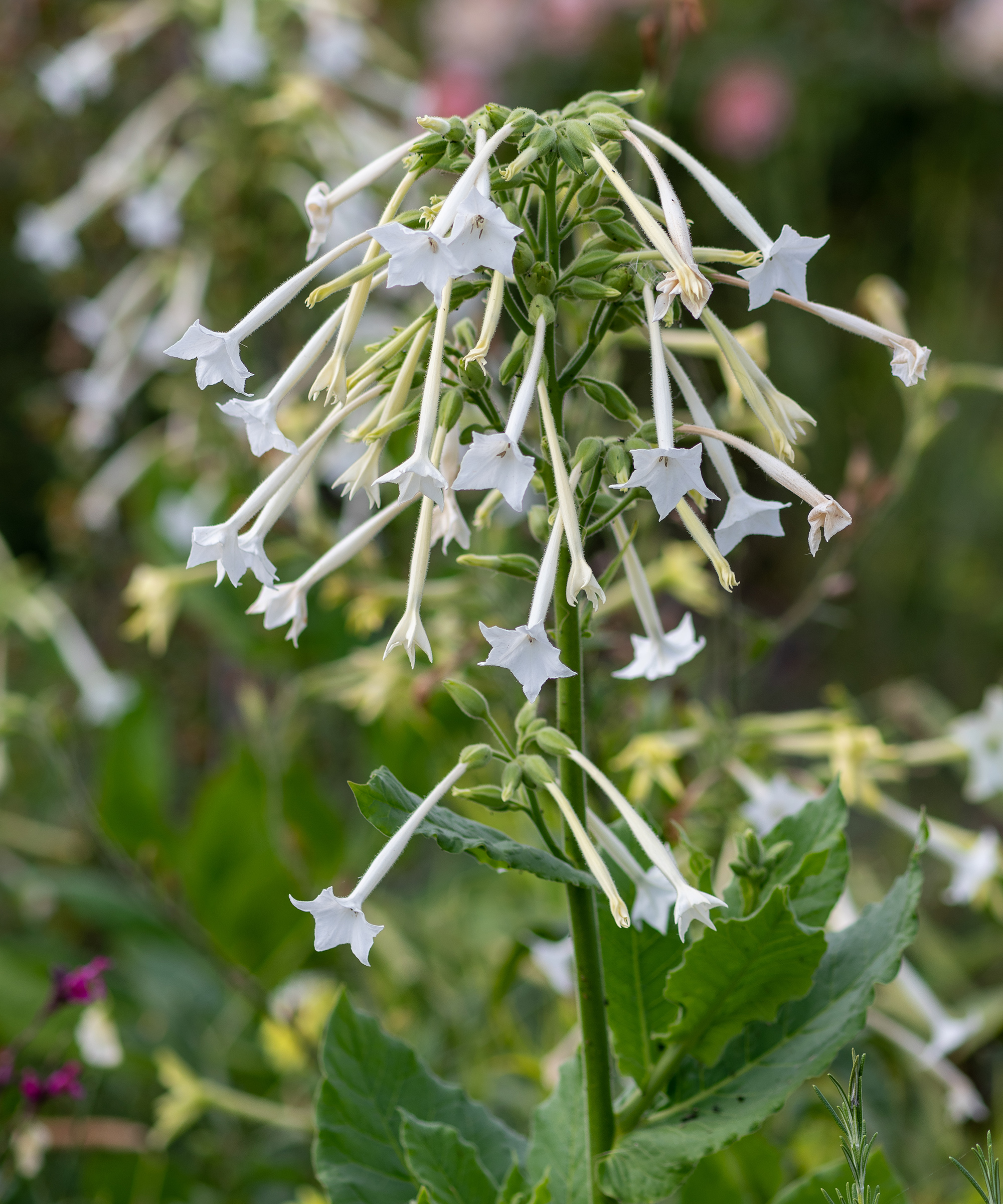
Nicotiana, also known as flowering tobacco, is a dramatic ornamental plant that adds color and structure to summer flower borders. The annual plants produce tall bunches of fragrant trumpet-like flowers that can come in a variety of colors from bright pink to lime green.
Growing nicotiana is fairly simple, as they are among the easiest flowers to grow from seed. Starting in February, the fine seeds are sown onto the surface of compost and covered with a fine layer of more soil or vermiculite. A temperature of 60-68°F is ideal, and the seeds can take up to two weeks to germinate.
The seedlings should be pricked out carefully and potted into their own containers once they are large enough to handle. Keep the plants consistently moist, but not waterlogged, and plant them outdoors (after a period of hardening off seedlings) once the temperatures warm in the spring.
This mixed packet of nicotiana seeds at True Leaf Market can be sown for blooms in shades of pink, purple, red, and white
7. Sweet Peas
(Image credit: Clive Nichols / Corbis Documentary / Getty Images)
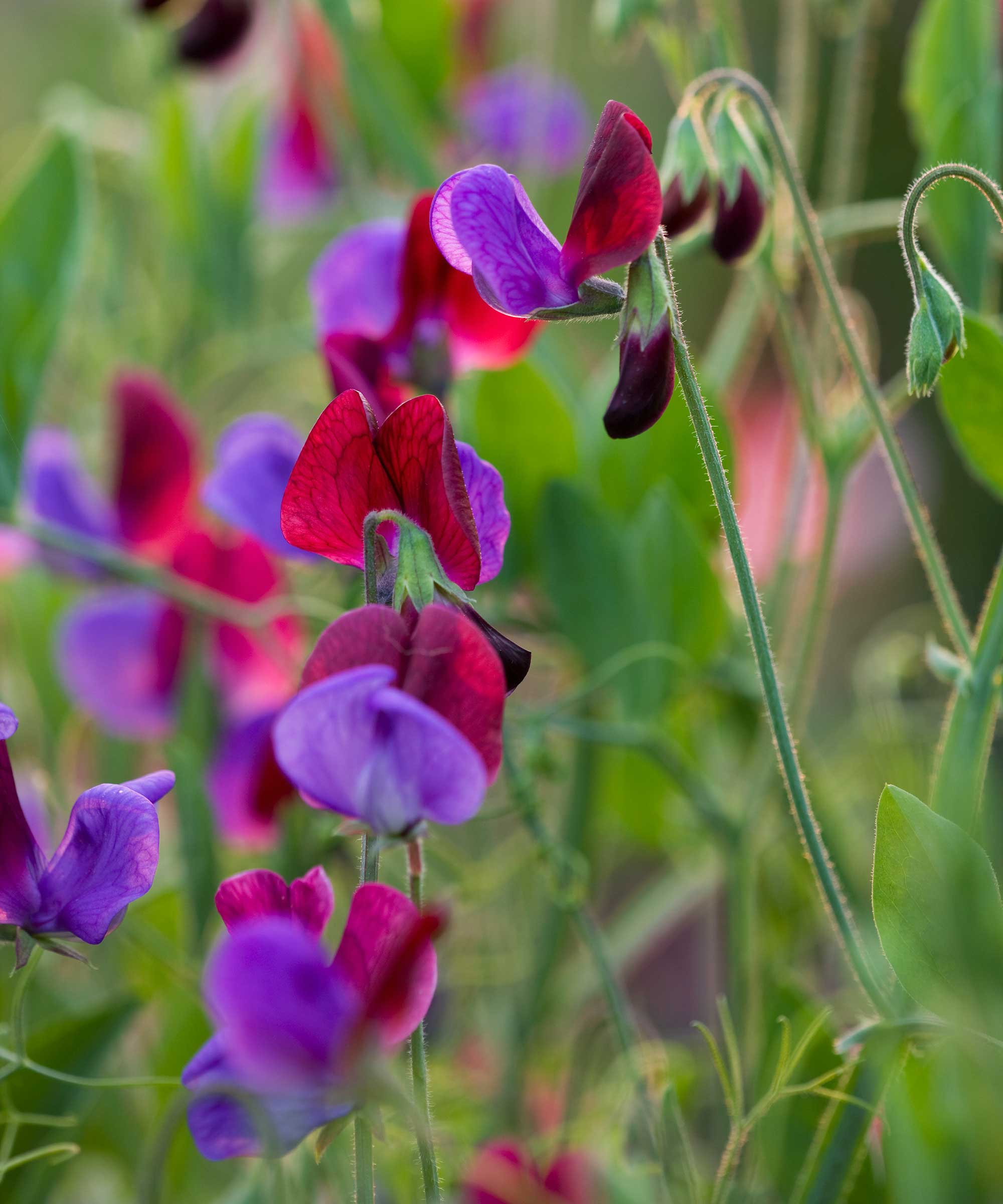
Gardeners around the globe adore growing sweet peas. It is understandable why people love these nostalgic plants. They are easy to grow, bloom prolifically, can be intoxicatingly fragrant, and there are literally hundreds of sweet pea varieties to pick from.
Traditionally, you can plant sweet peas in the fall or spring. However, if you haven’t done it yet, February makes an ideal time to sow them indoors. Do it this month, and you have healthy plants ready to go out into the garden come spring.
It is advantageous to soak the seeds for 24 hours to soften their hard exterior, which helps to speed up the germination process. Another good tip is to use deep pots or root trainers (such as these deep root trainers at Amazon), as sweet peas quickly produce roots.
This avoids a common sweet pea seedling problem of being restricted during the early stages, which affects growth at a vital time in the plant’s life.
Plant sweet pea seeds a half-inch deep into the compost and place the trays or pots in an unheated greenhouse, cold frame, or on a bright windowsill inside the home. Pinching out the central tip of seedlings when they are 4-6 inches tall will encourage bushy plants.
You can get a range of sweet pea seeds at Amazon to suit any desires
To help you plan the rest of your month in the yard, this guide to February gardening jobs includes nine key tasks to get done, as recommended by an experienced professional horticulturist.
Shop Flower Seeds to Sow in February
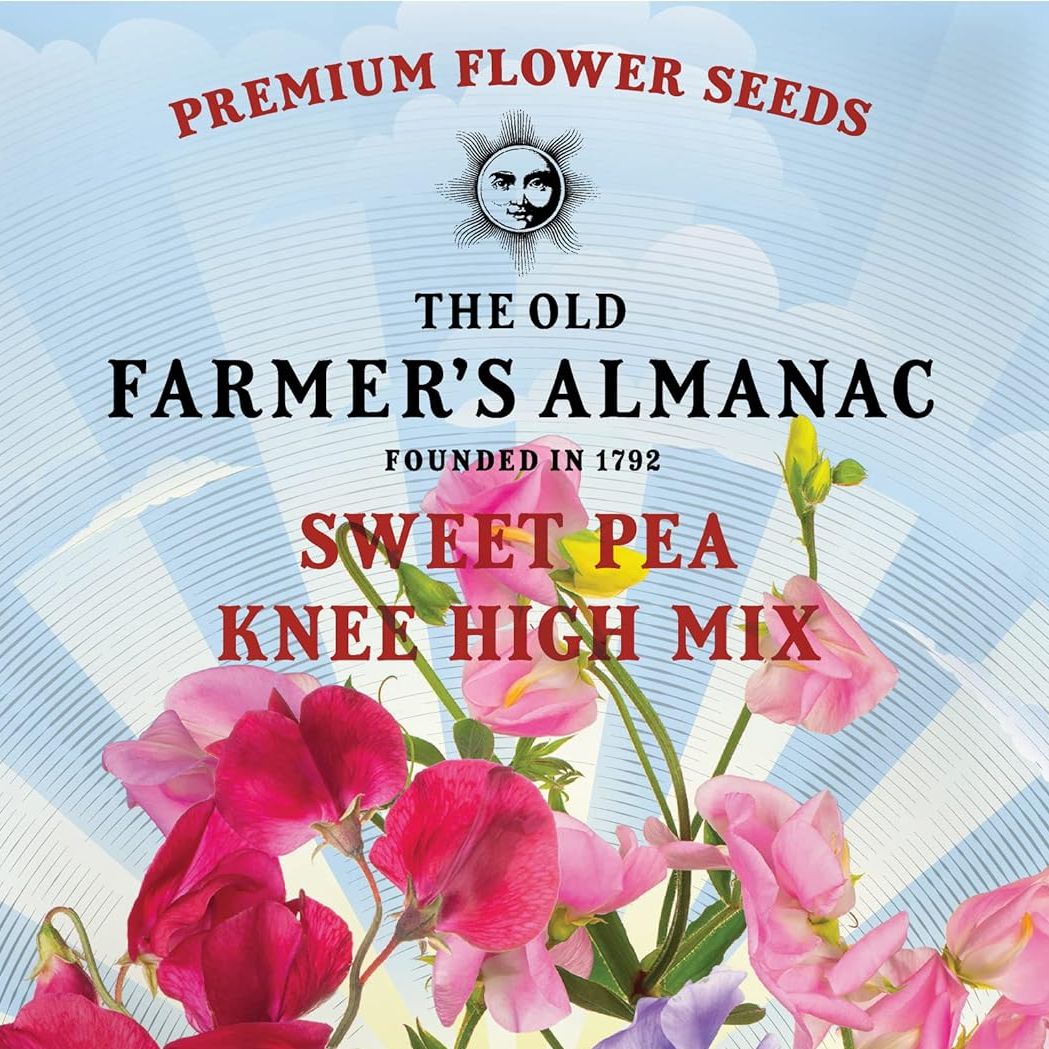
Sweet Pea Seeds – Knee High Mix
This mix of sweet pea seeds produces sweet-smelling blooms in shades of red, pink, purple, and white
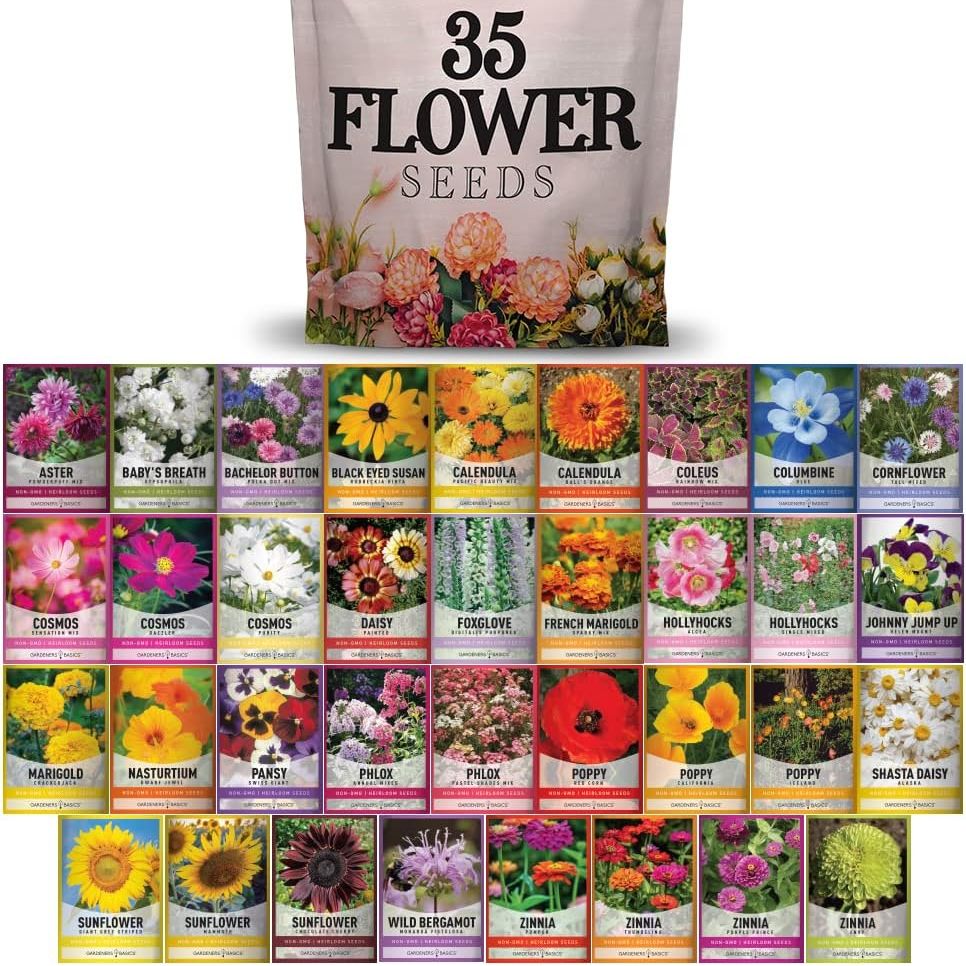
35 Flower Seeds Collection
This collection contains 35 different packets of non-GMO and heirloom flower seeds to grow a wide range of different plants to fill your yard with beautiful blooms
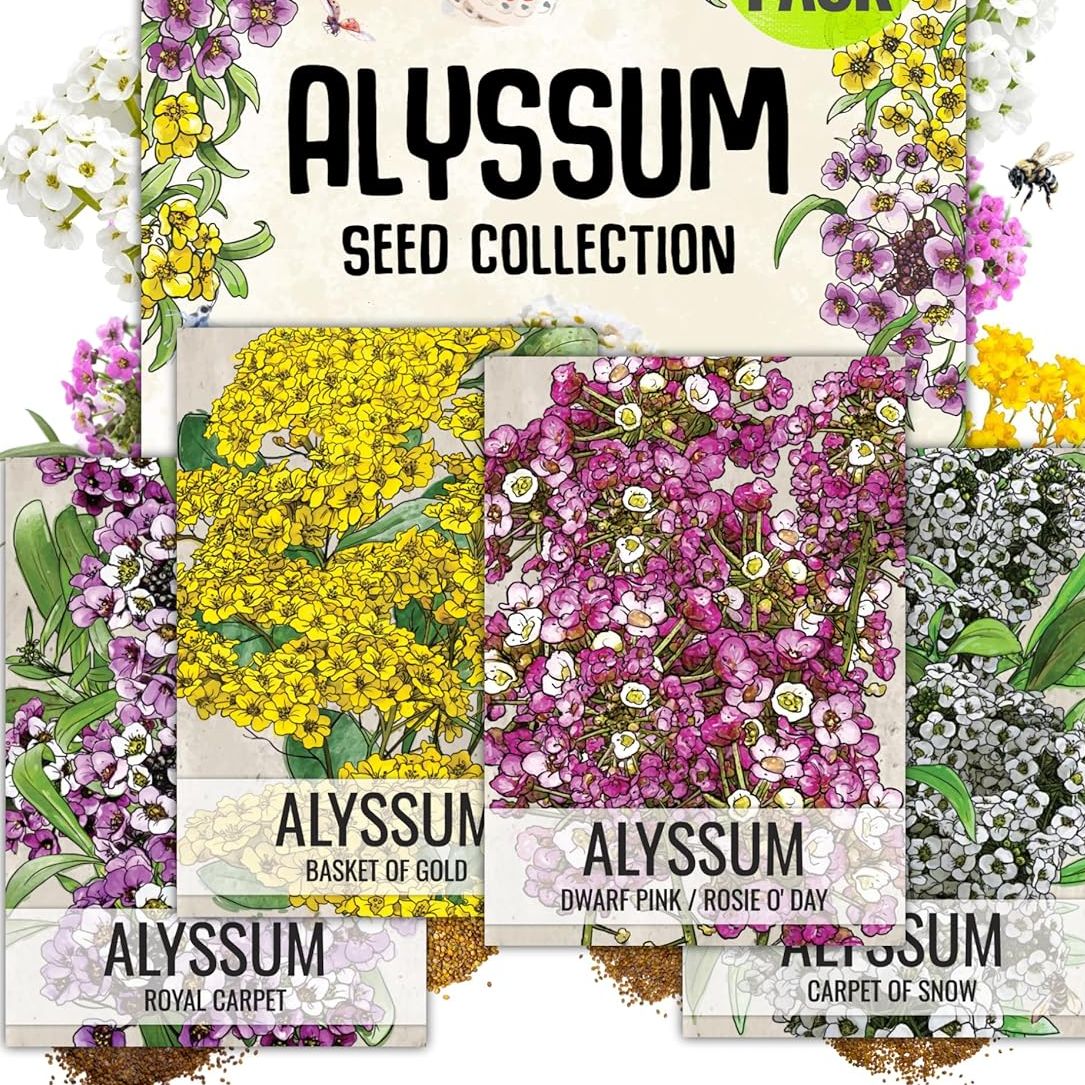
Alyssum Seeds Variety Pack
This collection contains seeds for four different varieties of alyssum: Basket of Gold, Royal Carpet, Dwarf Pink, and Carpet of Snow
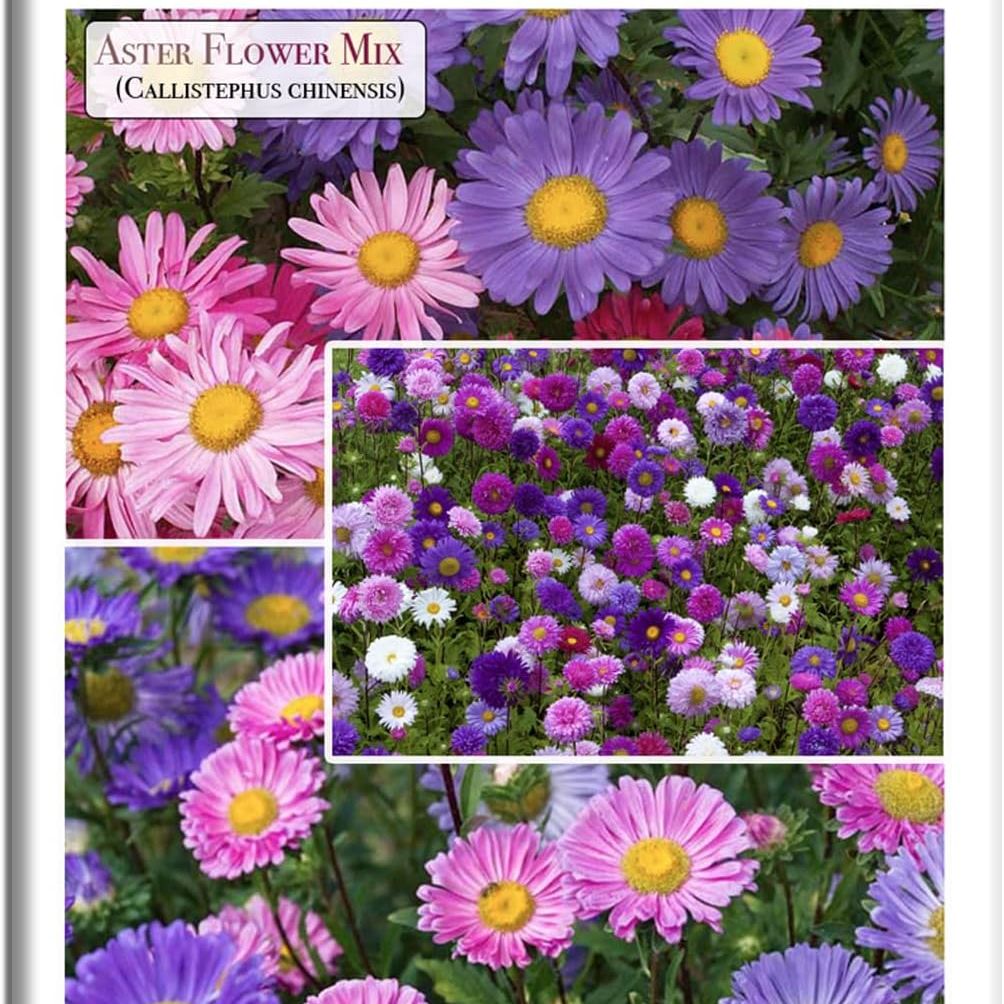
Aster Rainbow Mix Flower Seeds
A mix of aster seeds to grow a variety of pink, purple, red, lavender, and white blooms and brighten up flower beds
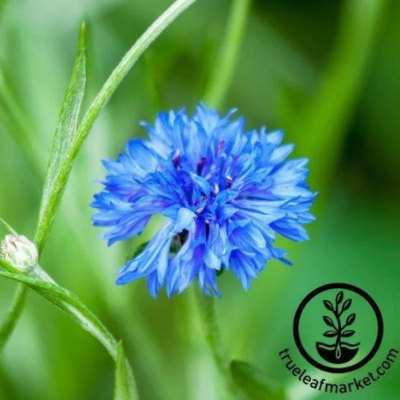
Blue Bachelor Buttons Seeds
This packet contains seeds to grow the original deep blue cornflowers. They can go from sowing to flowering in 50-60 days.
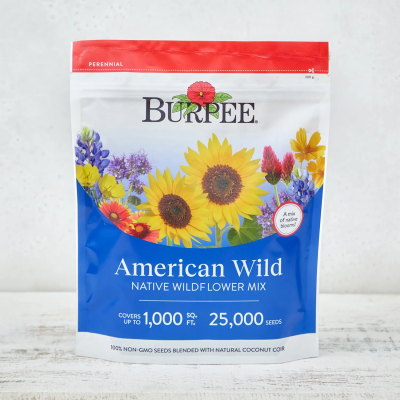
American Wild Native Wildflower Mix
This mix contains seeds of over a dozen different native plants to grow a thriving wildflower meadow throughout zones 1-10.
Comments are closed.