
There’s one simple but essential gardening task to do in January, according to Monty Don. I followed his expert advice and noticed a difference in my roses and hydrangeas.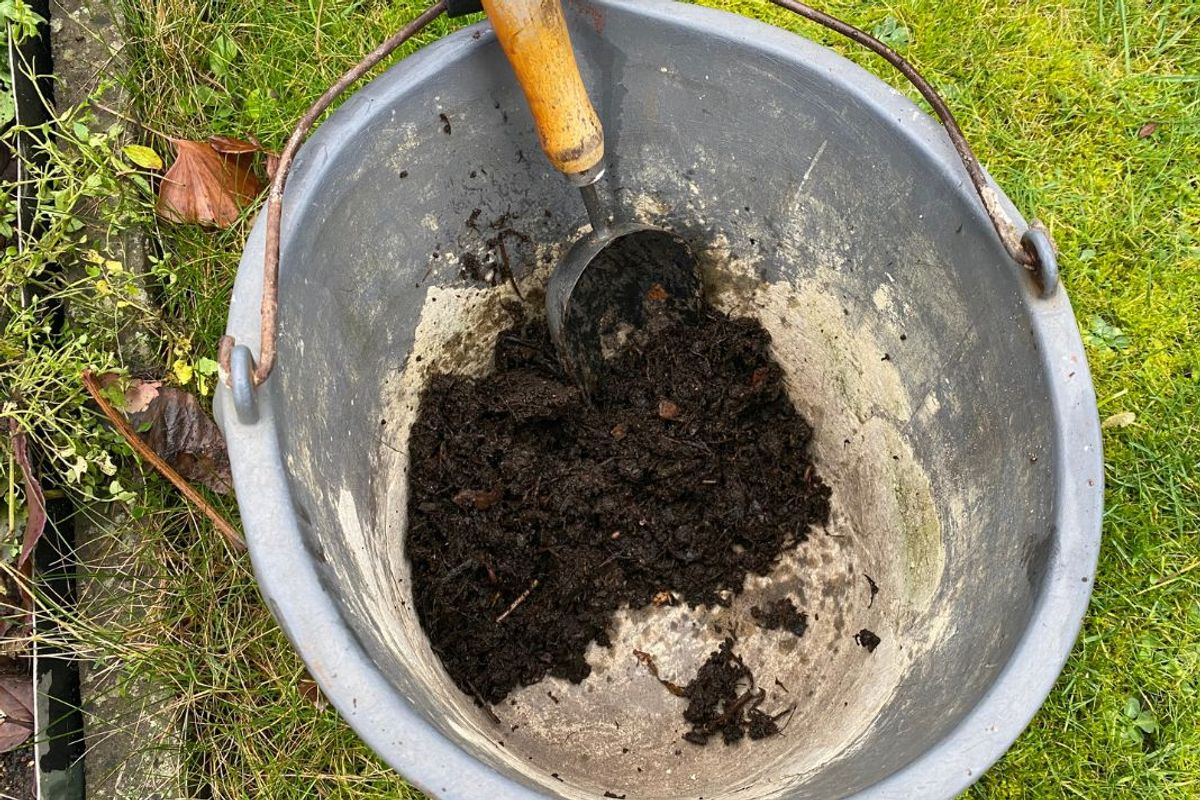
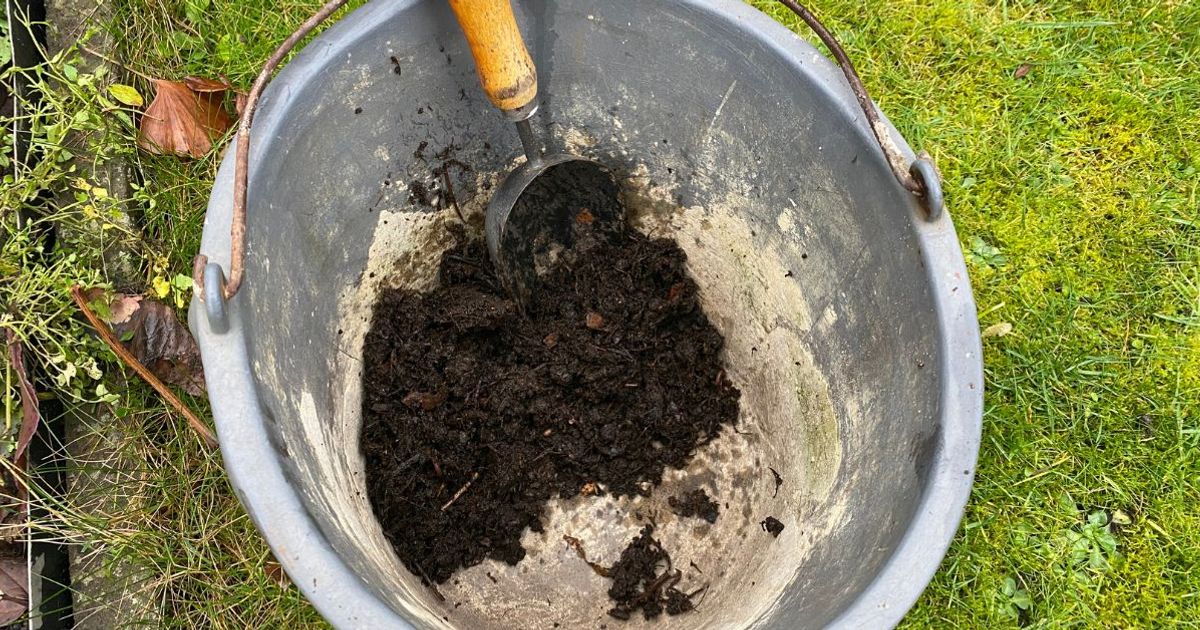
To mulch my roses and hydrangeas, I opted for using garden compost
January typically ushers in the first hints of fresh shoots, providing a welcome jolt of early motivation to get outdoors and tackle the garden. If, like me, you’ve been dragging your heels on most of those essential January gardening chores, Monty Don’s brilliantly straightforward task deserves top billing – it set me back barely five minutes.
While scrolling through Monty Don’s gardening blog for January, he declared that mulching ranks among the “best” tasks to crack on with this month. Taking his advice on board, I laid down mulch around my roses and hydrangeas to enrich nutrients and lock in moisture.
Mulching involves spreading a material – think compost, well-rotted manure, cardboard or even seaweed – across the soil surface to give plants a leg up.
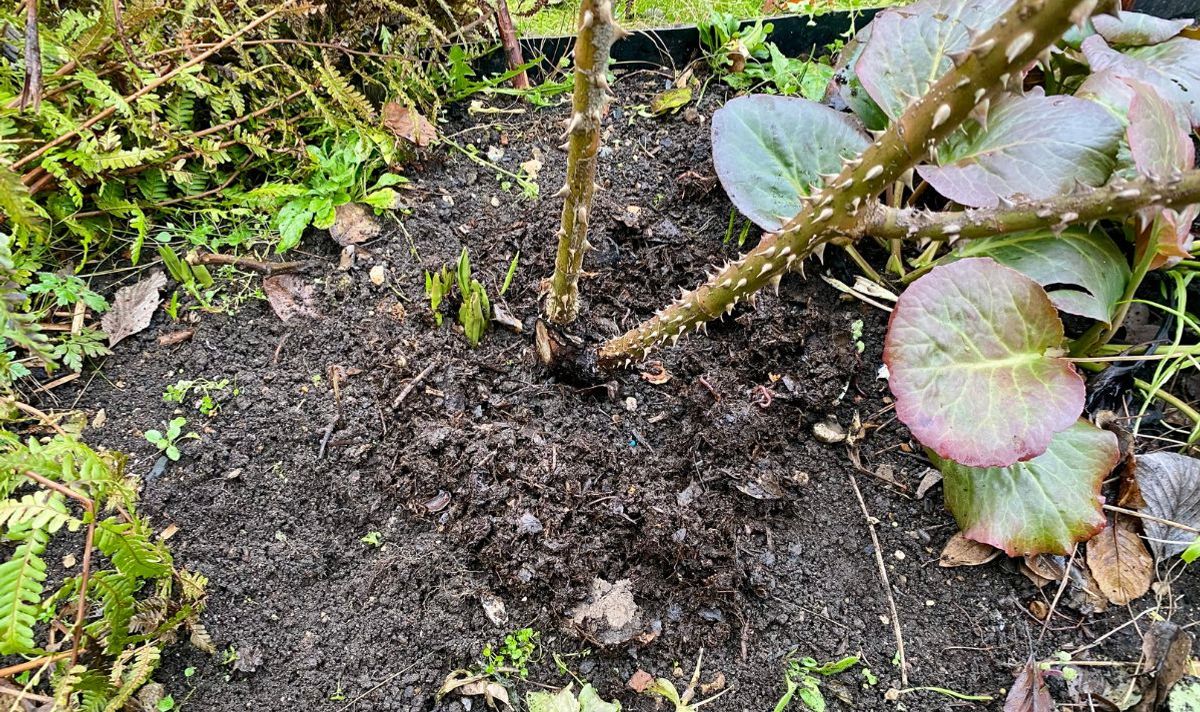
To mulch the plants, I spread a two-inch layer of garden compost around them
The horticultural expert noted that regarding mulching, “the same rules apply”. His guidance states: “Use a well-rotted organic material such as mushroom compost, garden compost or bark chips (we use pine bark on the grass borders for a little extra acidity) and be generous with it.
“Spread the mulch around all existing plants at least two inches thick, and twice that is twice as good. In principle, the thicker the mulch is, the better it will do its work, so it is more effective to mulch half the garden every other year well than all of it annually but inadequately.”
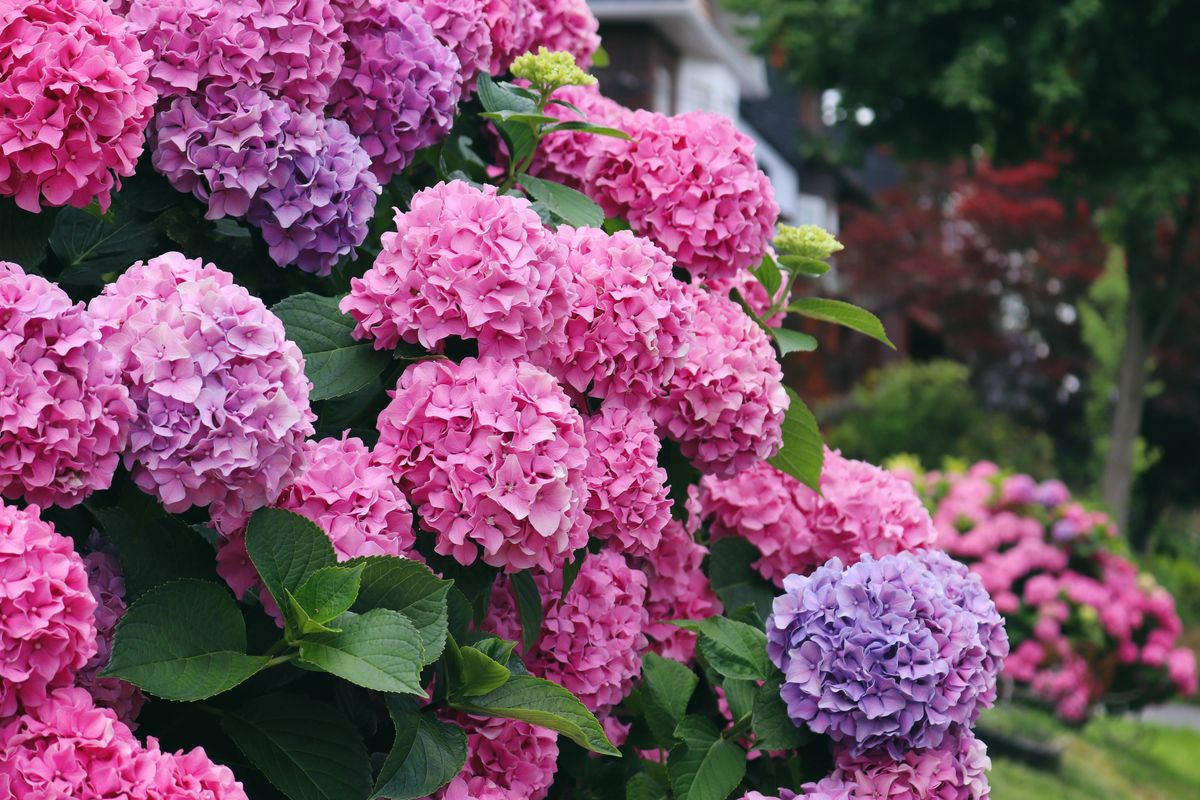
Monty Don’s 1 easy January task for hydrangeas and roses – it only took me 5 minutes(Image: Katrin Ray Shumakov via Getty Images)
For mulching my roses and hydrangeas, I plumped for garden compost. Into my garden compost heap goes all manner of bits like fruit and veg peelings, tea bags, grass clippings and various other garden scraps that’ll break down nicely.
The cardinal sin of mulching to dodge this January is laying it down when the earth’s either rock-solid with frost or drowning in moisture.
Whilst I did spread my mulch when the soil had a bit of dampness, it certainly wasn’t sodden, and conditions were reasonably temperate.
When mulching the plants, I kicked off by clearing away any annoying weeds sprouting nearby, then laid down the garden compost in a two-inch-deep layer.
Comments are closed.