
January often brings the initial signs of new growth, offering a much-needed boost of early inspiration to venture out into the garden. If you’re like me and haven’t got round to tackling most of the much-needed January gardening jobs, Monty Don’s ever-so-simple task is the one to prioritise – it took me no more than five minutes.
The gardening guru claimed that when you mulch, “the same rules apply”. He instructed: “Use a well-rotted organic material such as mushroom compost, garden compost or bark chips (we use pine bark on the grass borders for a little extra acidity) and be generous with it.
“Spread the mulch around all existing plants at least two inches thick, and twice that is twice as good.
“In principle, the thicker the mulch is, the better it will do its work, so it is more effective to mulch half the garden every other year well than all of it annually but inadequately.”
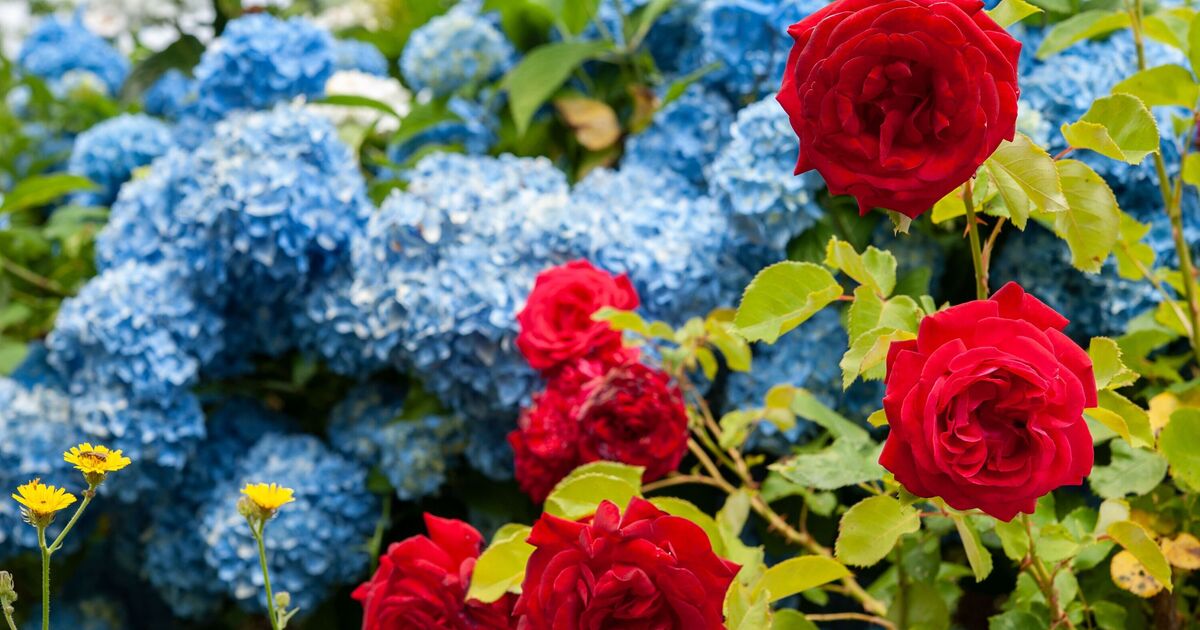
To mulch my roses and hydrangeas, I opted for using homemade garden compost. To my garden compost, I add a whole host of things like fruit and vegetable peels, tea bags, grass cuttings and other garden waste items that are compostable.
The biggest mulching mistake to avoid in January is applying the material when the ground is either frozen or saturated with water.
While I did apply the mulch to my plants when the soil was wet, it wasn’t waterlogged, and the temperature was mild.
To mulch the plants, I started by removing pesky weeds growing around them before spreading the garden compost in a layer two inches thick.
Comments are closed.