
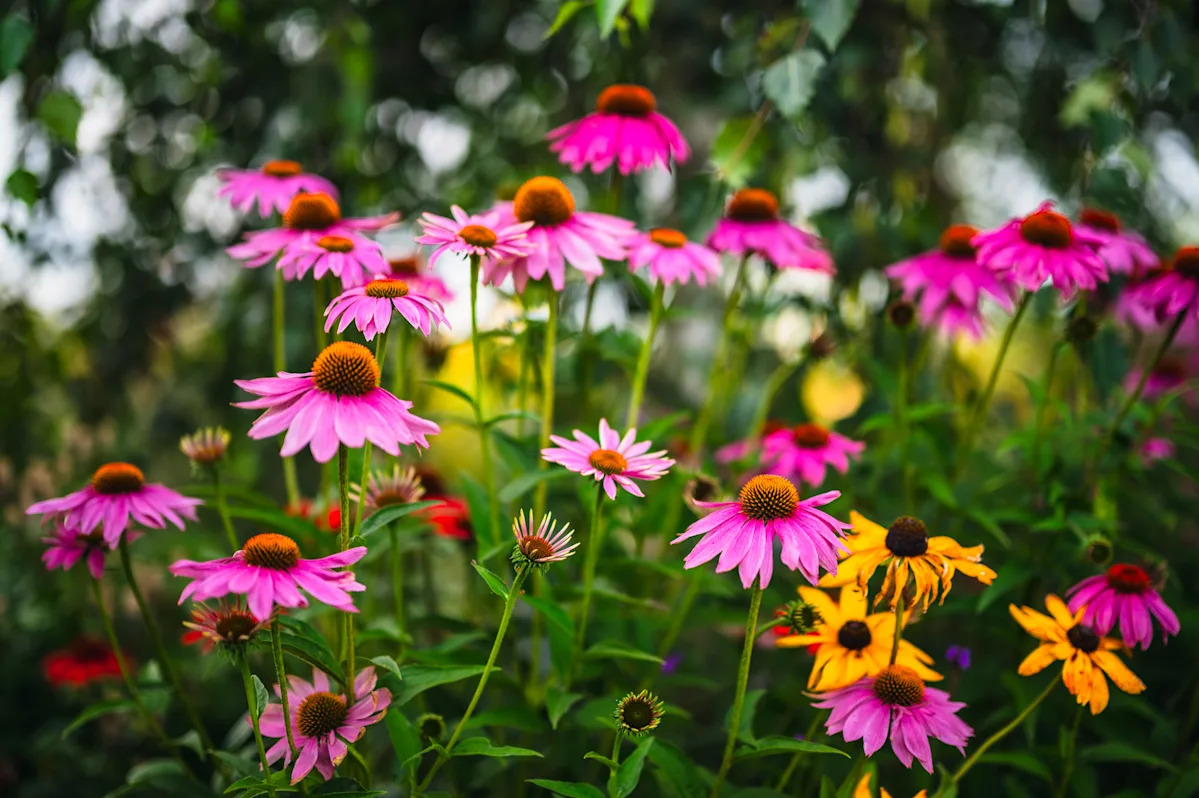
When life gets busy, the garden is often the first thing to fall behind. Watering gets skipped, weeding waits another weekend, and suddenly everything feels like too much. That’s why the flowers I rely on most are the ones that don’t need constant attention to look good.
These flowers are a natural fit for this reason. They’re resilient, adaptable, and perfectly capable of growing without much assistance. Once established, many of these plants will thrive with little more than sun, occasional water, and space to do their thing. Along the way, they bring in bees, butterflies, and other pollinators, adding movement and life to the garden without extra work.
If you want a garden that keeps showing up even when you can’t, choosing the right plants makes all the difference. These low-maintenance flowers are some of the easiest to grow, some returning year after year and filling the space with color even when you don’t have time to keep up.
Coneflower (Echinacea)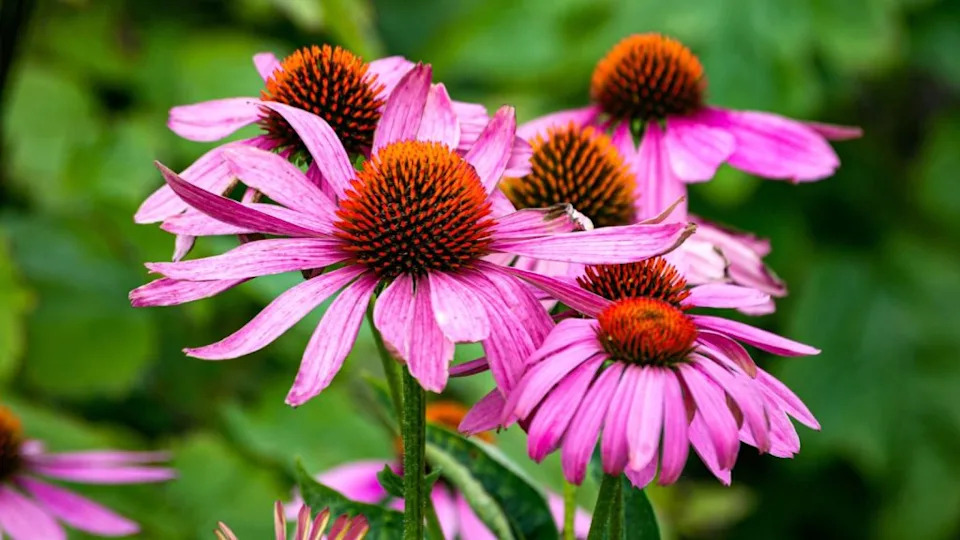
Image Credit: Deposit Photos
Coneflowers are bright, bold perennials that are native to North America. They’ve adapted to survive tough winters by going dormant and storing energy in their strong root systems. Most varieties are hardy in USDA zones 3–9, prefer full sun, and well-drained soil.
Once established, they require very little maintenance, aside from occasional watering. In late fall, you can leave the seed heads for winter appeal and bird food, or trim them back to tidy things up. Either way, they’ll be back once conditions become favorable again.
Black Eyed Susan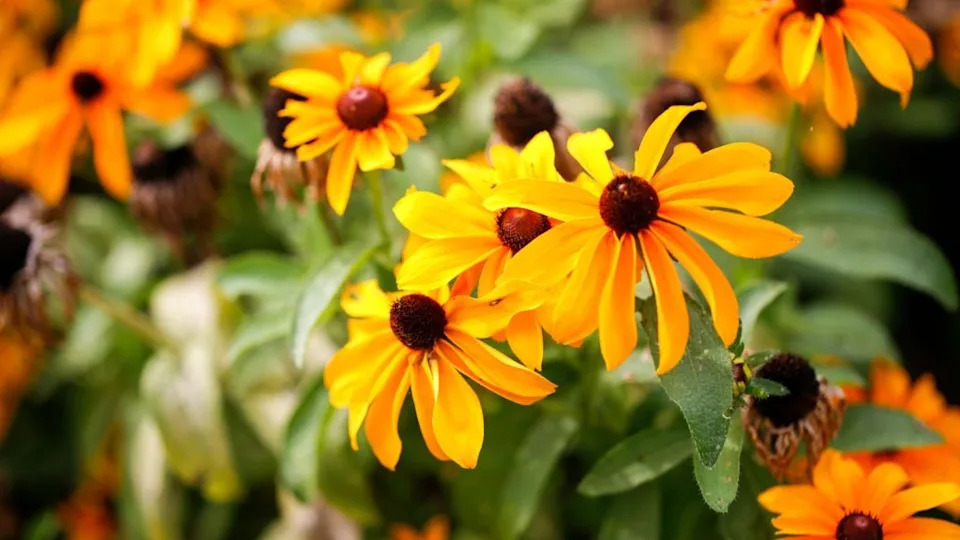
Image Credit: Deposit Photos
Black-eyed Susans are a garden classic because of their cheery yellow petals and dark centers. They’re drought-tolerant, heat-tolerant, and also cold-tolerant. These perennials die back in winter but reliably return in spring, especially in USDA zones 3-9.
Give them full sun and average soil, and they’ll bloom from summer through fall. You can cut them back after flowering or leave them standing for winter interest. They self-seed easily, so expect a few bonus plants next year.
Nasturtium (Tropaeolum Majus)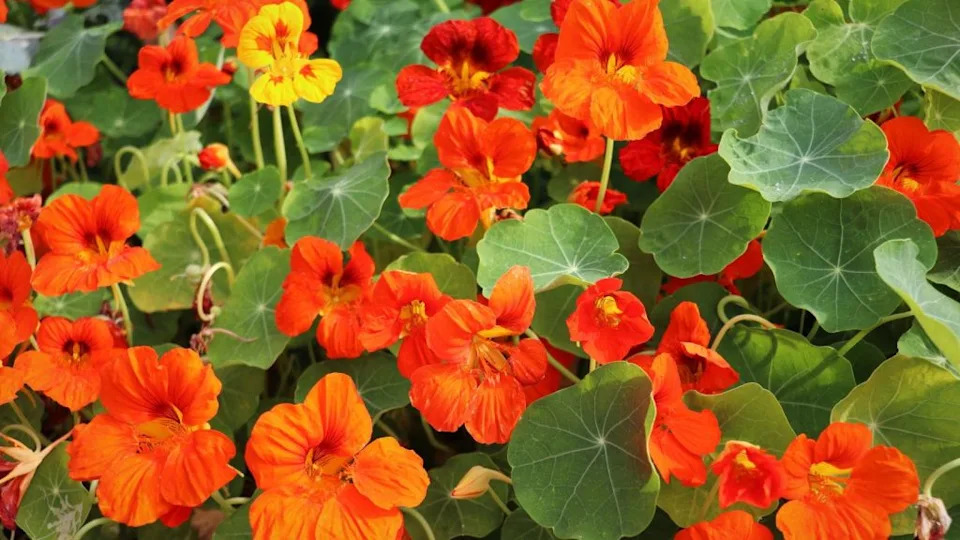
Image Credit: Deposit Photos
Nasturtiums are known for their trailing growth and bright green leaves complemented by orange, yellow, and red flowers.
They are incredibly easy to grow from seed – sow directly in the ground. They germinate in 7–10 days and flower in 6–8 weeks. Thriving in full sun or partial shade, they tolerate drought and poor soil.
Cosmos (Cosmos Bipinnatus)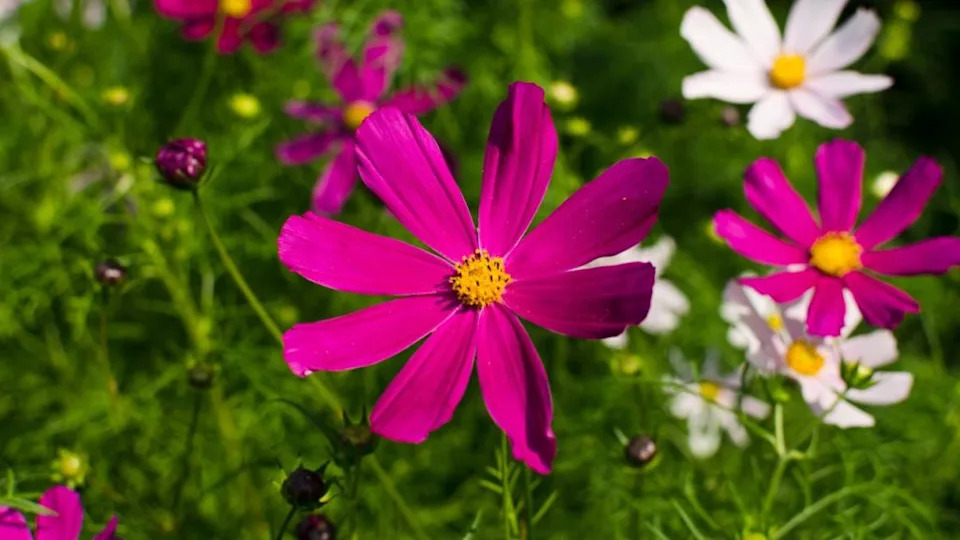
Image Credit: Deposit Photos
Cosmos are celebrated for their daisy-like flowers and bushy foliage, bringing life and color from summer to fall. Cosmos germinates in 5–7 days and flowers in approximately 7 weeks.
They prefer sunny spots and well-drained soil, with minimal watering once established. The variety of colors—pink, white, red, orange, and purple—ensures a match for any garden theme.
Hydrangea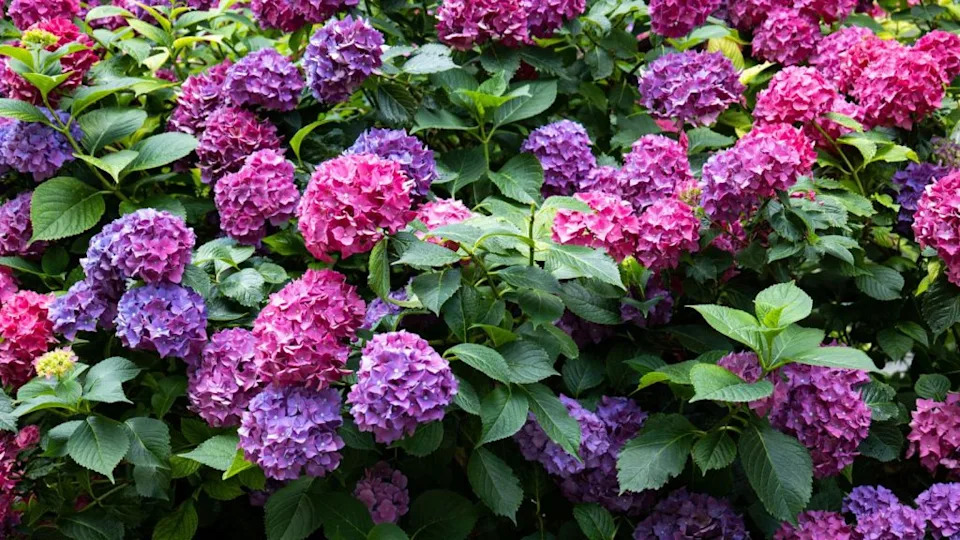
Image Credit: Deposit Photos
Hydrangeas are famous for their large, colorful blooms and demand attention from summer into fall. They thrive in zones 5-9, favoring part shade and moist, well-drained soil. Their flowers, available in hues of blue, pink, white, and purple, require regular watering.
Zinnias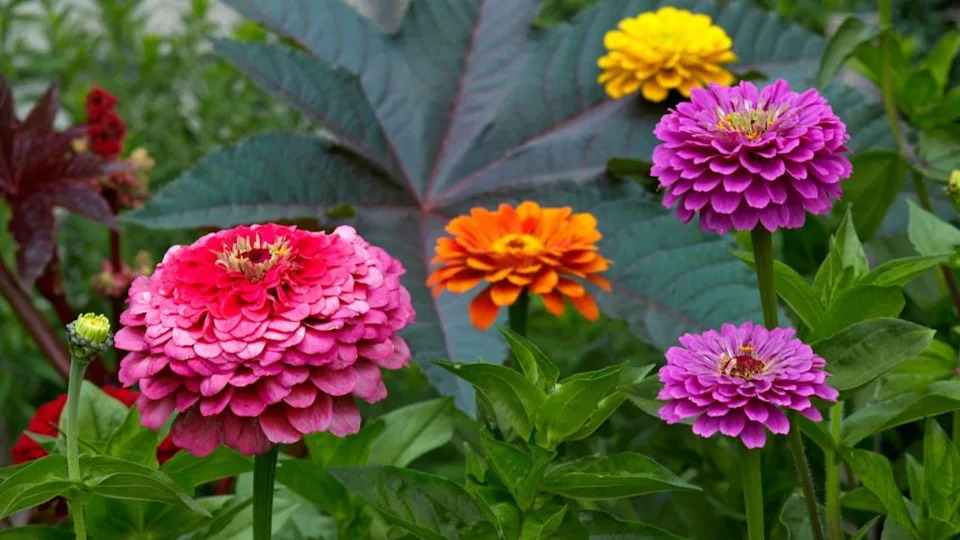
Image Credit: Deposit Photos
Zinnias are a delight in any bee-friendly garden, thanks to their easy-to-grow nature and ability to bloom throughout the summer. These vibrant flowers provide a continuous source of nectar for bees and add a lively splash of color to the landscape.
Yarrow (Achillea Millefolium)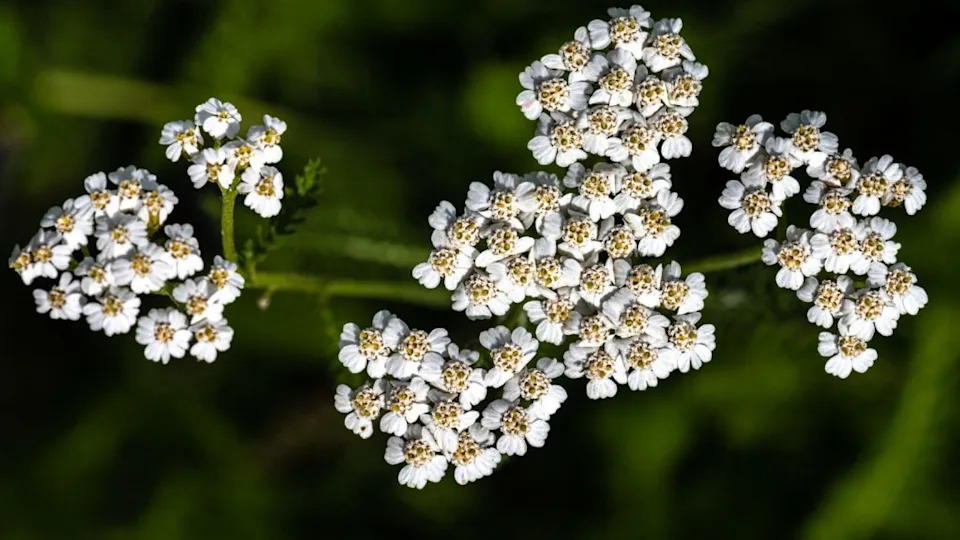
Image Credit: Deposit Photos
Yarrow is celebrated for its drought tolerance and ability to thrive in full sunlight. It produces clusters of small, flat-topped flowers in various colors, adding a beautiful, resilient element to any garden. Zones 3-9
Peony (Paeonia)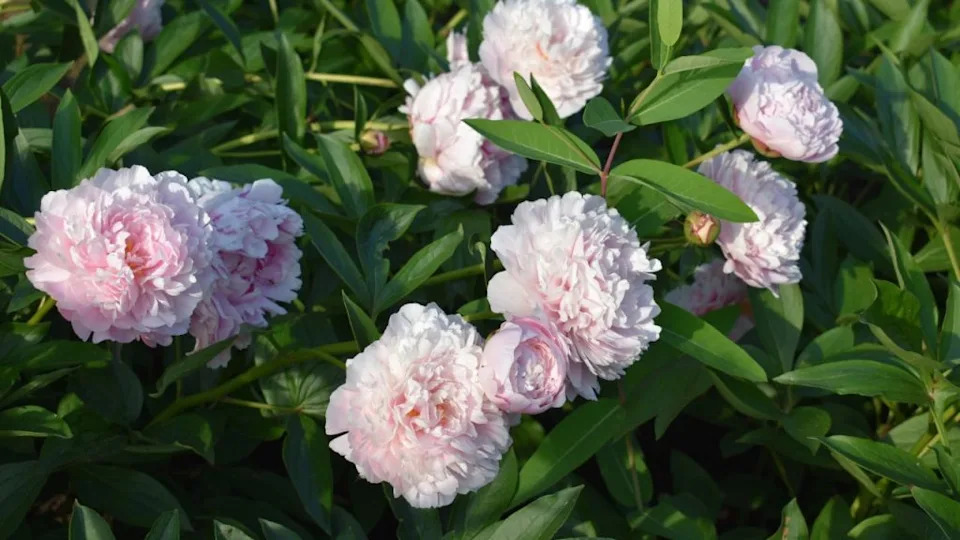
Image Credit: Deposit Photos
Peonies don’t mind cold winters and can produce flowers for decades. In fact, they need it to bloom their best. They retreat underground in the fall and reemerge in the spring with a flourish.
Plant them in USDA zones 3–8, full sun with rich, well-drained soil, and give them space to breathe. Don’t bury the crown too deeply when planting; that’s one of the few things they won’t forgive.
Hosta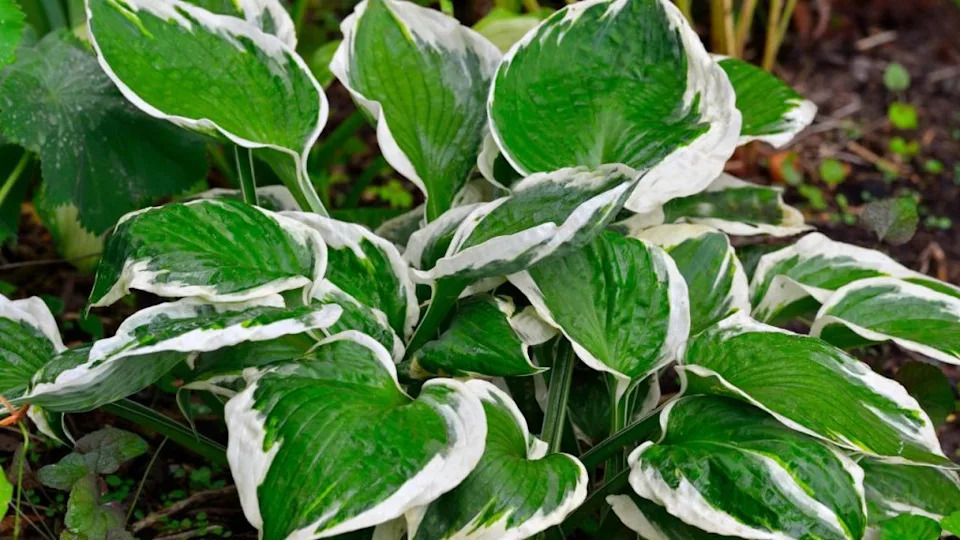
Image Credit: Deposit Photos
Hostas may not produce showy flowers, but their colorful leaves help brighten up shady spots. They’re cold-hardy plants that die back completely in winter and regrow from their crown in spring.
They prefer to grow in USDA zones 3–8, partial to full shade, and moist, well-drained soil. Keep an eye out for slugs during the growing season, and apply mulch in the fall to insulate the roots.
Bee Balm (Monarda)
If you want a pollinator magnet that stands tall even after frost, bee balm is a winner. With fragrant leaves and vibrant summer blooms, it survives winters in zones 3–9. Full sun is best, though it can handle part shade.
Bee balm can be prone to powdery mildew, so space it well and cut it back in late fall or early winter. It will spread — but that’s just more flowers for you and the bees next year.
Goldenrod (Solidago spp.)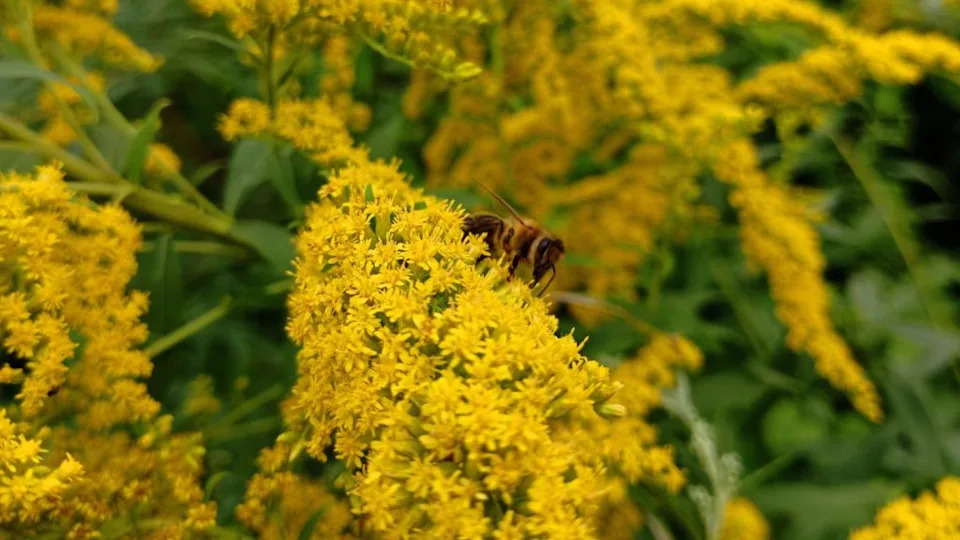
Image Credit: Deposit Photos
Goldenrod flowers in late summer, offering a spectacular display of gold that attracts an array of pollinators. This plant is a robust addition to any garden, thriving in a wide range of conditions and supporting local wildlife.
Comments are closed.