
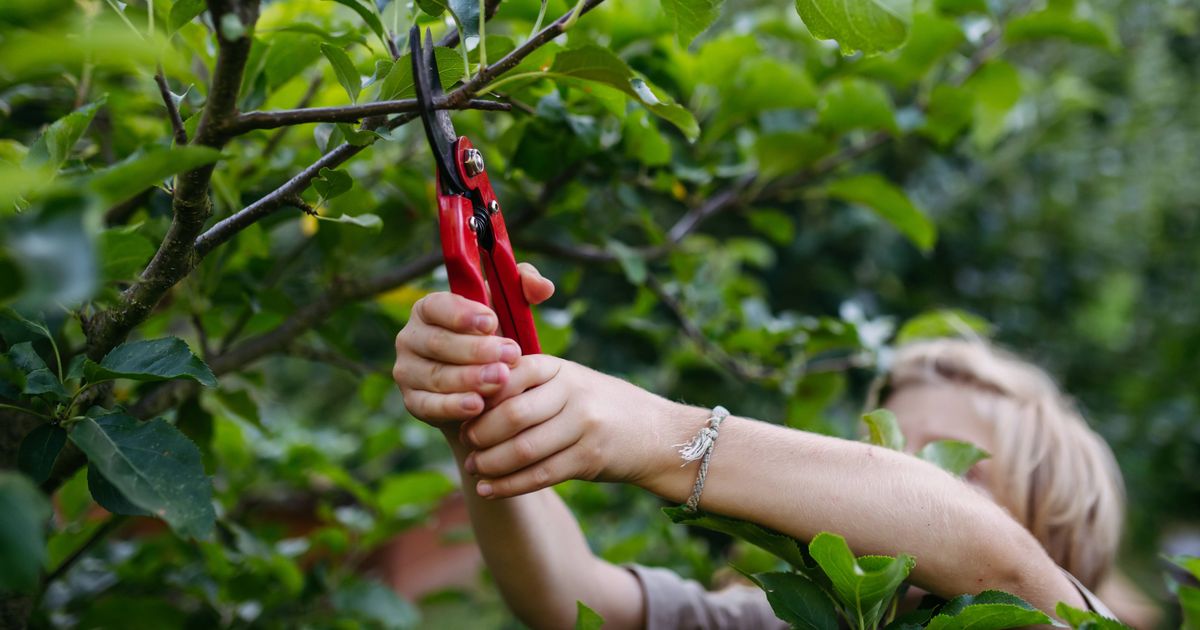
Pruning is an important job throughout the year, but some popular garden plants should never be trimmed in winter or you risk wiping out their summer blooms entirely
Sophie Harris Senior Lifestyle Reporter
16:22, 28 Jan 2026
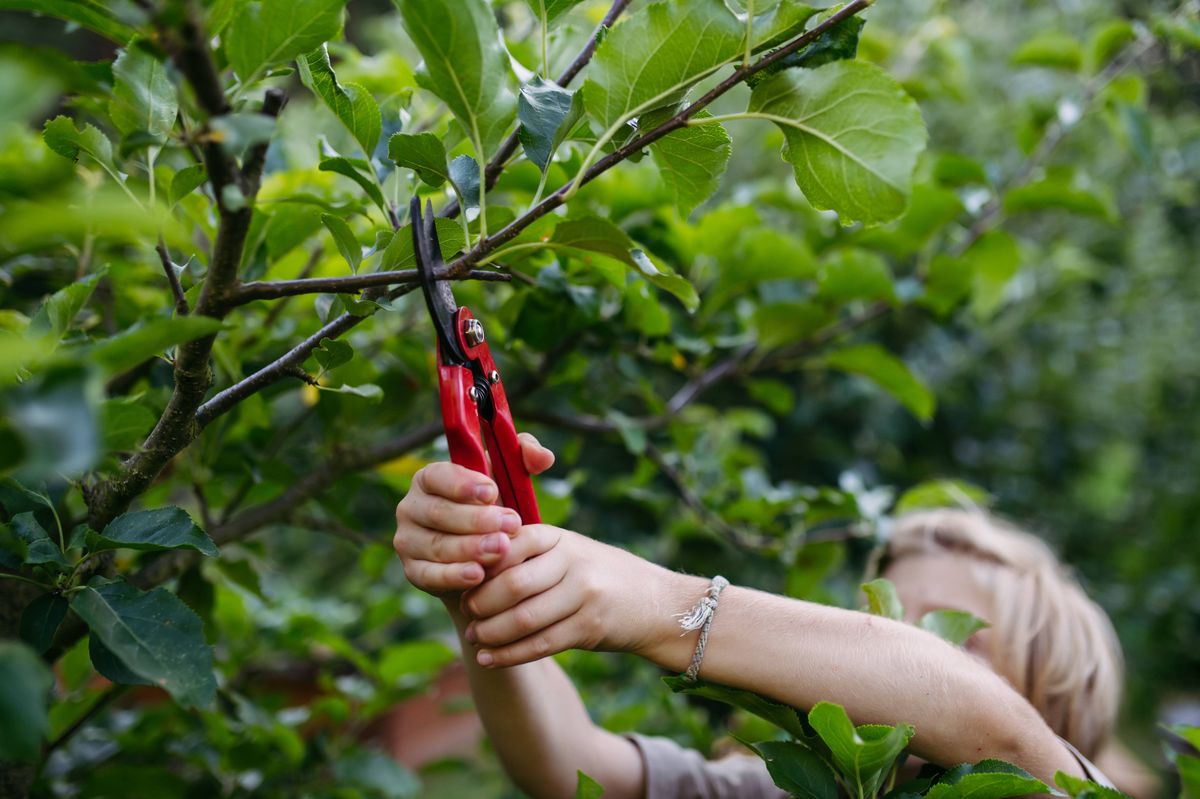
Garden plants to never prune in January or risk wiping out summer blooms(Image: Halfpoint Images via Getty Images)
Pruning remains a crucial gardening task throughout the year, with numerous plants requiring attention in January. This practice helps maintain plants in optimal condition and prevents disease.
However, not every plant requires pruning, making it essential to understand your specific varieties. Incorrect timing or excessive cutting could prove fatal to plants.
Whilst many plants benefit from pruning during their dormant period, certain popular varieties should never be trimmed during the winter months.
Colin Potts, gardening expert at Artificial Grass Direct, explained: “Winter is when good gardens are made or quietly ruined. The jobs people do now have a huge impact on how their garden looks and grows for the rest of the year.”
Although pruning represents an essential winter task, some of the most commonly grown garden plants must be left untouched during colder periods.
The expert explained: “Spring-flowering shrubs, including forsythia, lilac, camellia, rhododendron, azalea, magnolia and flowering currant, should not be pruned in winter, as they form their flower buds the previous year.”
“Cutting them back now removes those buds and results in little or no spring display.”
Hydrangeas represent another “frequent casualty” which should remain unpruned in January. The beloved mophead and lacecap varieties flower on old wood, meaning winter pruning can “wipe out summer blooms entirely”.
The expert advised: “In these cases, gardeners should limit winter work to removing only dead or damaged stems.”
Evergreen shrubs like laurel, box and holly should be left untouched during the winter months, as pruning in cold weather can result in browning.
Cutting them back at this time could also lead to frost damage and make them susceptible to disease, reports the Express.
The gardening expert explained: “These recover far better when pruned in late spring or summer.”
Colin went on to say: “Certain trees, including maple, birch, walnut and cherry, are also best left unpruned, as they can bleed sap heavily if cut during winter or early spring, weakening the tree and increasing the risk of infection.”
According to the expert, one of the “biggest mistakes” gardeners make is believing that winter pruning is suitable for all plants.
Colin cautioned that if a plant blooms early in the year, or if you’re uncertain about its variety, the safest approach is generally to leave it be.
Comments are closed.