
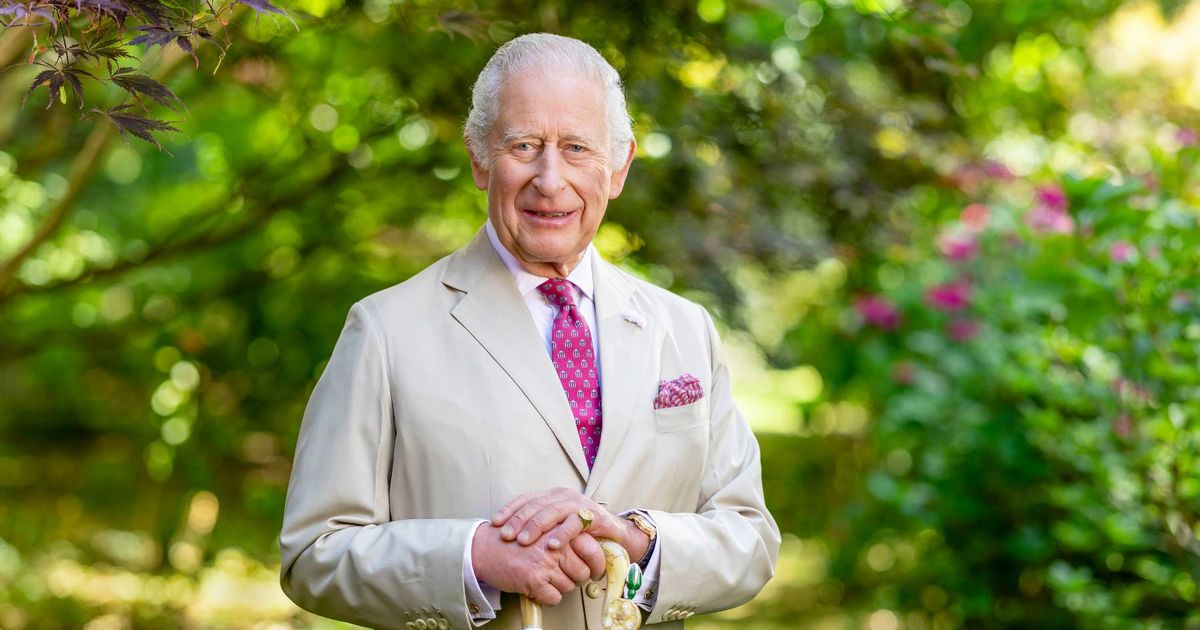
King Charles has enforced one striking rule at his Highgrove estate for decades – pesticides are never used. The gardens are maintained by a team of 11 gardeners working to organic and sustainable principles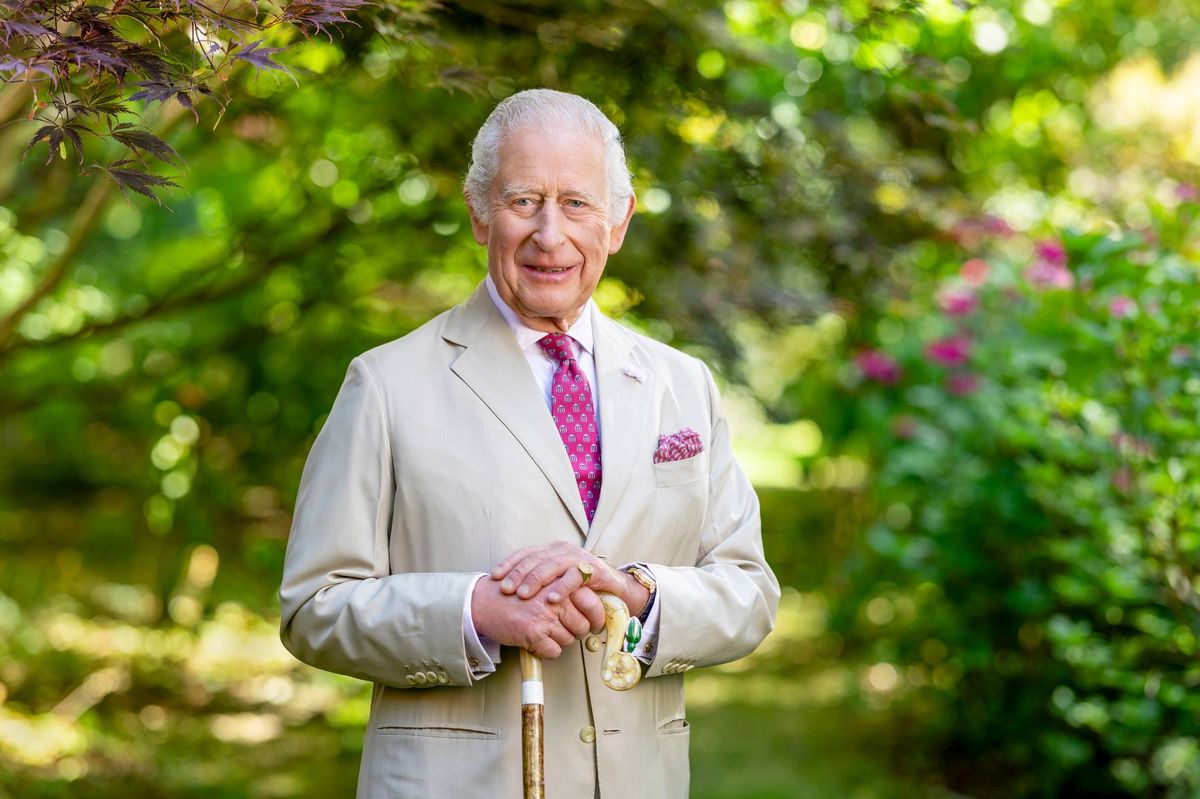
King Charles (Image: Millie Pilkington / Buckingham Palace)
King Charles’ philosophy that humanity should work with nature rather than control it is evident throughout his Highgrove gardens, where a remarkable policy has remained unchanged for decades: pesticides are completely banned.
This week, The i Paper toured the King’s gardens and King’s Foundation initiatives at the Gloucestershire estate, where Charles has been cultivating his concept of “harmony” with the natural environment since purchasing the property in 1980 whilst still Prince of Wales.
Today, a dedicated team of 11 gardeners, along with two apprentices, maintain the grounds, all adhering to principles founded on sustainability and environmental stewardship.
Chemical pesticides are entirely prohibited, with plants and soil nurtured through organic methods. Irrigation does not rely on mains water; instead, rainwater collected from the main residence sustains the flourishing walled kitchen garden, demonstrating a system built to reduce waste and optimise natural resources. Rather than pursuing perfection, gardeners allow nature to take its own course, embracing imperfections instead of correcting or removing them.
This philosophy extends to the estate’s trees. When branches fall or trees must be removed due to disease, the timber is repurposed rather than discarded. Trainees on the King’s Foundation Create programme use the wood to develop furniture-making skills, giving felled trees a renewed purpose. Oak and beech trees felled by storms have been relocated to a stumpery, where they now provide habitats for local wildlife.
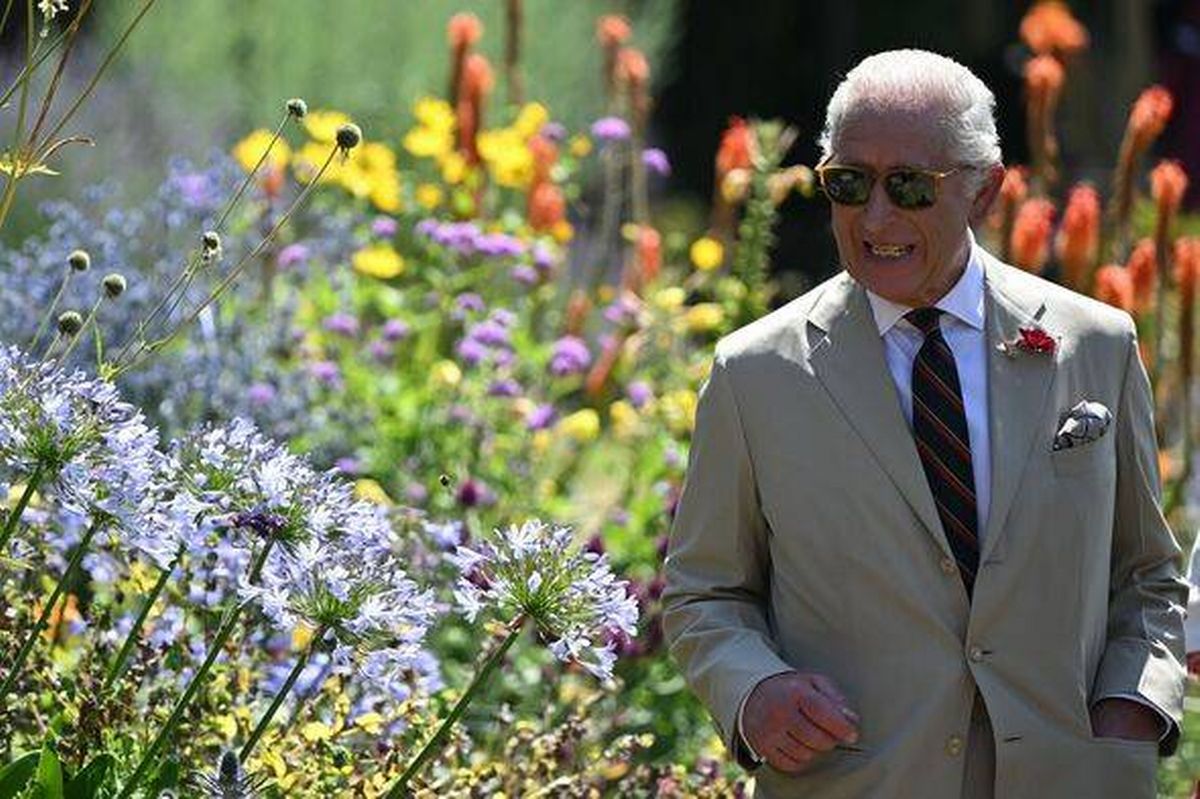
King Charles III(Image: Getty)
Adding a whimsical touch, the King has placed a garden gnome that he regularly moves throughout the grounds, nestled among woodland plantings and a nationally significant collection of 160 broadleaf hosta varieties.
Within the arboretum, visitors can see three Himalayan birches gifted by the late Queen Elizabeth II, displayed alongside the King’s collection of acers. Evidence of Charles’ personal involvement is scattered throughout, including low hurdles he crafted himself during the pandemic from hazel coppiced on the estate.
Throughout the gardens, weeds are allowed to flourish naturally unless they threaten to dominate, at which point they are selectively managed. The wildflower meadow is cut just once a year using traditional scythes, after which cattle and sheep are brought in to graze, helping preserve biodiversity.
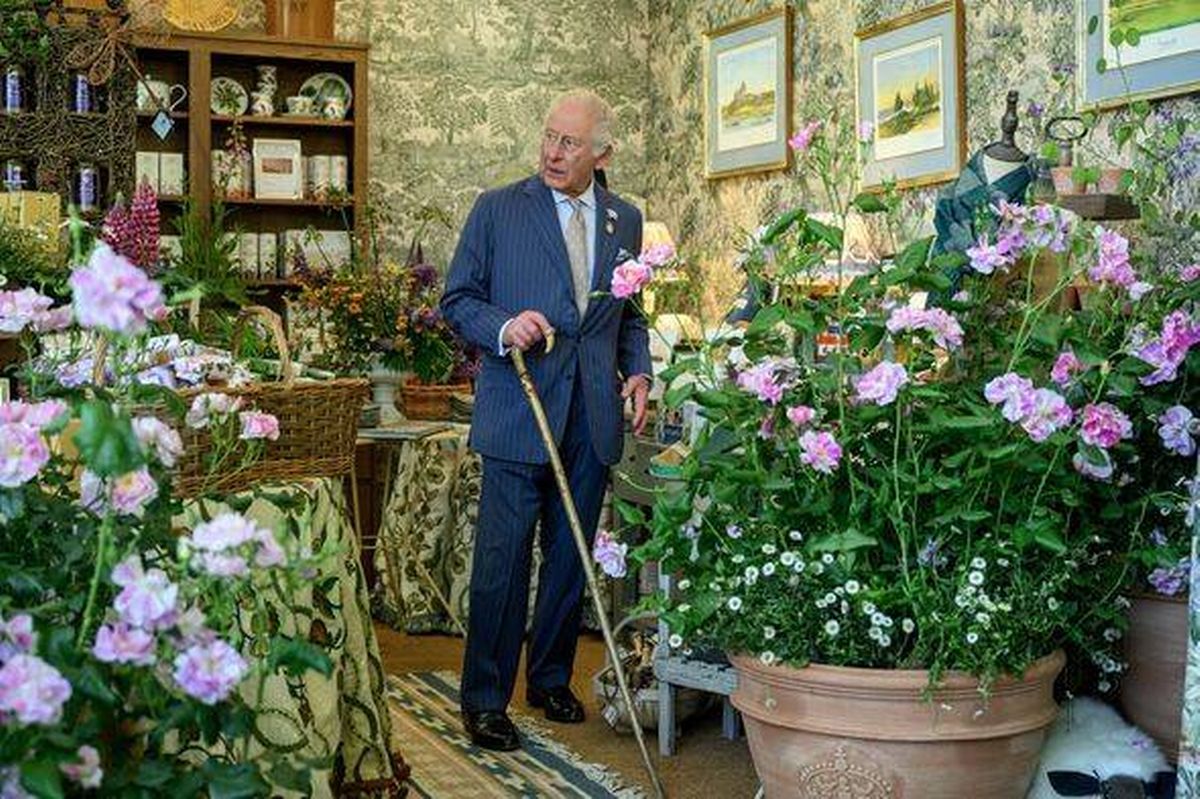
King Charles at Chelsea Flower Show 2025(Image: Getty)
Along the Thyme Walk, golden yew topiary demonstrates how structured planting can be softened over time. One topiary shaped like a wedding cake is gradually losing a tier, but it is being allowed to develop a more organic form.
The gardens reflect the central theme of the King’s upcoming Prime Video documentary, Finding Harmony: A King’s Vision, which encourages viewers to place nature at the centre of their daily lives. Narrated by Kate Winslet, the programme explores Charles’ decades-long commitment to environmental principles and aims to engage new, younger audiences.
Kristina Murrin, chief executive of the King’s Foundation, described the film’s message as urgent, telling The i Paper: “The earth is asking us to change our actions at the moment. And hopefully this film will inspire some people to do that.”
The documentary is set for worldwide release across 240 territories on 6 February.
Comments are closed.