
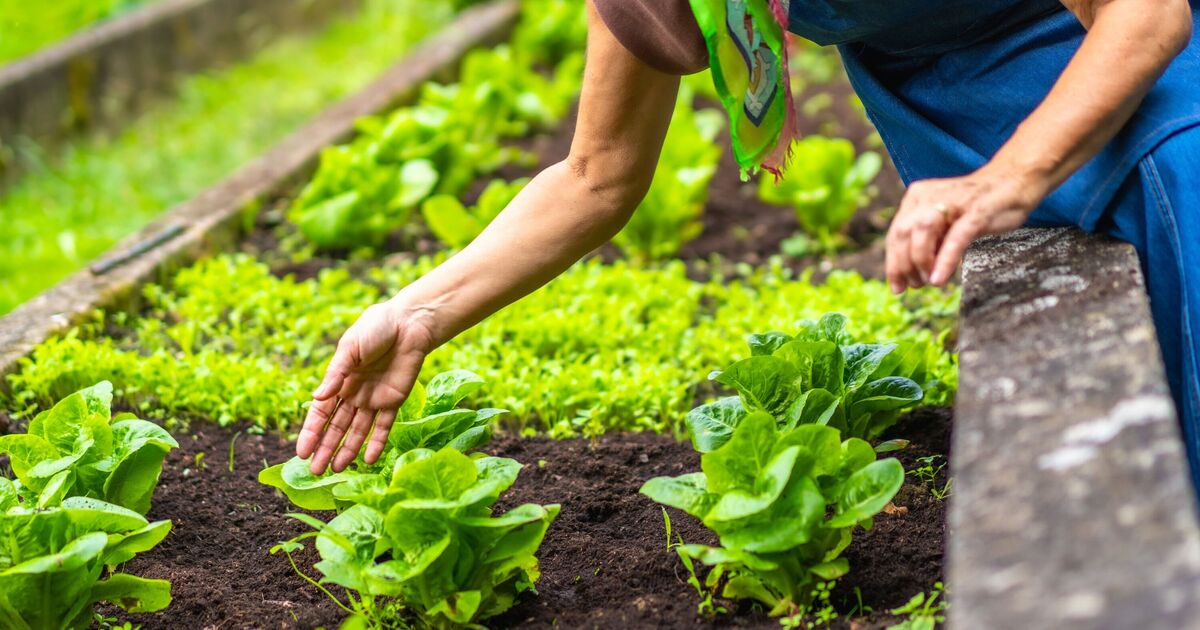
Spring planting season is right around the corner, and now is the perfect time to get prepared. If you’ve been thinking about starting up a vegetable garden, then there are some key things you need to know.
Growing your own food can save you money, and nothing tastes better than tomatoes you have picked straight from the garden. You might think you need fancy equipment and acres of space to grow vegetables, but Patrick Martin, horticulture and gardening expert at Frantoio Grove, a California-based olive farm says this isn’t always the case. Patrick has shared his top tips for home gardeners keen to get a garden started – and his first is to start small.
He said: “You’ll gain confidence as you see your first plants thrive, and you can always expand your garden in future seasons.”
Things like tomato, lettuce, herbs and radishes are great for beginners.
Radishes can be ready to harvest in as little as four weeks, and salad leaves mean you can have a continuous harvest throughout the growing season. These four plants give you a chance to get a taste of gardening, without having to invest too much time or money.
If you’re not lucky enough to have a large garden, it doesn’t mean you have to give up your dreams of your own vegetable patch. Container gardens are a great option for people with less space.
Patrick said: “You can grow everything from herbs and salad greens to tomatoes and peppers in pots.”
Just make sure you have pots with drainage holes and use potting compost rather than garden soil. For things like carrots and potatoes, you’ll need deeper pots but shallow ones are perfect for lettuce and herbs.
For a beautiful food garden, consider adding some flowers in with your vegetables. Not only will this look great, but it will also attract pollinators and in some cases, keep pests away.
Marigolds planted alongside tomatoes can deter aphids, while nasturtiums attract caterpillars away from brassicas like cabbage. Lavender and borage bring in bees, improving pollination rates for crops like courgettes and beans.
This companion planting strategy means your garden works harder for you while looking beautiful.
Comments are closed.