
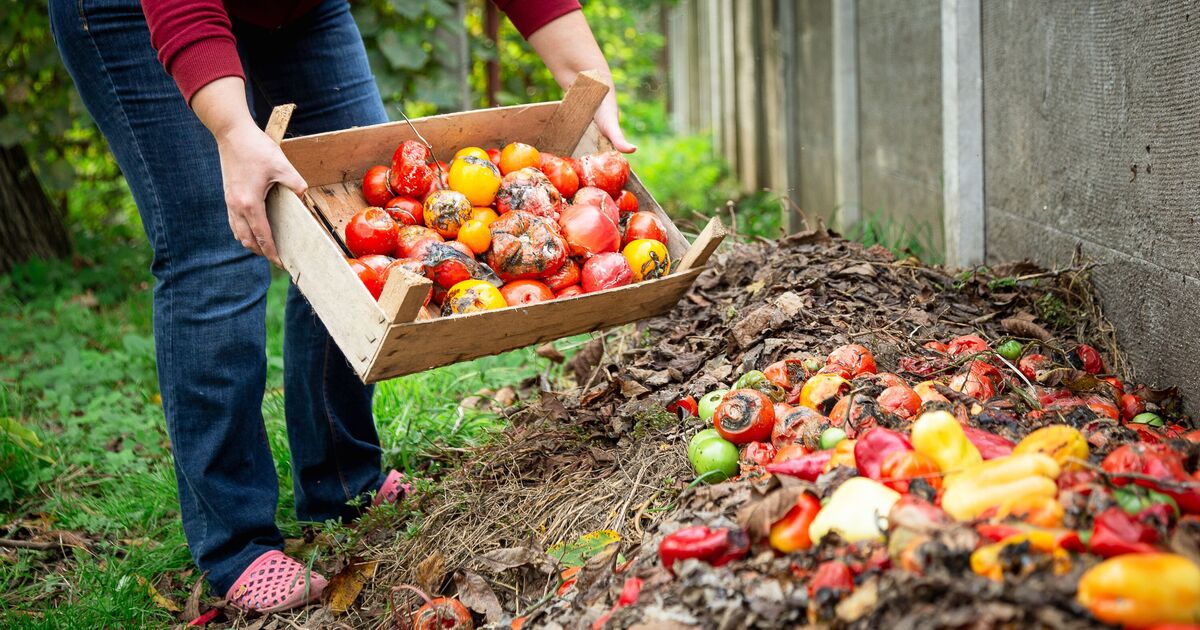
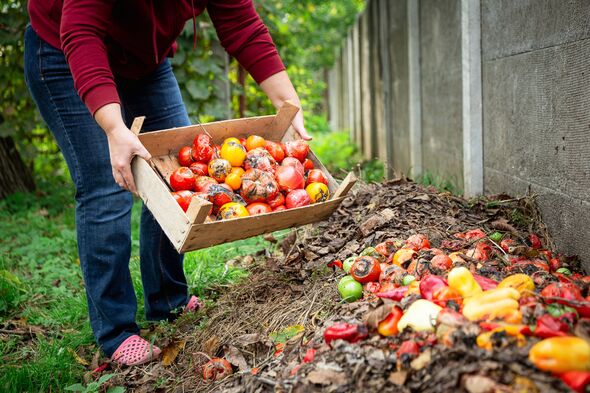
Creating garden gold with a well-managed compost heap is easy and fun (Image: Getty)
Composting at home is one of the simplest January upgrades you can make for your garden. It turns everyday peelings and prunings into a rich soil improver, helping you cut down what goes into the bin. Start now and, as the season turns, you’ll start to develop your own steady supply of compost to feed beds, borders and containers.
Choose your system
If you have space, a compost heap is worth it. Site it on bare soil or grass, in sun or light shade, so worms and other helpers can move in and get to work. A simple cover keeps heavy rain off and holds a little warmth in. For smaller gardens, a compost bin keeps things tidy and is easier to fit into a corner. Wooden bins breathe well, which supports composting, while lidded plastic bins hold in moisture and look neater. Tumbling bins are useful if you want to mix contents quickly, but they work best when you have enough material to keep the drum at least partly full.
Wormeries are another excellent option for winter, producing a fine, crumbly compost in a relatively small footprint. Keep them sheltered and out of hard frost, and feed little and often, rather than adding everything in one go.
What can you compost?
Think in terms of green and brown materials. Greens are nitrogen-rich, quick to break down and include vegetable peelings, coffee grounds and fresh leafy trimmings. Browns are carbon-rich, slower to rot, and include torn cardboard, scrunched paper, fallen leaves and small woody bits. Aim for roughly two parts brown to one part green, then adjust as you go. Cover fresh greens with browns to reduce smells and discourage pests. Don’t add meat, fish, dairy, nappies and pet waste, as they can attract rats and create nasty odours. For tea bags, check they are plastic-free before they go in.
Read more: With Storm Goretti blowing a gale, here are 5 tips for fabulous indoor plants
Read more: My top tip for brightening your winter lookout as the season starts to bite
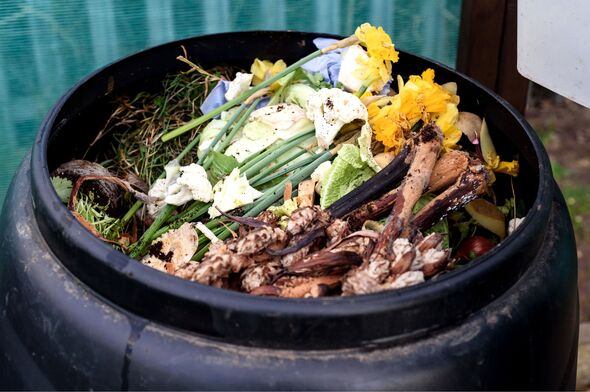
Vegetable peelings, coffee grounds and leaf trimmings all make great compost (Image: Getty / iStockphoto)Build it right
Start with a 10cm base layer of twiggy material or scrunched cardboard to help airflow and drainage. Add greens and browns in thin layers and chop bulky scraps smaller to speed things up. Compost should feel like a wrung-out sponge – damp, but not wet. If it’s dry, sprinkle water. If it’s soggy, add more browns and mix.
Winter tweaks
In January, composting is slower, so don’t worry if it feels cool. Turning once a month is plenty, and less is fine in cold spells. For fast results, build in bigger batches, insulate with cardboard, and keep a stash of shredded paper for balancing greens. If it smells sour, add browns and fork through for air. Compost is ready when it’s dark, crumbly and sweet-smelling, with no obvious scraps. Use finished home compost as a soil improver and mulch around plants, or to enrich borders and pots, but mix it with compost for seed sowing. Find out more in my ultimate guide to making compost on my YouTube channel, @daviddomoney.
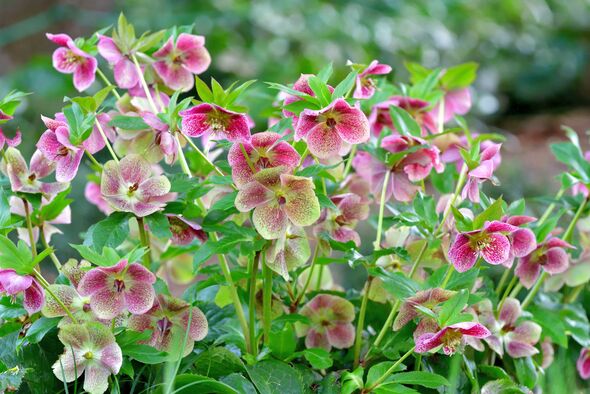
Helleborus niger, also called Christmas rose, Winter rose or Black hellebore (Image: Getty)Focus Plant: Hellebore
Helleborus, the hellebore, is a winter staple. Its plants form sturdy clumps of leathery foliage, and flowers can open midwinter onwards. The blooms are long-lasting too, often holding shape for weeks, even in cold, wet spells.
Hellebores suit areas of light shade where they get winter light before leaves return. They enjoy moisture-retentive, well-drained soil, so adding compost helps improve the ground and supports growth. Make sure heavy soil drains and pots aren’t sitting in water. With Helleborus × hybridus, removing a few older, tattered leaves at the base showcases the flowers and improves airflow. Use clean secateurs/pruners and take only what you need. If you are planting container-grown hellebores now, do it on a mild day when the soil is workable.
For winter whites near a doorway, Helleborus niger ‘HGC Jacob’ is a strong choice, while Helleborus × hybridus ‘Walberton’s Rosemary’ has pink tones. To learn more, head to my YouTube channel to see the latest episode of Step-by-Step Gardening @daviddomoney.
Fun fact: Many hellebores nod downwards which protects pollen, giving shelter to insects.

Clear moss and small weeds from between pavers on paths and patios (Image: Getty)Five jobs for the week
1 Tidy the bases of conifers by lifting away fallen needles, weeds and trapped leaves. This improves airflow and reduces damp pockets where pests and disease can linger. Check for bark damage at ground level, then finish with a thin mulch of composted bark, keeping it off the trunk.
2 Check shed roofs for lifted felt edges after windy weather. Resecure any loose sections on a dry day, using felt tacks or exterior adhesive, so rain cannot creep underneath. Work safely from a stable ladder, look for soft timber on corners, clear gutters, and make sure doors still close cleanly.
3 Inspect tree guards and ties, especially on newly planted young trees. Straighten guards that have blown askew, and loosen anything rubbing or starting to constrict the trunk. Firm the soil around wobbly stems, and replace missing stakes. If rabbits are active, check the guard still reaches high enough and is pegged down.
4 Collect windblown moss from paths, patios and greenhouse glazing where it becomes slippery and blocks light. Use a stiff brush, then compost the moss or keep it for lining hanging baskets and topping pots. Avoid stripping moss from walls or lawns as it’s a valuable habitat.
5 Assess shrub shapes while branches are bare. Stand back, spot crossing stems and lopsided growth, and make a note of what needs attention later. Check that shrubs are not rocking about in winter winds. Mark any problem branches with a soft tie for now, then make sure you prune at the correct time for that shrub.
Facebook – https://www.facebook.com/DavidDomoneyTV
Instagram – https://www.instagram.com/daviddomoney/
Pinterest – https://www.pinterest.co.uk/daviddomoney/overview/
TikTok – https://www.tiktok.com/@daviddomoney

Henry VII adopted the crowned hawthorn as a Tudor badge (Image: Getty)Did you know?
A “galanthophile” is a snowdrop enthusiast. Many collect named cultivars and travel across Britain to see huge collections of winter displays, sometimes with hundreds of different varieties in flower.
Henry VII adopted the crowned hawthorn as a Tudor badge. It links to the Bosworth legend that Richard III’s crown was found in a hawthorn bush and placed on Henry’s head, so the emblem became a symbol of victory and new rule.
Tomatoes can be “healthier” when cooked because heat makes lycopene, a natural red antioxidant pigment in tomatoes, easier for your body to absorb, so sauces, soups and purees can offer more nutrients than raw slices.
“Arbour” was first recorded around 1300 in English writing, linked to a herb garden, and later came to mean a shaded nook or bower made from intertwined plants. The spelling was then nudged towards “arbor”, the Latin for tree.
Comments are closed.