

Indoor plants are easiest to propagate when they’re actively growing in spring or summer. But if you’re looking for a fun winter project or need to salvage a broken stem or fading plant, you can potentially propagate houseplants in winter, too.
In this guide, you’ll discover 8 of the easiest houseplants to propagate during the winter months, plus a list of plants that are not good candidates for winter propagation because they don’t root well at this time of the year.
01 of 08
Pothos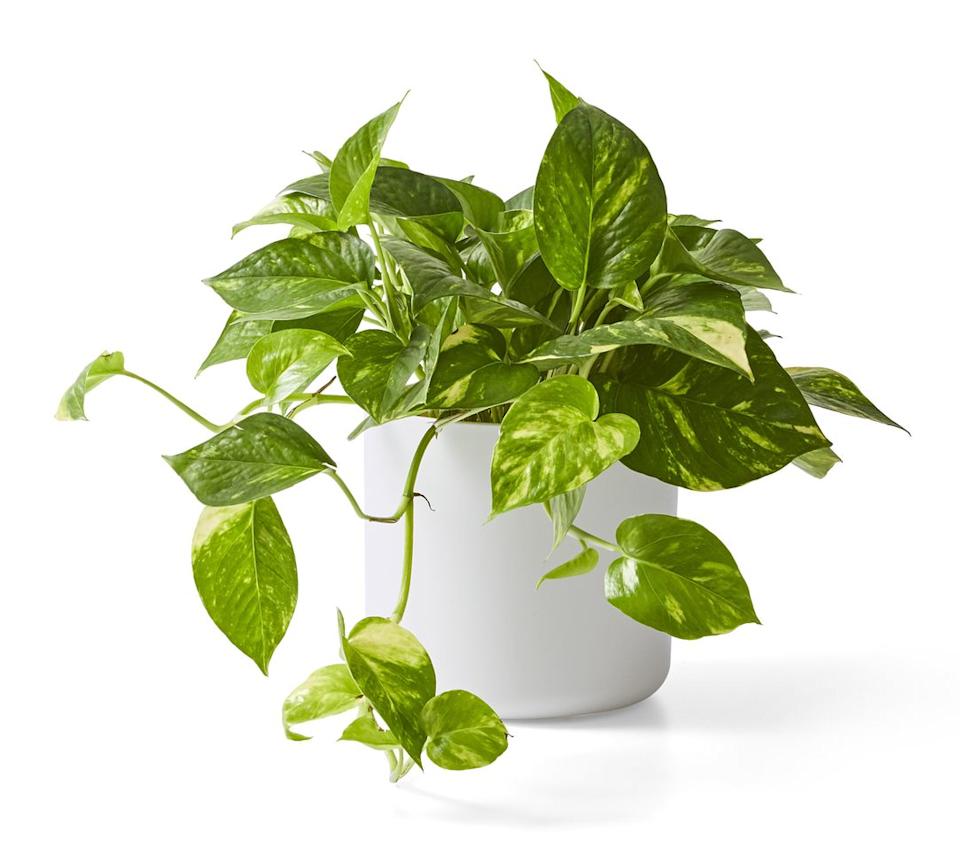
Marty Baldwin
Fast-growing pothos vines are particularly easy to propagate, and they readily sprout roots in both soil and water. Although these plants root best during the growing season, you can take plant clippings in winter if needed. Just keep in mind that pothos takes longer to root during the winter months, and rooted cuttings should be watered sparingly until they start to produce new growth in spring.
02 of 08
Philodendron
Jacob Fox
Generally, most philodendrons are easy to propagate; vining types of philodendrons sprout roots particularly fast. These plants grow roots in soil or water, just like pothos. Once they have developed sturdy roots, plant several cuttings together in the same pot to make them look fuller. If you’re new to plant propagation, try propagating varieties like the heartleaf or velvet-leaf philodendron first before moving on to philodendron species that are a little trickier to root.
03 of 08
Herbs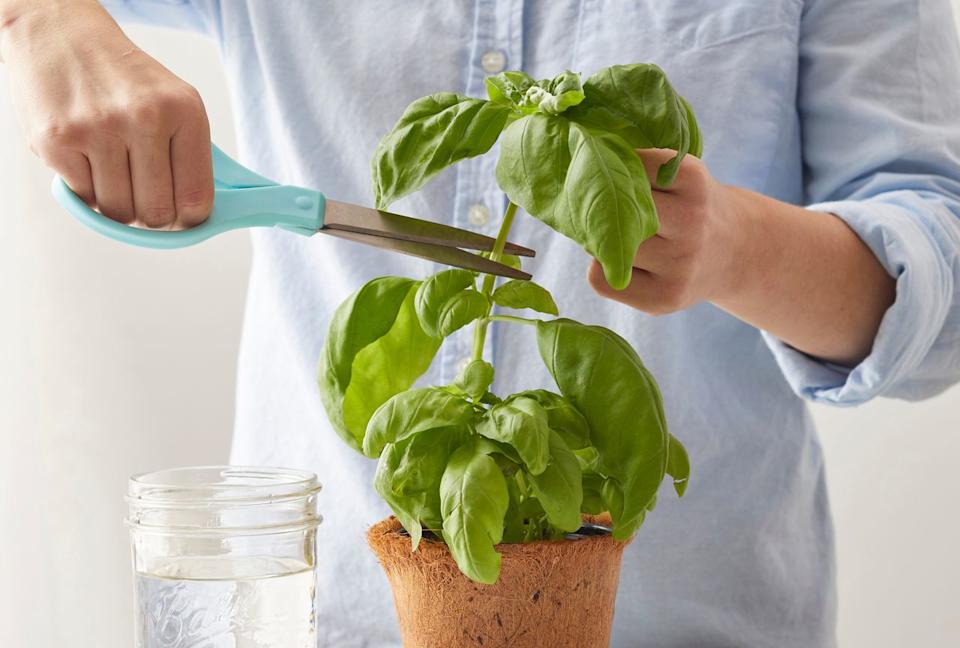
Many gardeners bring cuttings of their favorite culinary herbs indoors in winter to keep their plants alive and eliminate the need to buy new herbs in spring. While most herbs are relatively easy to propagate, tender-stemmed herbs like basil and mint usually sprout roots the fastest and root well in water. Woody-stemmed herbs like rosemary and lavender can also be propagated indoors, but they root best when the cuttings are dipped in rooting hormone and then planted in soil.
04 of 08
Inch Plant
Peter Krumhardt
Another vining plant that’s easy to root, inch plants come in purple and green varieties. In soil or water, these plants sprout roots in as little as 1 to 2 weeks, even in winter. Inch plants grow best in bright, indirect light; if exposed to too much sun, they develop faded leaves. If you’re propagating these plants in soil, placing a clear plastic bag over the cuttings and pot will raise humidity levels and help the cuttings root even faster.
05 of 08
Ivy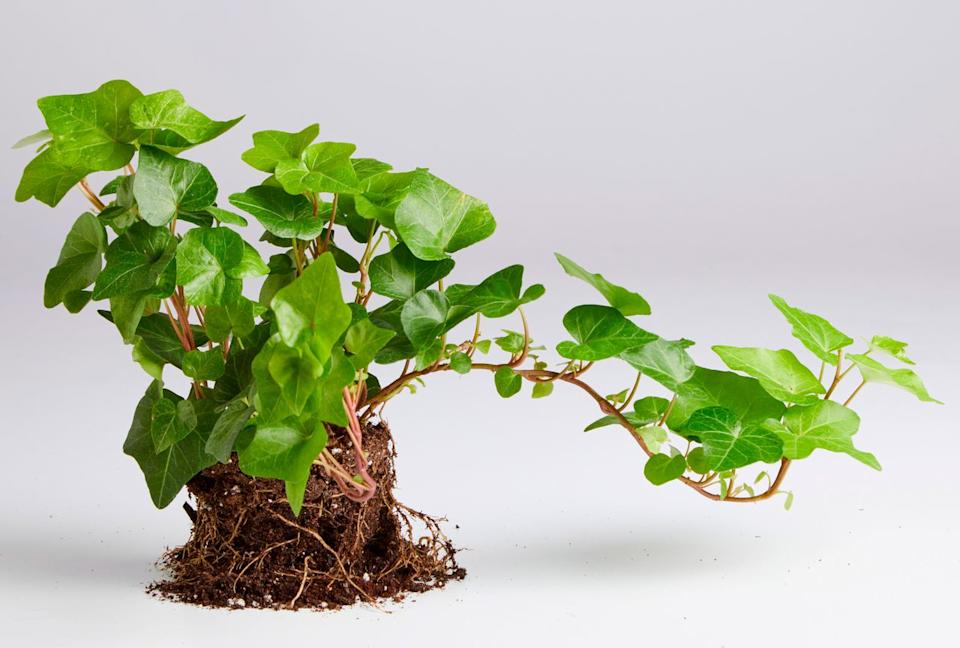
Many types of ivy are suitable for propagation in winter, including English ivy, Swedish ivy, and grape ivy. Using a sharp knife or pair of scissors, take cuttings below a leaf node and at least 3 to 4 inches long. Woody-stemmed ivy varieties usually root best in soil with the addition of rooting hormone, while tender-stemmed ivy varieties root a bit quicker in water.
06 of 08
Monstera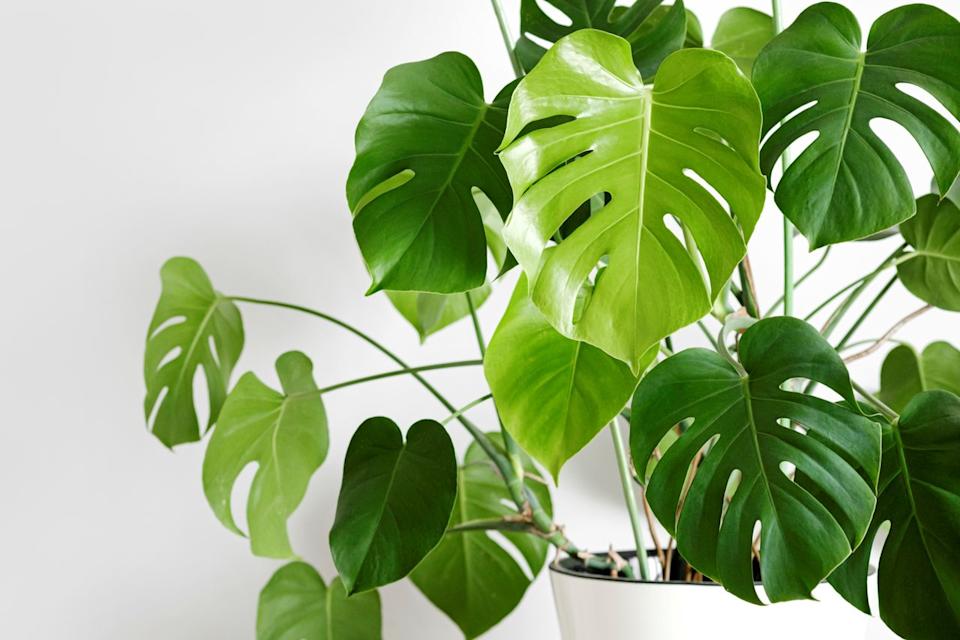
Kseniia Soloveva / Getty Images
Big and showy monstera plants have that “wow” factor and are often the stars of houseplant collections. Although these plants may look like divas, they are surprisingly easy to propagate and root in any season, including winter. They root in soil or water. Because monsteras grow large, plant rooted cuttings in roomy pots.
07 of 08
Spider Plant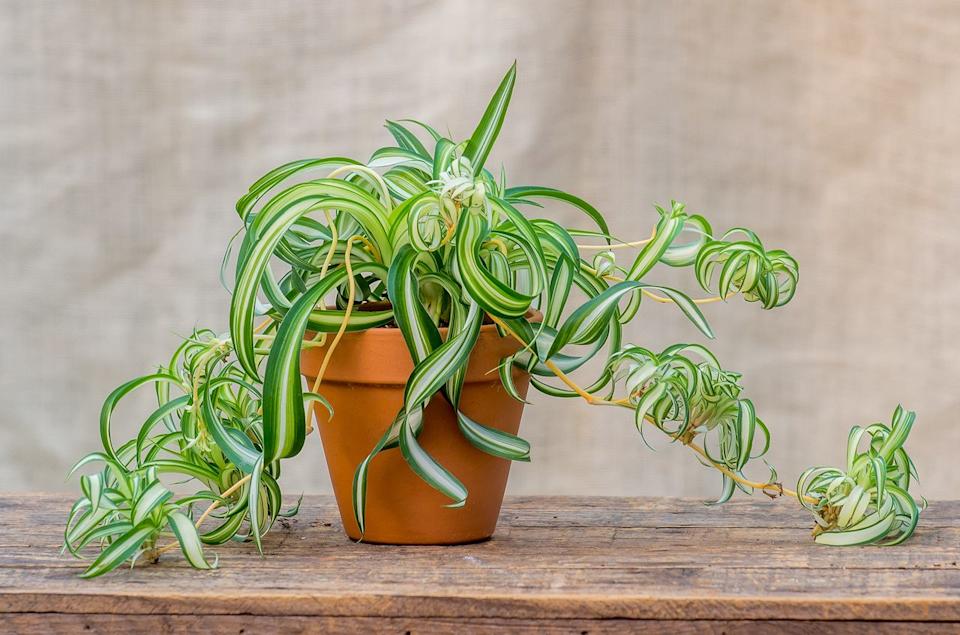
Robert Cardillo
Spider plants typically produce baby plants or “spiderettes” in spring or summer. But if they receive enough light, they may form plantlets in any season, which you can plant in their own pots before or after they’ve sprouted roots. Unlike with other houseplants, you should let the plant do the rooting. Leave spiderettes attached to the mother plant while they’re rooting, and only cut the stems free once the baby plants have formed a sturdy root system.
08 of 08
Mother of Millions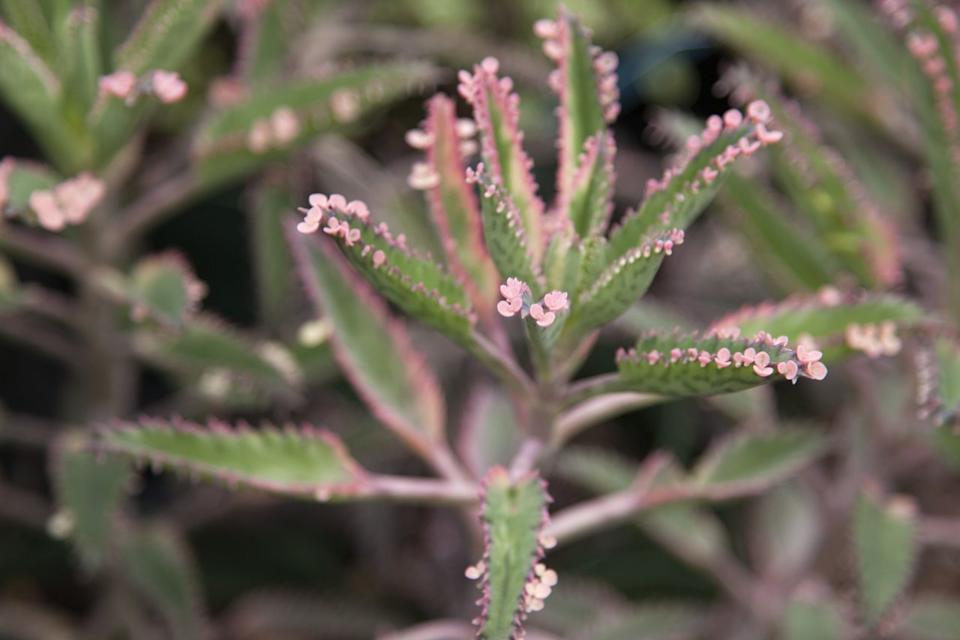
As the name suggests, it’s harder to get mother of millions not to propagate itself than it is to create new plants. These succulents drop tons of baby plantlets off the edges of their leaves throughout the year. Another way to propagate them is from stem or leaf cuttings. Just like propagating other succulents, cuttings from these plants should be allowed to callus for a few days and then planted in soil to avoid issues with rot.
5 Houseplants You Shouldn’t Propagate Now
Although any houseplant can potentially be propagated in winter, some plants naturally struggle at this time of the year and are much easier to propagate in other seasons. Propagating the following plants in winter isn’t recommended as it causes unnecessary stress to the parent plant or increases the risk that you’ll lose some or all of your cuttings to rot.
Snake plants enter a state of semi-dormancy in winter, which causes them to grow slowly and makes them more sensitive to moisture and rot.
ZZ plants also grow slowly during their winter dormancy, and cuttings taken at this time will often rot before they root.
Christmas cactus stems potentially root quickly in winter. However, if your plants are in bloom, it’s best not to propagate them, as flowering takes a lot of energy and may inhibit root formation.
Moth orchids flower in winter, too, and propagating them while they’re blooming stresses the parent plant more than it’s worth.
Elephant ears are more sensitive to moisture and rot during their winter dormancy.
Read the original article on Better Homes & Gardens
Comments are closed.